About Lehe
乐于心,和与众,与己乐,与人和; 心宽念纯,百病无生。

乐于心,和与众,与己乐,与人和; 心宽念纯,百病无生。


Ladies, what does late-stage breast cancer look like in your eyes?
How can a hard lump the size of a soybean be stage IV breast cancer, which is such a serious disease?
It's these two seemingly contradictory truths that expose the biggest misconception about breast cancer among the public.
And today's case, Ms. Wang, after experiencing the shock of being diagnosed with late-stage breast cancer, has reversed the condition and is now in her 5th year since diagnosis.

How can a "small lump" hide advanced cancer?
IV Stage IV breast cancer: What did she do right to achieve "five-year survival"?
How can ordinary patients learn from this approach?
Whether you are a health-conscious person or if you or a loved one is facing breast cancer, please be sure to read this article.
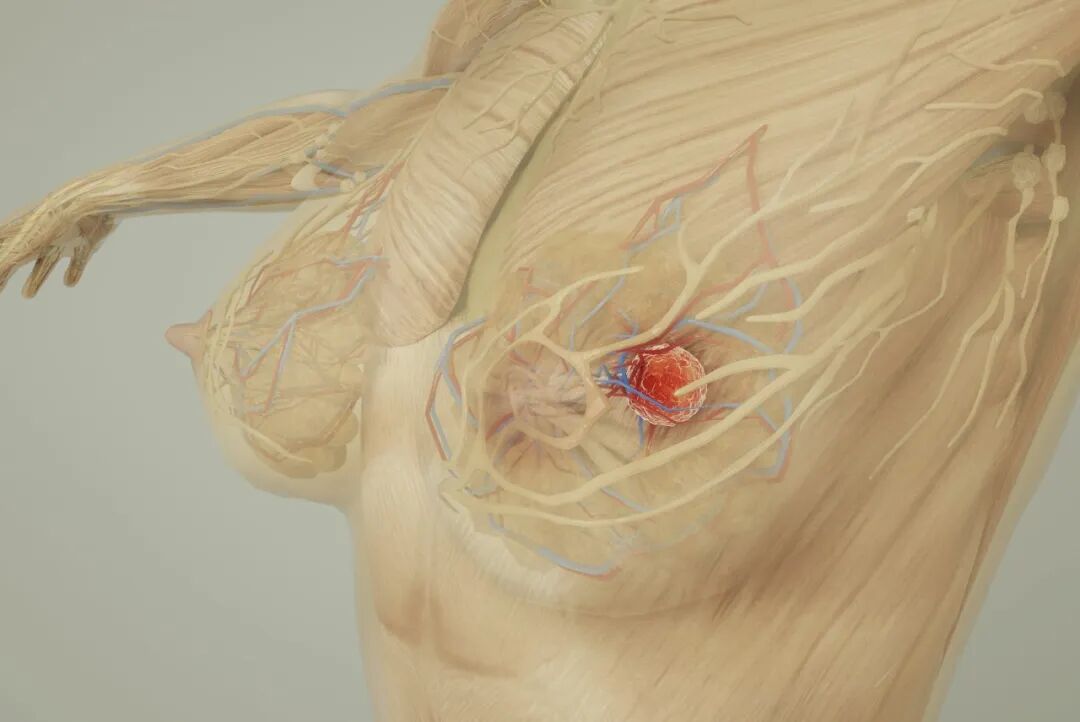
In 2021year8 month, Ms. Wang felt that the lump in her left breast had slightly grown larger, so she went to the hospital for a breast B ultrasound. The results indicated: a solid mass measuring 10x12x13mm at the 10 o'clock position in her left breast, with a BI-RADS 5 classification, highly suggestive of cancer, accompanied by suspicious metastatic lymph nodes in the axillary and internal mammary regions.
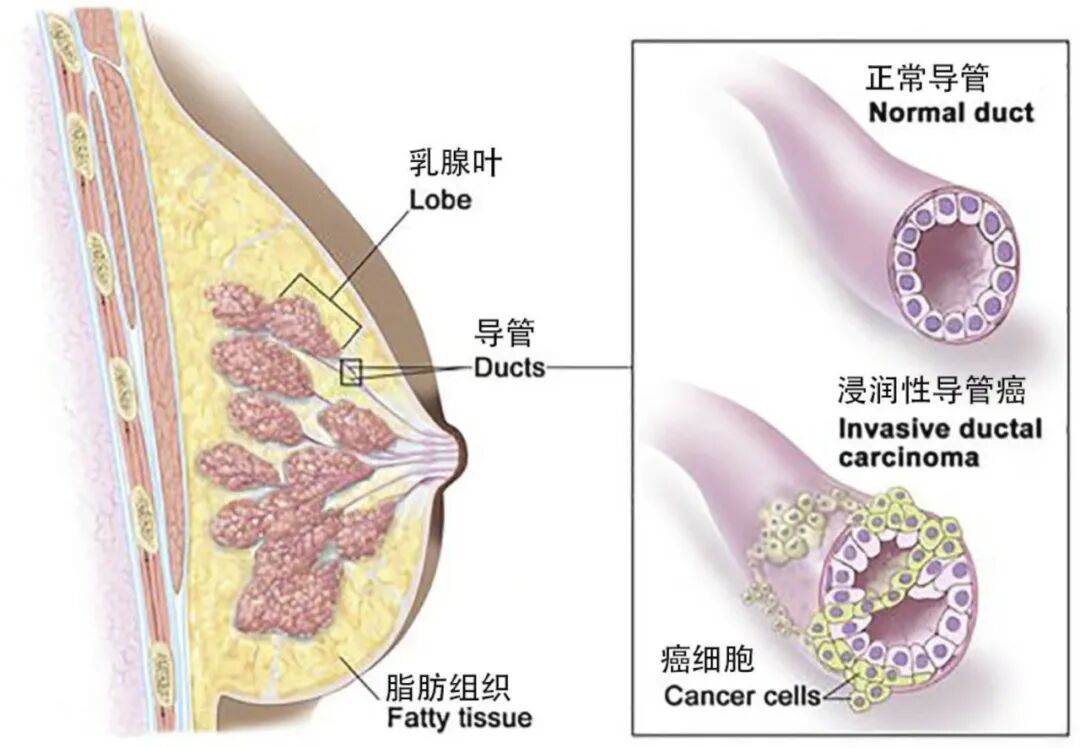
Biopsy revealed invasive ductal carcinoma.
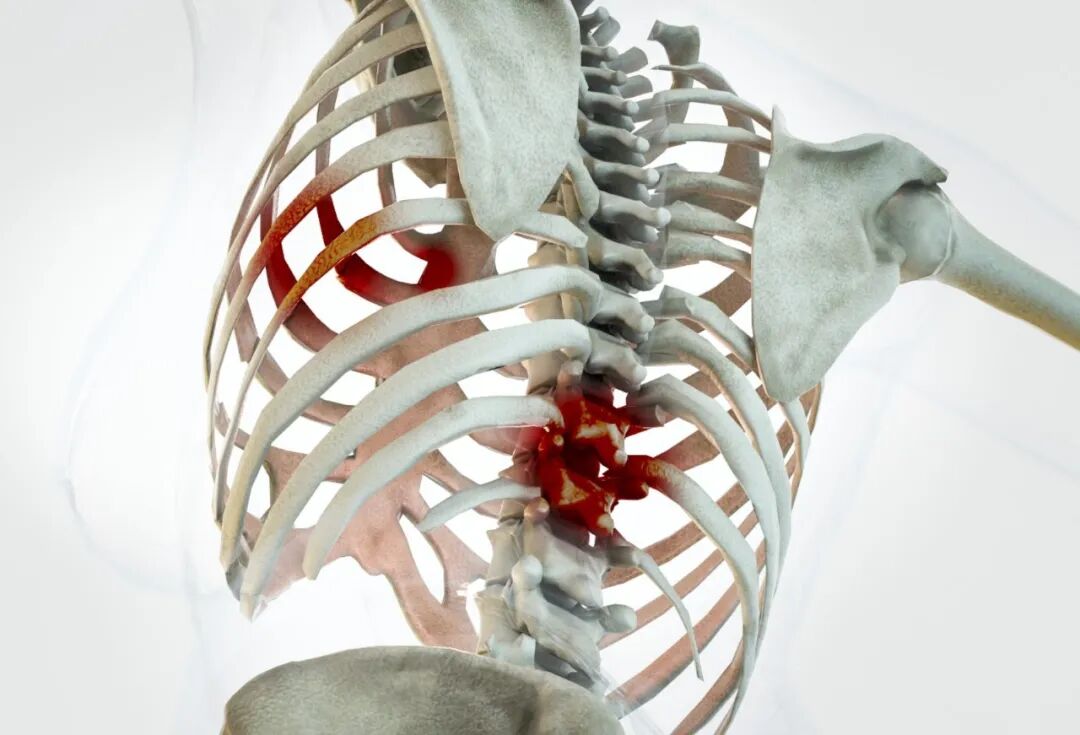
SPECTbone imaging revealed definite bone metastasis in the right 6thcostovertebral segment, T9vertebral body; T10–12vertebral body with increased bone metabolism, suspicious of metastasis.
At this point, Ms. Wang was diagnosed with stage IV breast cancer.
Contrary to the common perception that "judges the severity based on the size", the staging of breast cancer does not depend on the visible size of the tumor, but rather on the biological behavior of the tumor.
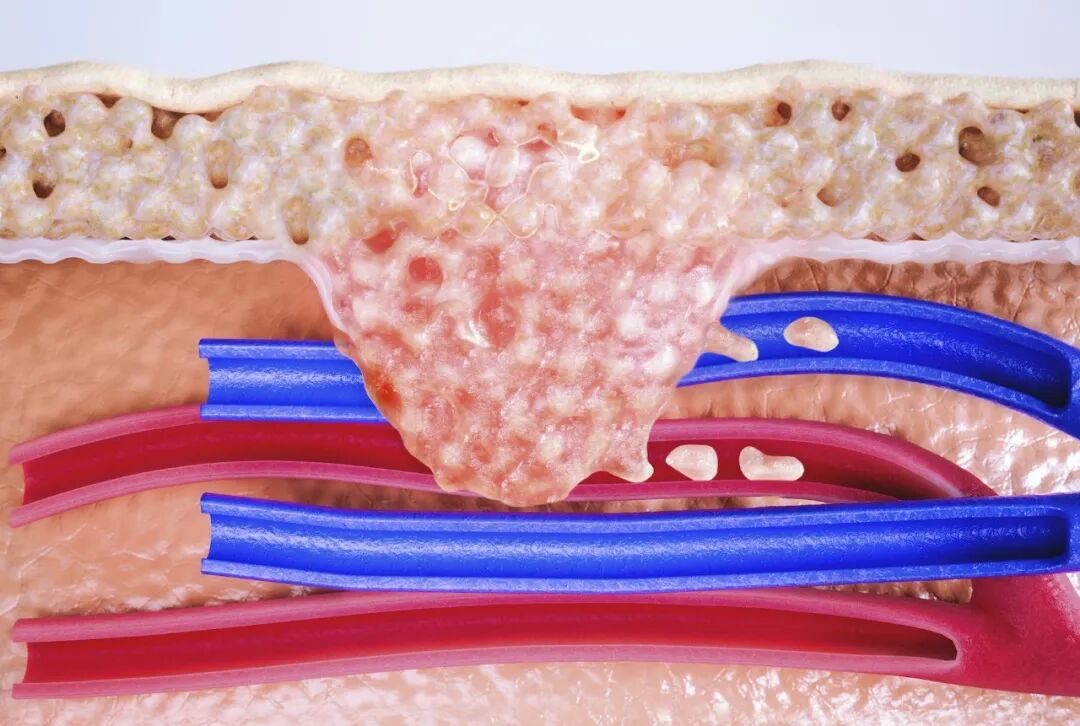
For breast cancer subtypes with strong aggressiveness, they are prone to metastasize to bones, liver, lungs, and other sites through the blood or lymphatic system in the early stage. In the TNM staging system, the assessment is based on tumor size, lymph node involvement, and distant metastasis. Even if the primary tumor is very small, like the one described in the article, which is only the size of a soybean, it can still be classified as stage IV breast cancer if it has accompanied lymph node and distant metastasis, and the cancer cells have spread to the bones. This also serves as a reminder that not only large tumors are cancerous. If you suddenly notice an unknown lump in your breast, regardless of its size, you should seek medical attention for investigation and early intervention
Following conventional thinking, IVstage breast cancer cells have metastasized beyond the primary site and may have spread throughout the body. At this point, surgery is no longer a solution. Therefore, the doctor customized a neoadjuvant chemotherapy strategy, from August 2021 to March 202220223 for a 8 cycle of epirubicin + cyclophosphamide followed by docetaxel chemotherapy. During the chemotherapy process, multiple ultrasound monitoring revealed that Ms. Wang's tumor had shrunk from its initial size of: 19x12x13mm to 7x3x3mm to 5x3x4mm
. Simultaneously, bone-preserving therapy was administered, utilizing zoledronic acid injection.
The neoadjuvant chemotherapy achieved significant tumor shrinkage, enabling Ms. Wang to undergo surgery. In April 2022, the radical mastectomy was completed. However, the pathological results remained pessimistic. The doctor removed 6 lymph nodes from her left axilla, all of which were found to have metastasized. Extensive cancer infiltration was observed in the adipose tissue.
From this perspective, although chemotherapy has a good tumor-shrinking effect, it seems ineffective against cancer cells in lymph nodes, and the tumor burden remains high. Therefore, adjuvant therapy should be strengthened after surgery .
Therefore, based on the immunohistochemical results of Ms. Wang, she was sensitive to endocrine therapy. From May 2022 to 2022 months, she underwent letrozole treatment
2022 to June 2022 to 2023 to 2 months, she took capecitabine8 weeks (discontinued during radiotherapy).
From 20228 months to 2022 to 9 months, she underwent radiotherapy
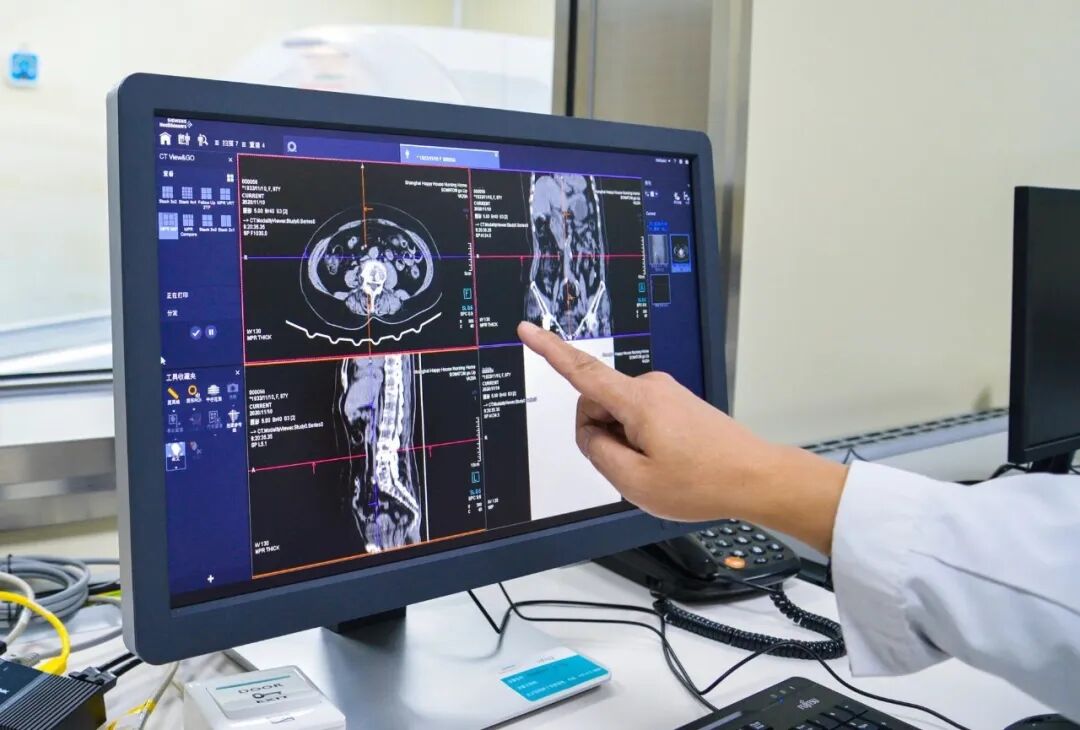
With the protection of the above layers of treatment, in 2023 month, Ms. Wang confidently underwent a postoperative 1-year follow-up. However, the results were not as ideal as expected. Bone metastasis continued to persist, , with increased metabolic activity in the vertebral bodies of the thorax and lumbar regions, and a 9-fold increase in the degree of vertebral bone metabolism. Although the tumor markers are negative, imaging suggests that the disease has not been fully controlled .
Just when Ms. Wang's standard treatment hit the "ceiling", various treatment methods still failed to control the metastatic lesions. Should we continue to maintain the current regimen and wait for disease progression, or should we explore another path beyond the standard answer? Ms. Wang and her family chose the latter option. In July 2023, at a critical juncture when her condition was stable but the bone metastases remained active, Ms. Wang initiated an "unconventional" approachTreatment, Immunology at Tsinghua UniversityvNKTCell Immunotherapy.
Experimental Conditions: In the presence of vNKT cells, after 16 hours, nearly all B16 tumor cells were killed!
1、 Breaking through the standard treatment platform period
Although the current plan can inhibit the progression of the disease, the increased metabolism of bone metastases suggests the presence of active tumor foci or dormant cancer cells, indicating that existing treatments only "stop" the disease, but cannot completely eliminate residual cancer cells. There is no answer in textbooks to better control the condition! Cancer originates from the breakdown of the immune system, and in order to achieve long-term stability or even cure, it is necessary for the immune system to complete the final outcome.
2、 Low risk, high potential
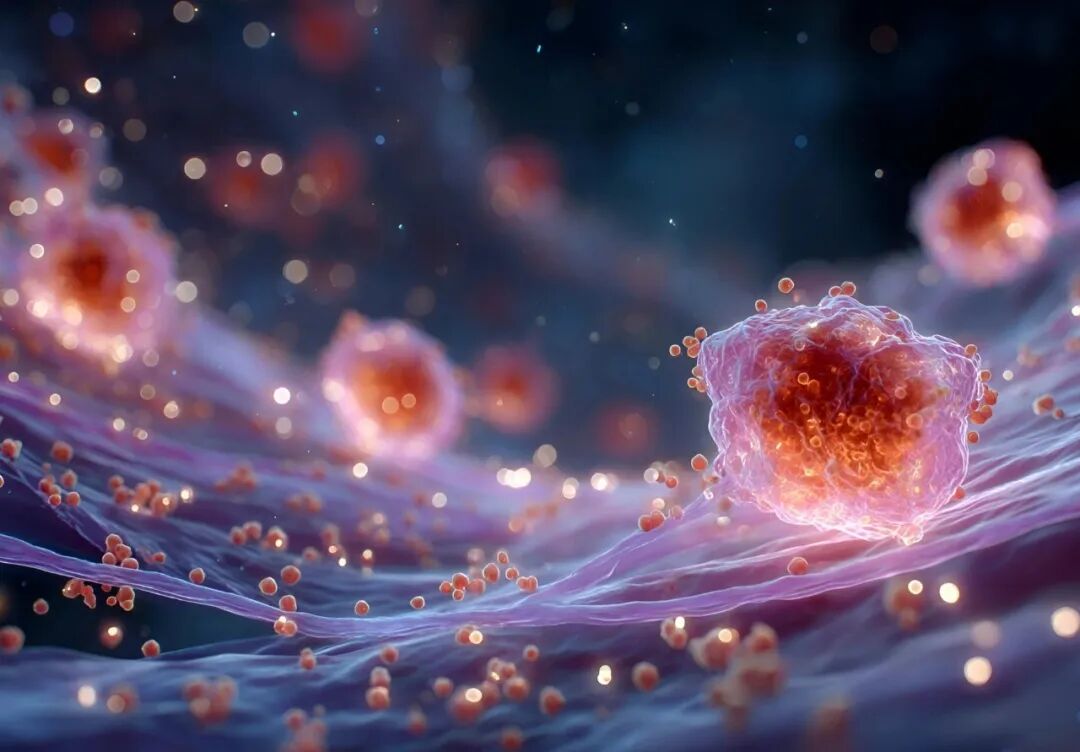
Ms. Wang has received multiple treatments such as neoadjuvant chemotherapy, capecitabine adjuvant chemotherapy, radiotherapy, endocrine therapy, and abamectin. If she wants to further improve the treatment effect, the space for traditional treatment is already very small. If the treatment intensity is forcibly increased, the damage to the patient may be greater than the benefits. At this time, the advantages of vNKT cell immunotherapy become apparent. These cells are naturally present in the human body, but they are artificially expanded and activated to enhance their anti-tumor capabilities. They can be used sequentially with traditional treatments such as chemotherapy, targeted therapy, and radiotherapy to eliminate residual cancer cells with almost no side effects.
3, it is in line with the optimal window period for immunotherapy.
After undergoing surgery, radiotherapy, and chemotherapy, Ms. Wang is in a window period with low tumor burden. Immunotherapy, as the supporting force in cancer treatment, is introduced at this time to precisely clear residual cancer cells, relieve immune suppression, and restore a healthy immune environment at the optimal time.
Her proactive approach was rewarded. In 2023year10month, she entered vNKTtreatmentfor 3months. Upon follow-up bone scan, T9vertebral body showed increased metabolic activity with reduced density. Subsequently, from 2024to 2025, the bone metastasis also stabilized without progression for a long period of time.

No new metastatic lesions were found in other sites, and tumor markers remained normal. Ms. Wang's heart, which had been hanging in the balance, finally eased down
. After undergoingvNKTtreatment, her condition remained stable for 2.5years without progression. This even enabled her to overcome her fear of advanced breast cancer and regain her confidence in life, starting to aspire for longer-term life goals.
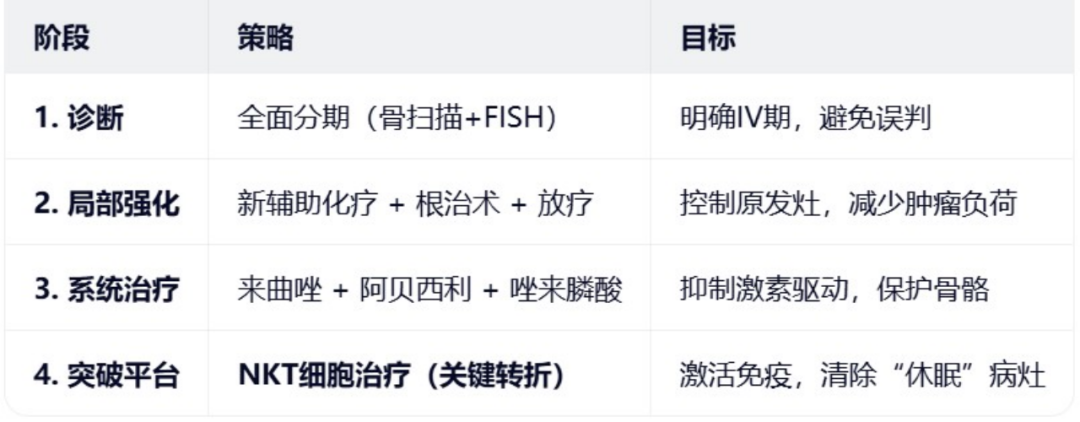
Looking back at the success of the princess, it is not due to any kind of “magic drug”, but rather within the scientific system, daring to try cutting-edge technologies at the right time, forming a synergistic effect with standard treatment, which has led to her "five-year survival formula":
At the same time, Ms. Wang's experience has also broken two misconceptions for other patients with advanced cancer:
Misconception ①: Advanced cancer does not mean giving up treatment.
Misconception②: When conventional treatments hit a dead end, exploring new approaches such as immunotherapy through scientific research may bring about a qualitative change for you.
The progress of medicine is not only limited to waiting for the launch of new drugs, but also lies in how to combine existing weapons and introduce new variables at the right time.
Light up hope, click on the image below to find Professor Zhang Minghui's team

Click to view past cases
Address: Room 1101 (Unit 101), 11th Floor, Building 1, No. 7 Courtyard, Kexueyuan Road, Life Science Park, Changping District, Beijing
Phone:010-8265 9866
Email:lehemedneo@hotmail.com