About Lehe
乐于心,和与众,与己乐,与人和; 心宽念纯,百病无生。


乐于心,和与众,与己乐,与人和; 心宽念纯,百病无生。


If you can't understand the subsequent professional descriptions, just take two minutes to read through this text
Overview of the disease
The fourth evaluation revealed a mass in the descending colon and a liver lesion, suggesting metastasis. PET-CT scan showed thickening of the wall and narrowing of the lumen at the junction of the descending and sigmoid colon, with serosal invasion and lymph node metastasis. Colonoscopy revealed an ulcerative mass growing circumferentially, making it impossible to pass through. Pathology confirmed moderately differentiated adenocarcinoma. After being diagnosed with colon cancer, Mr. Yang underwent partial hepatectomy and radical resection of the sigmoid colon in June 2020. Postoperative pathology revealed moderately differentiated adenocarcinoma in the sigmoid colon, with invasion of the subserosal fibrous adipose tissue, visible vascular thrombi, and nerve invasion. Pericolic lymph nodes showed metastatic cancer (4/21), with cancer invading beyond the lymph node capsule. Liver tissue resected from S8 liver lesion also contained moderately differentiated adenocarcinoma, consistent with liver metastasis from colon cancer. No cancer was found at the resection margin. Tumor pathological staging was pT3N2aM1. Genetic testing identified KRAS mutation p.G12A and APC mutation. After surgery, Mr. Yang was found to have multiple small lymph nodes newly appearing in the mesentery. On July 6, 2020, the patient underwent chemotherapy with the XELOX regimen. Post-chemotherapy CT scan revealed multiple small lymph nodes in the mesentery, consistent with previous findings, indicating potential metastasis.
knowledge
Colon cancer is a common malignant tumor, and KRAS gene mutation is one of the important factors in its occurrence and development. The KRAS gene encodes a GTPase that participates in the regulation of cell signaling pathways, and mutations can cause the KRAS protein to lose its normal regulatory function, thereby promoting uncontrolled cell proliferation and metastasis. KRAS mutations are common in colon cancer patients, accounting for about 40% of cases. Currently, KRAS mutations have become an important indicator in the treatment of colon cancer. For patients with positive KRAS mutations, conventional chemotherapy and radiotherapy have poor efficacy, and targeted therapy drugs under development may be effective, but they are still in the research stage. Therefore, it is very important for colon cancer patients to understand their KRAS gene status, which can provide important basis for the selection of treatment options.
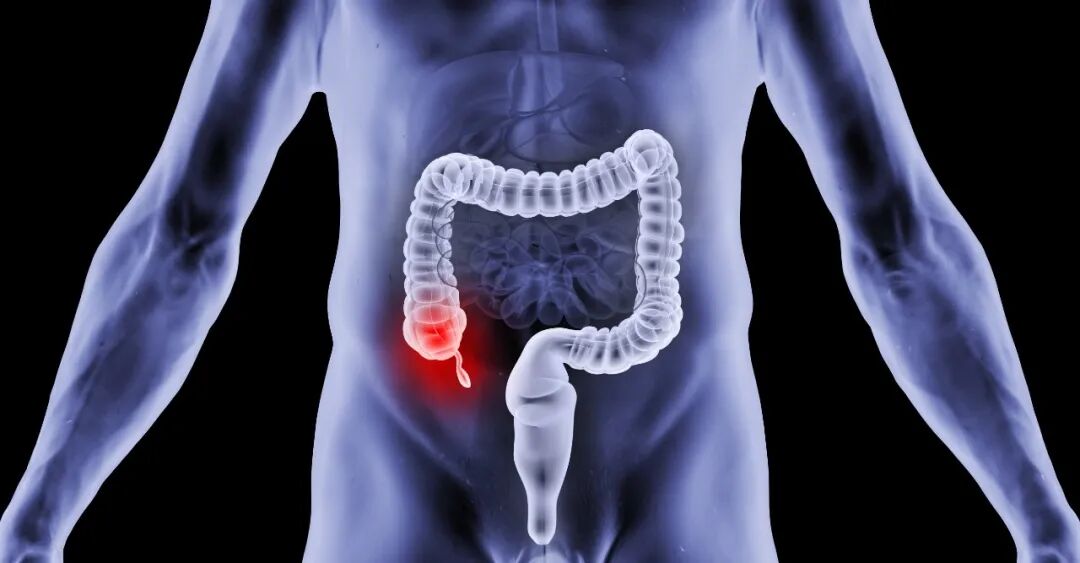
2. Colonic malignant tumors are quite special, and even if liver metastasis occurs, there is a chance for surgery. Radical surgery can be performed to remove both the primary and metastatic lesions, and the prognosis is better compared to other metastatic tumors.
3. Patients undergo radical surgery and postoperative chemotherapy, and the basic conventional treatment plan has been completed. However, many patients still have the risk of metastasis and recurrence even if the tumor cannot be completely eradicated through surgery and chemotherapy alone..
4. vNKT therapy uses powerful immune cells to kill tumor cells that may remain undetected in the body, and has almost no side effects. On the basis of completing routine treatment, vNKT therapy can effectively reduce the risk of tumor recurrence and delay the occurrence of recurrence/metastasis..
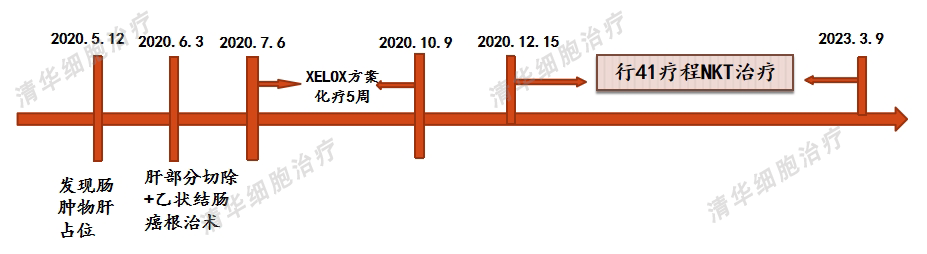
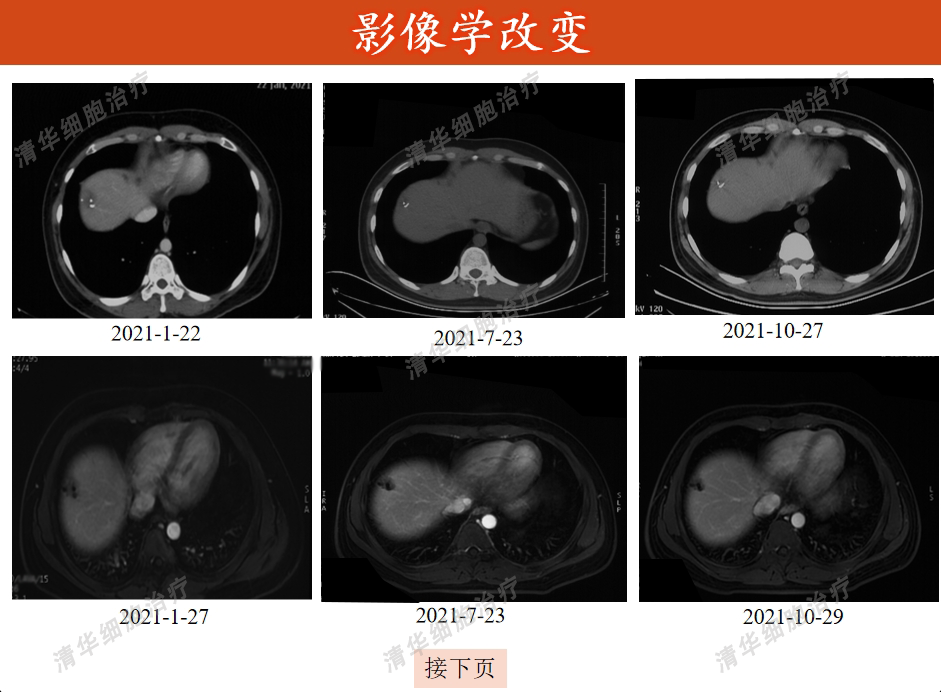
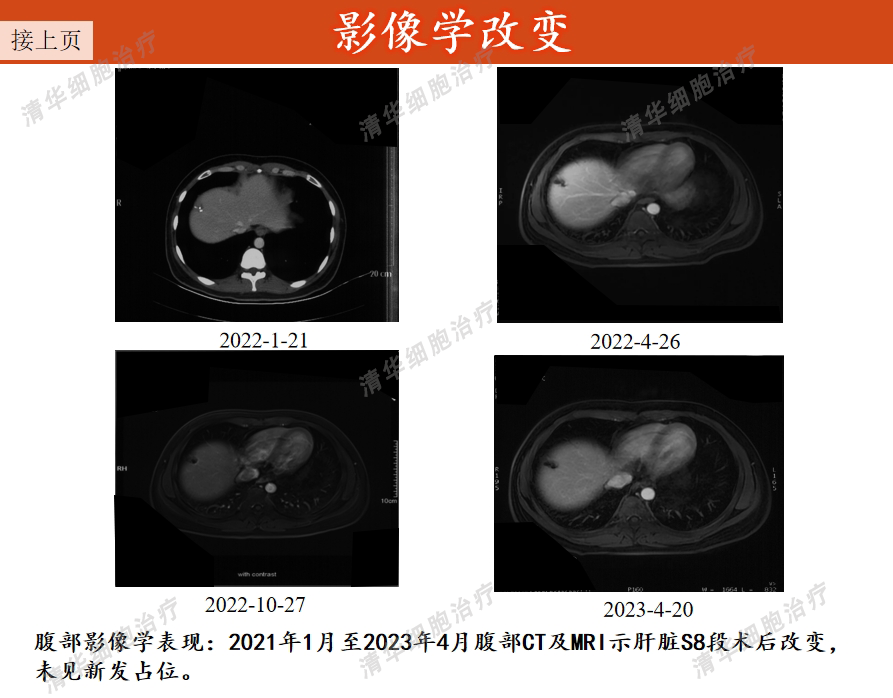
Image Aspects
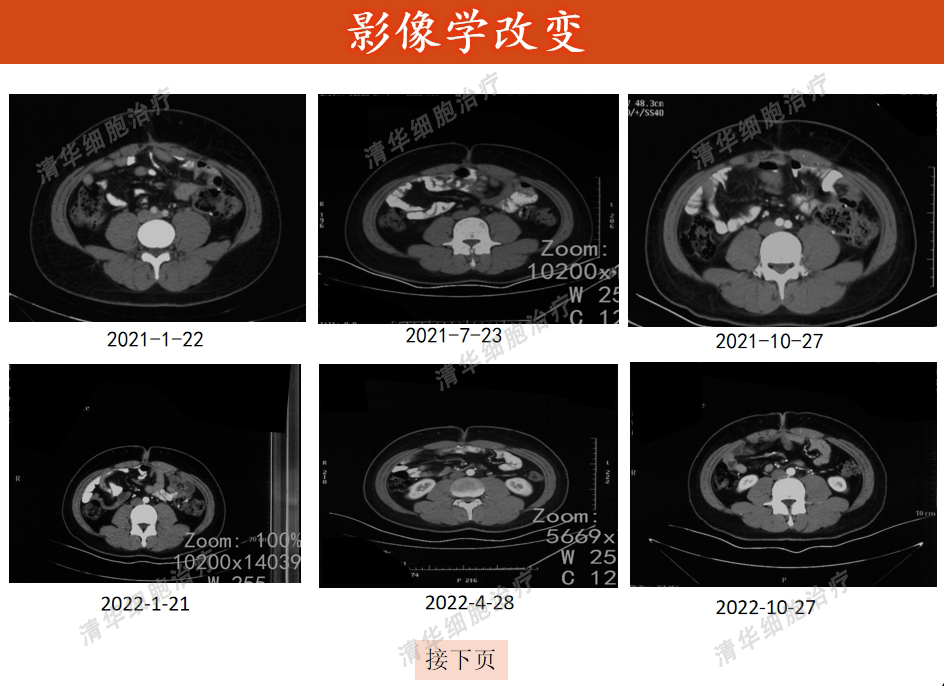
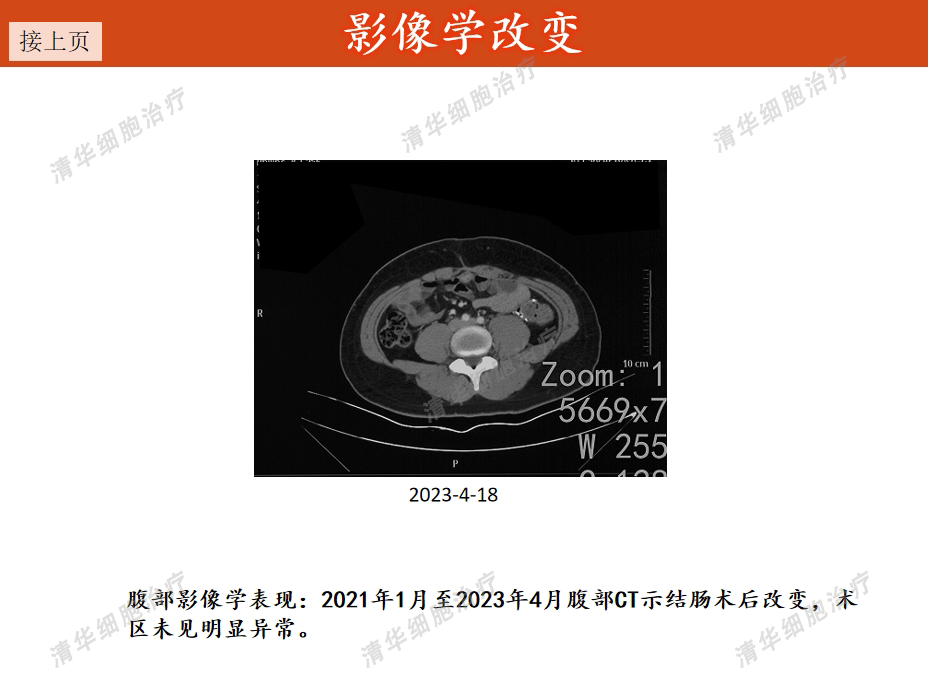
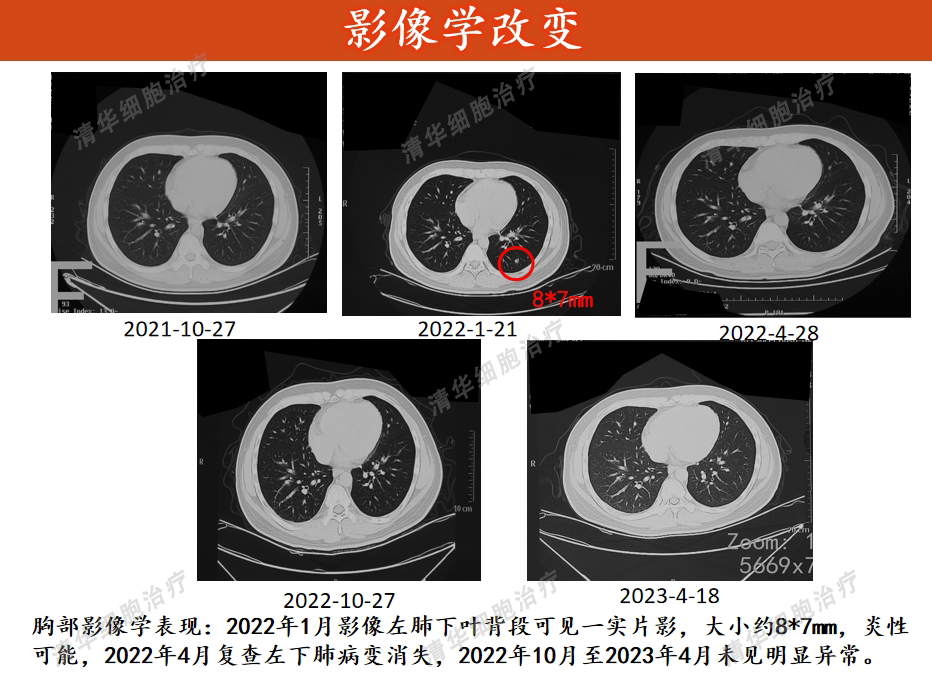
Tumor markers
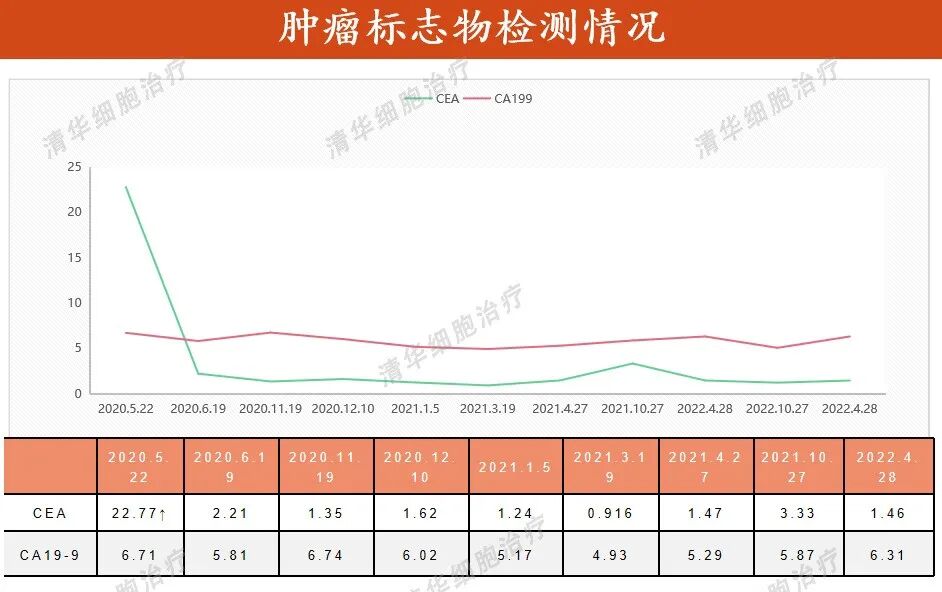
CEA: Increased in May 2020, returned to normal range upon reexamination in June 2020, and no abnormalities were found in subsequent regular examinations;
CA19-9: Regular monitoring showed values within the normal range.
Conclusion and Comments
Reference:< H477>
【1】Baek JH, Kim J, Baek DW, Chang E, Kim HJ, Park SY, Park JS, Choi GS, Kang BW, Kim JG. Clinical Implication of KRAS Mutation Variants in Patients With Resected Colon Cancer. Cancer Diagn Progn. 2022 Jan 3; 2(1):78-83. doi: 10.21873/cdp.10079. PMID: 35399997; PMCID: PMC8962850.
Click on the image

Address: Room 1101 (Unit 101), 11th Floor, Building 1, No. 7 Courtyard, Kexueyuan Road, Life Science Park, Changping District, Beijing
Phone:010-8265 9866
Email:lehemedneo@hotmail.com