About Lehe
乐于心,和与众,与己乐,与人和; 心宽念纯,百病无生。


乐于心,和与众,与己乐,与人和; 心宽念纯,百病无生。


If you can't understand the subsequent professional descriptions, just take two minutes to read through this text.
Overview of the condition
Ten years ago, Mr. Xu discovered blood in his stool and initially mistook it for hemorrhoids, so he did not pay much attention. After a year, with no significant improvement, he underwent a colonoscopy, which revealed rectal cancer. Mr. Xu promptly underwent radical resection for rectal cancer in July 2013. Postoperative pathology showed moderately differentiated adenocarcinoma with extensive infiltration , involving perirectal fat tissue, accompanied by extensive lymphatic and venous infiltration outside the intestinal wall . Metastasis was visible in five perirectal lymph nodes, accompanied by lymphatic and venous infiltration outside the intestinal wall and . The clinical stage was T3N2aM0 (IIIB). Postoperative chemotherapy with eight courses of oxaliplatin and capecitabine was administered.
Although rectal cancer has a relatively good prognosis among gastrointestinal malignancies, Mr. Xu's pathology report revealed extensive infiltration at the time of diagnosis - cancer cells were visible in lymphatic vessels and veins outside the intestinal wall, and metastasis was observed in five lymph nodes. Typically, tumors grow by infiltrating deep into the intestinal wall, where there are abundant lymphatic and vascular channels responsible for lymphatic fluid return and nutrient exchange in the intestine. These channels lead to various parts of the body, and "infiltration" means that cancer cells have already appeared in these tiny channels and are migrating outward . Even after radical resection to remove the main lesion, it indicates a higher risk of future metastasis and recurrence.
Despite undergoing surgery, Mr. Xu still feared that the tumor would return. Four years later, in March 2018, Mr. Xu discovered three nodules in his right lung during a chest CT scan, confirming lung metastasis from rectal cancer. In April 2018, he underwent TOMO radiation therapy for the pulmonary nodules. In January 2019, he underwent resection for the remaining pulmonary nodules.
However, just nine months later, Mr. Xu's PET/CT scan revealed recurrent mediastinal lymph node metastasis. He had to undergo mediastinal lymph node resection again and was treated with irinotecan, cetuximab, and temozolomide.
Recognition
Early Clinical Manifestations of Colon Cancer
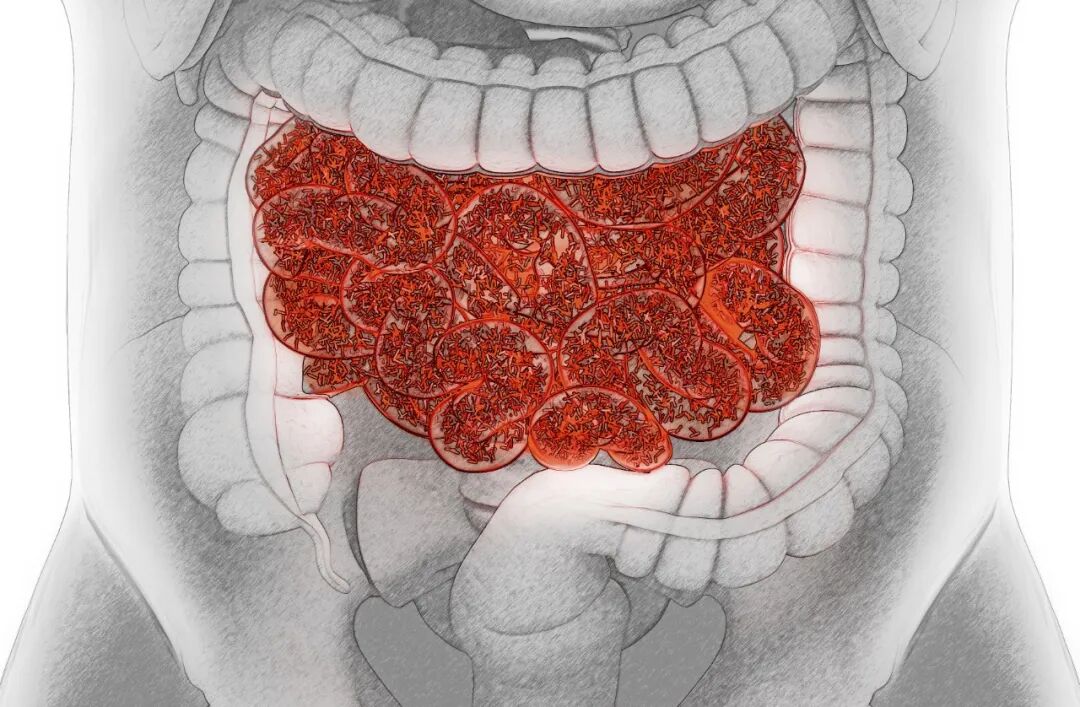
Colon cancer is a common malignant tumor of the digestive tract, and the most obvious symptom in its early stage is the presence of blood in the stool. However, blood in the stool is commonly seen in various digestive tract diseases. When blood in the stool occurs, it is necessary to distinguish it and not to panic immediately. There are several types of blood in the stool. When the blood is dark in color, it usually indicates upper gastrointestinal bleeding, such as bleeding from gastric ulcers or gastric cancer, which appears as black "tarry stool." In this case, a gastroscopy should be performed to confirm the diagnosis. When the blood in the stool is bright red, it indicates that the bleeding site is in the lower gastrointestinal tract, specifically the rectum and colon. The feces in the colon are mostly formed and do not undergo significant changes, so the blood in the stool caused by colon cancer is mainly located on the surface of the stool. Since the blood in the stool caused by colon cancer is mostly due to the stimulation of the colon cancer by stool, leading to rupture and bleeding on the tumor surface, patients may also experience abdominal pain at this time.
In addition to rectal and colon cancer, hemorrhoids can also cause bright red blood in the stool. The characteristic of blood in the stool caused by hemorrhoids is that the feces and blood do not mix, and the feces are excreted along with the blood, which is very similar to rectal and colon tumors and requires further confirmation with colonoscopy.
Even after undergoing surgical treatment, Mr. Xu still feared that the tumor would return. Four years later, in March 2018, Mr. Xu underwent a chest CT scan and found three nodules in his right lung, confirming rectal cancer with lung metastasis. In April 2018, he underwent TOMO radiation therapy for the lung nodules. In January 2019, he underwent resection of the remaining lung nodules.
However, just nine months later, Mr. Xu's PET/CT scan revealed the recurrence of mediastinal lymph node metastasis. He had to undergo mediastinal lymph node resection again and was treated with Irinotecan + Herceptin + S-1.
The repeated recurrences caused Mr. Xu great pain, prompting him to seek the assistance of Professor Zhang Minghui's NKT treatment team at Tsinghua University School of Medicine. After carefully reviewing the demonstrated cases of NKT cell therapy, Mr. Xu particularly hoped to try it to delay the progression of the tumor .
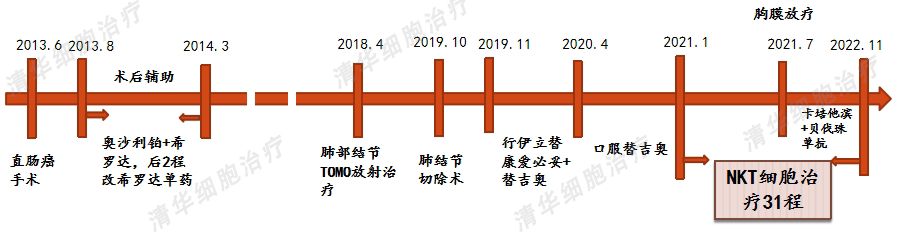
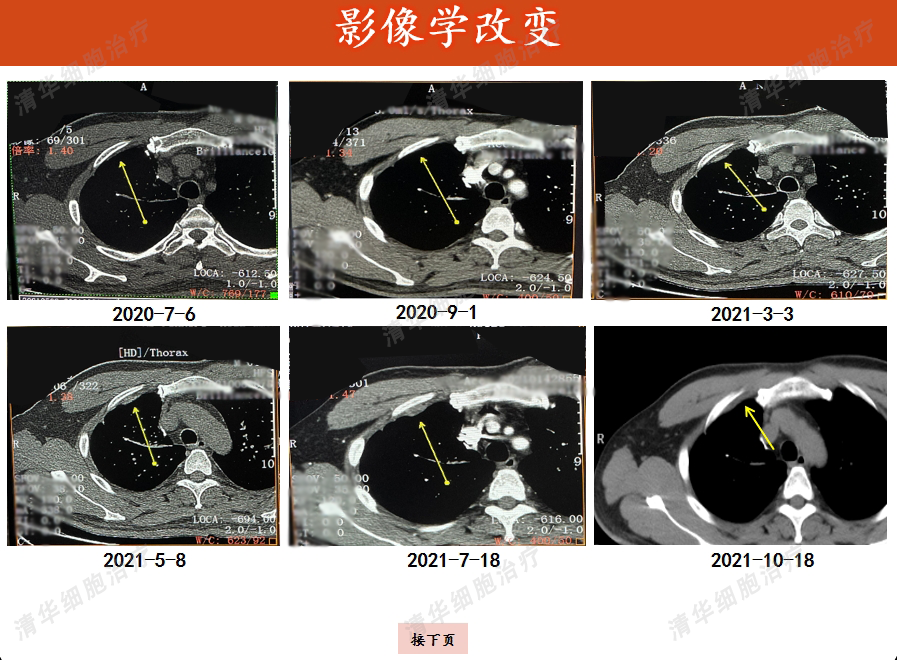
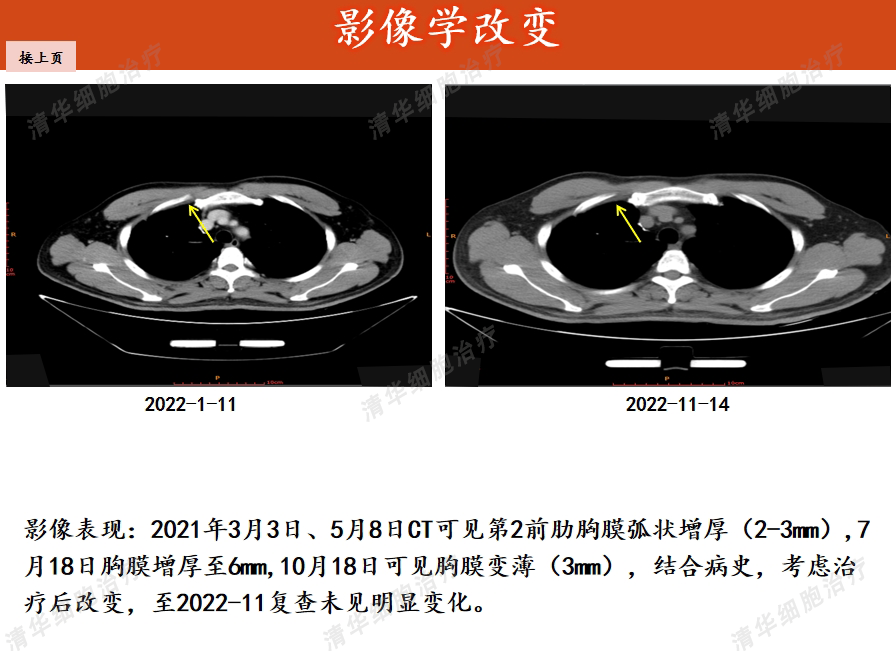
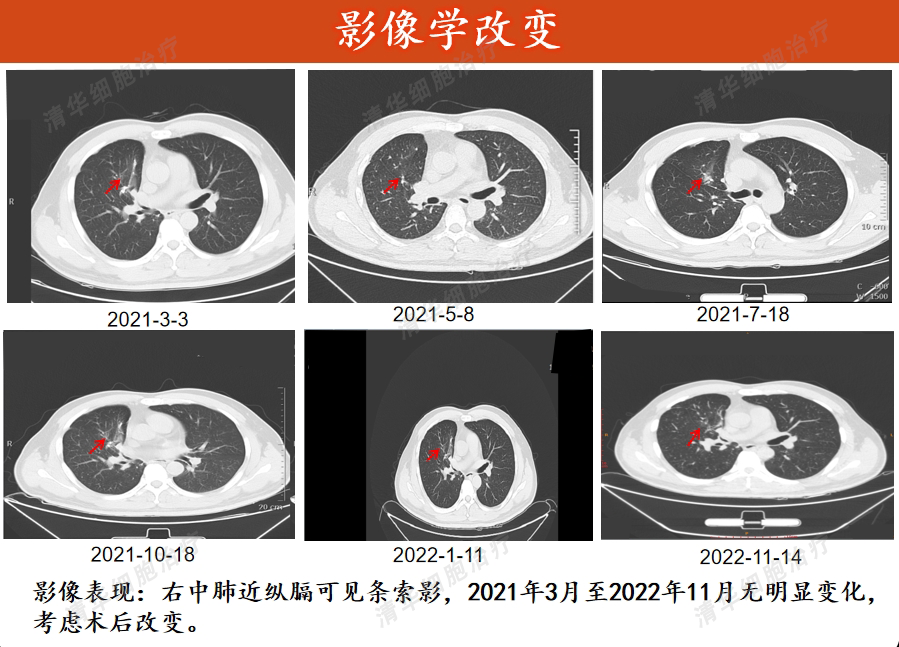
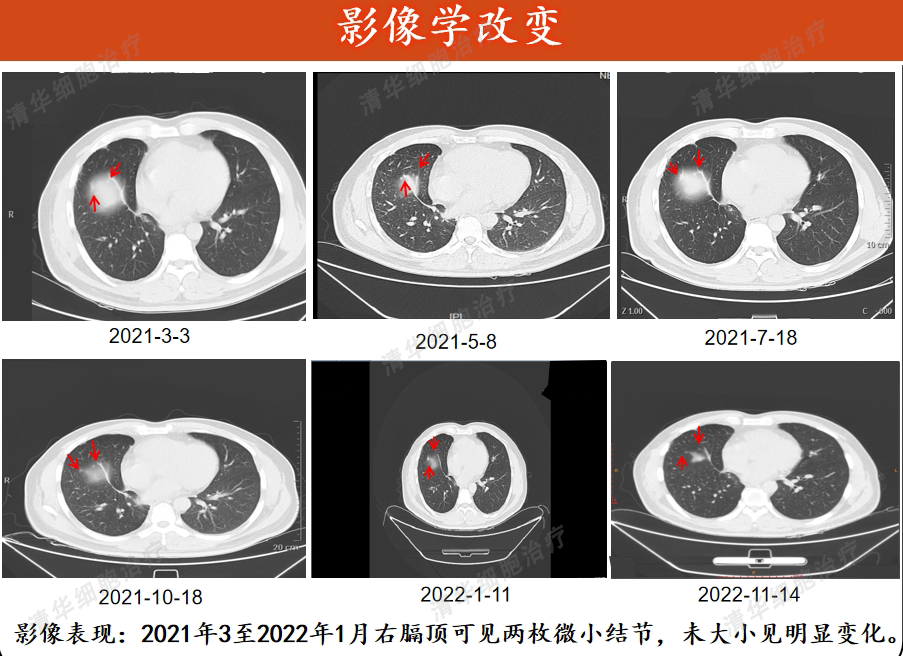
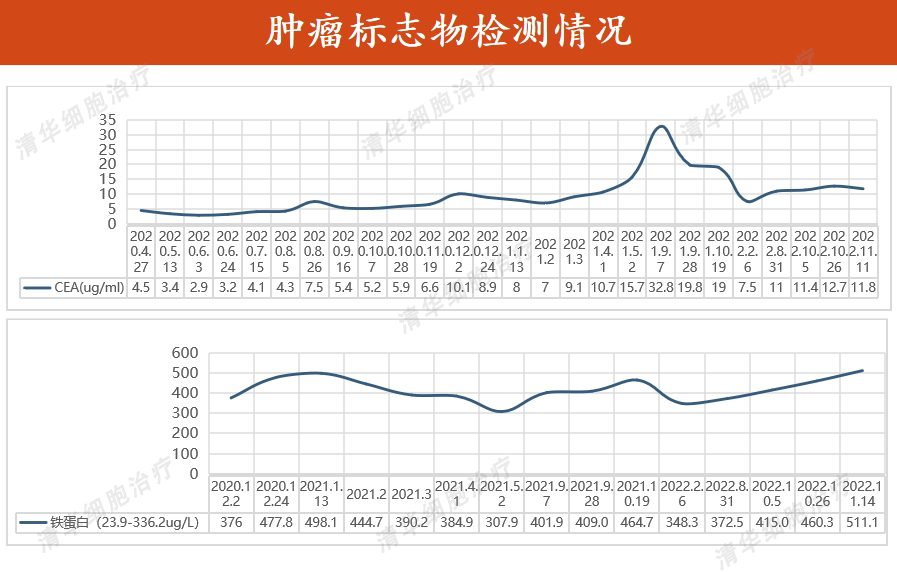
Mr. Xu received NKT cell immunotherapy in January 2021, and as of November 2022, he has completed 31 courses of treatment. During this period, a chest CT scan on July 18, 2021, revealed localized thickening of the right pleura, suggesting metastasis. He underwent 5 rounds of radiation therapy and has been treated with capecitabine and bevacizumab ever since.
Imaging
Tumor markers
Conclusion and Comments
Mr. Xu reported that he is leading a normal life and working, feeling more energetic than before; the frequency of colds and fever in spring and winter has decreased compared to the past. His quality of life score is 87 (previous score was 84.5).
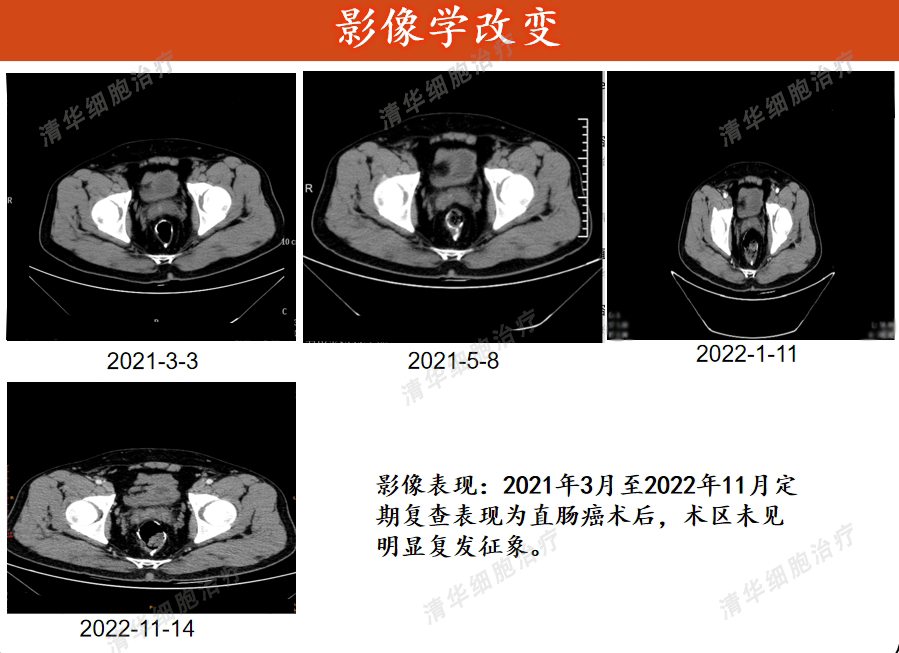
Over the past year, Mr. Xu completed the 31st course of treatment. Although local thickening of the right pleura was suspected to be metastatic in July 2021, after several months of evaluation following combined radiotherapy, his overall condition remains stable.
With changes in lifestyle and the acceleration of population aging in China, the incidence rate and mortality rate of colorectal cancer (CRC) have increased over the past few decades. Lung metastasis accounts for 32.9% of all metastatic CRC cases, and the 5-year survival rate for rectal cancer after lung metastasis is 35%-70% following surgery.
Due to the high malignancy and late postoperative staging of Mr. Xu's tumor, despite undergoing surgical treatment, recurrence occurred repeatedly. NKT cell immunotherapy plays an indispensable role in reducing the risk of recurrence and metastasis. It not only eliminates residual tumor cells but also strengthens the immune system, thereby providing patients with long-term stability.
Reference:< H376>
Click on the image


Address: Room 1101 (Unit 101), 11th Floor, Building 1, No. 7 Courtyard, Kexueyuan Road, Life Science Park, Changping District, Beijing
Phone:010-8265 9866
Email:lehemedneo@hotmail.com