About Lehe
乐于心,和与众,与己乐,与人和; 心宽念纯,百病无生。


乐于心,和与众,与己乐,与人和; 心宽念纯,百病无生。


If you find it difficult to understand the subsequent professional descriptions, you can quickly read through this text within two minutes.
Disease Overview
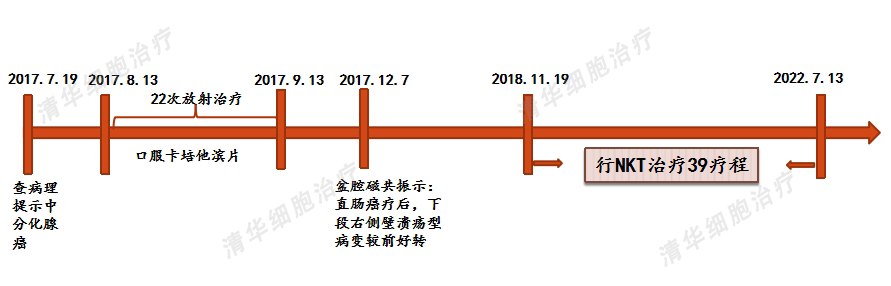
Mr. Ma discovered blood in his stool in November 2016, but initially paid no attention to it. It was not until May 2017, when he noticed an increase in the frequency of occurrences, that he went to the 306 Hospital for a colonoscopy. During the examination, an approximately 2.5*3cm ulcerated mass was found about 1cm from the anus, and the pathology report indicated moderately differentiated adenocarcinoma.
In August 2017, a CT scan suggested rectal cancer (stage cT3N1b). Mr. Ma was already 69 years old at the time, and low rectal cancer located only about 1cm from the anus was not amenable to anal preservation. Surgical treatment would not only permanently deteriorate Mr. Ma's quality of life, but also posed a significant risk for an elderly patient to endure surgery.
From August 13 to September 13, 2017, Mr. Ma underwent 22 rounds of radiotherapy, during which he took capecitabine tablets for chemotherapy. A follow-up MRI revealed that after treatment for rectal cancer, the ulcerative lesion on the right wall of the lower segment had improved compared to before, with the lesion locally penetrating the muscular layer. Lymph nodes were visible in the mesenteric region and adjacent to the superior rectal artery.
Knowledge
Low rectal cancer
The rectum is divided into three segments: the upper segment (10-15cm), the middle segment (5-10cm), and the lower segment (less than 5cm). Tumors in the upper rectum generally do not disrupt normal physiological functions and anatomical structures after surgery, allowing for the preservation of nerves and the anus, most importantly, preserving normal bowel function. This ensures that patients' quality of life does not significantly decline post-surgery.
Low rectal cancer located in the lower segment (less than 5cm) may not be suitable for anal-preserving surgery. After surgery, patients must rely on stoma for bowel movements, which has lifelong implications. They must wear fecal bags to collect excreta for the rest of their lives, greatly affecting their quality of life. Currently, preoperative chemotherapy and other methods can remove tumors located more than 2cm above the anus and achieve radical cure, but it is difficult to preserve the anus with just a 1cm distance.
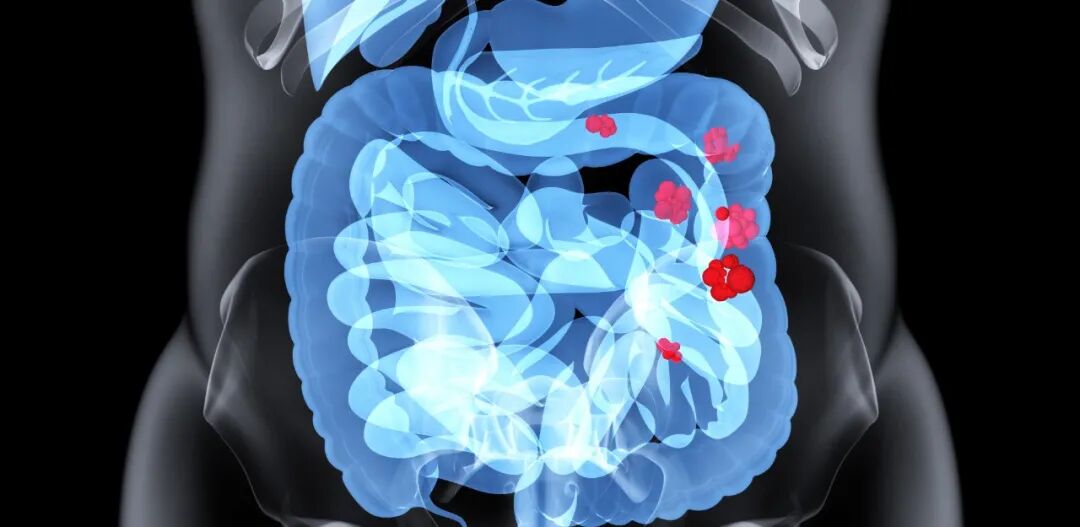
1. The patient underwent radiotherapy and chemotherapy for rectal cancer but did not undergo radical surgery.
2. Due to various reasons, the patient did not undergo radical surgery, and radiotherapy and chemotherapy are difficult to completely eradicate the lesion like surgery. In this case, the risk of recurrence and metastasis in the future is higher.
3. In order to prolong the patient's life span without compromising their quality of life, NKT cell therapy is a good choice. NKT cell therapy utilizes powerful immune cells to kill tumor cells in the body, with essentially no side effects, making it very friendly for elderly patients like Mr. Ma.
Imaging
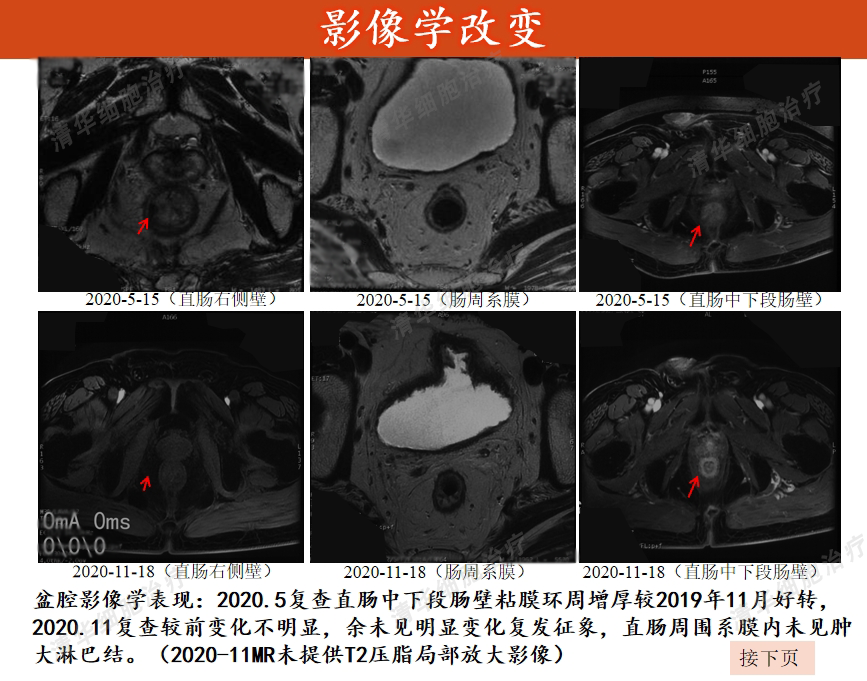
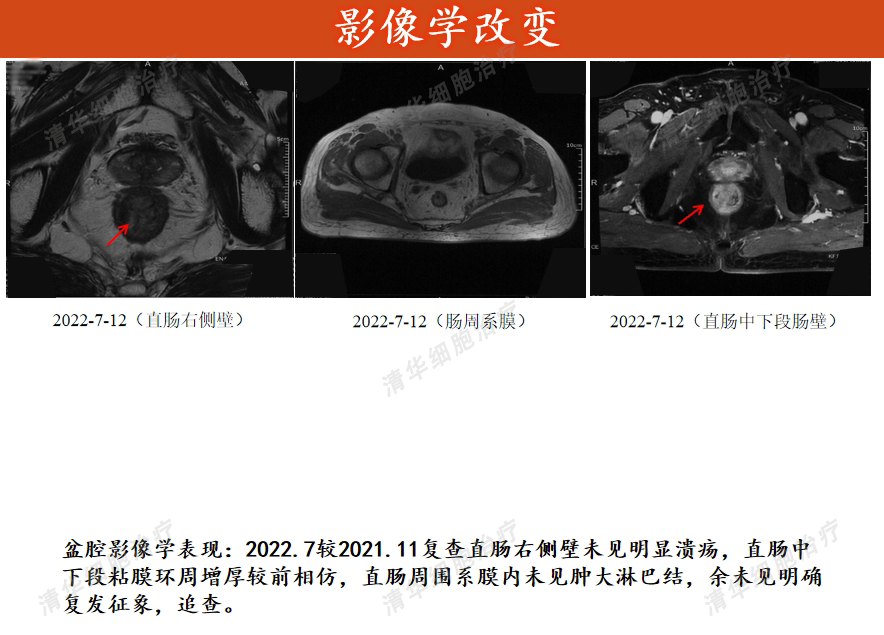
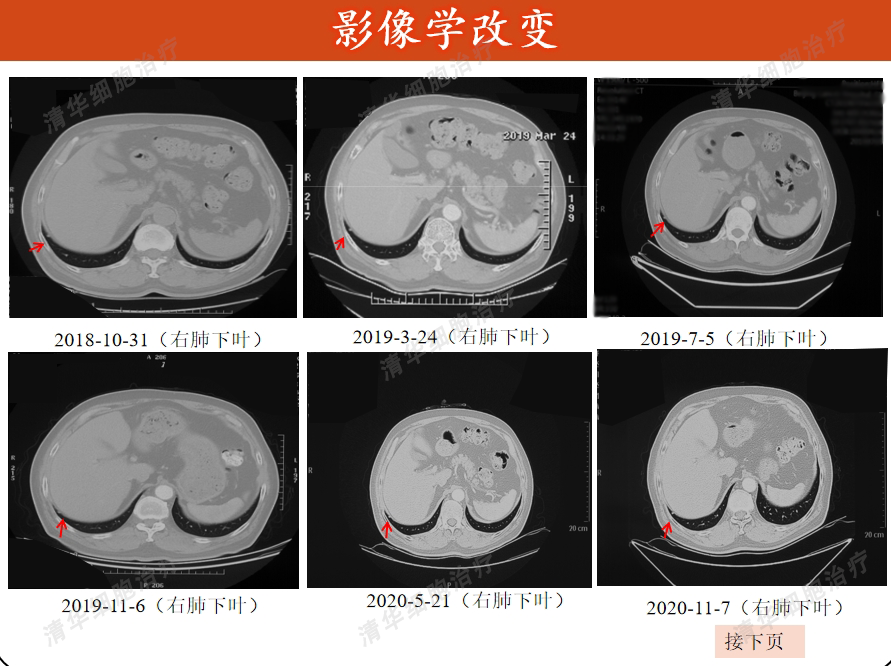
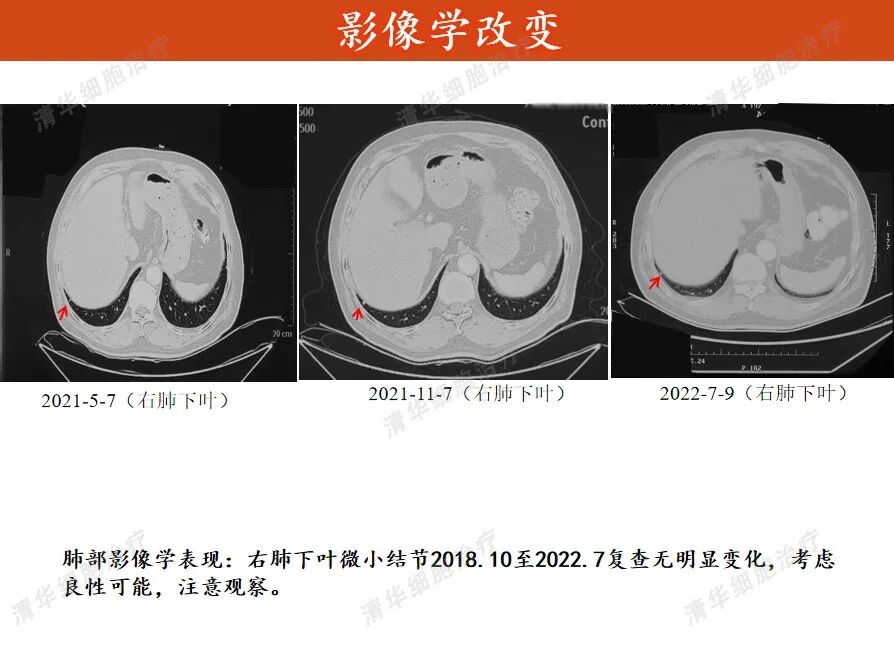
Swelling < H274>
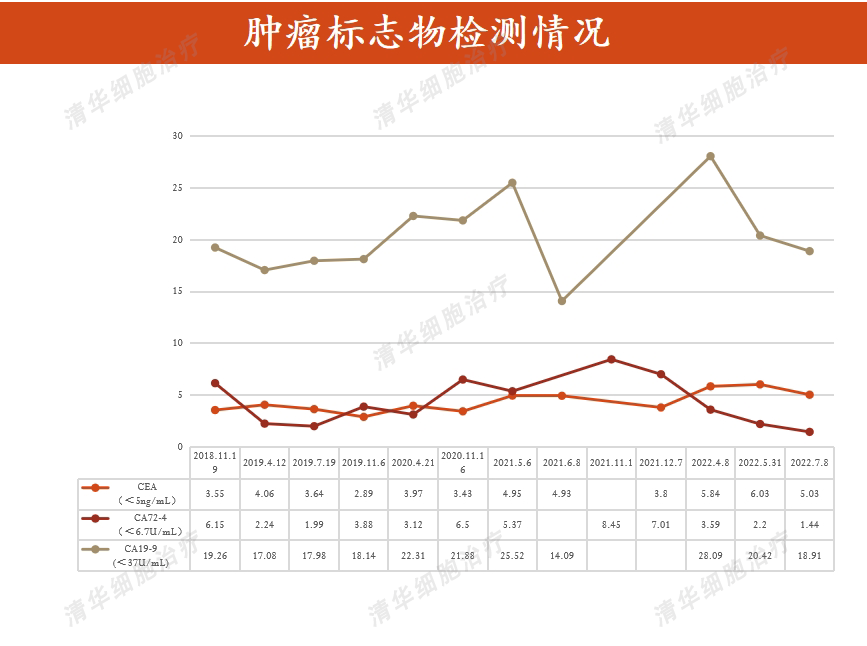
Quality of Life
Mr. Ma reported that his physical condition had improved to some extent, and he felt more energetic than before. His quality of life score was 80 points.
Conclusion s
Mr. Ma did not undergo surgical treatment, but there was still hope. After receiving NKT cell therapy, he achieved the desired goal. Over the years of treatment, imaging examinations showed no signs of progression. It is hoped that with subsequent treatment, Mr. Ma can continue to achieve long-term stability.
Click on the image
Address: Room 1101 (Unit 101), 11th Floor, Building 1, No. 7 Courtyard, Kexueyuan Road, Life Science Park, Changping District, Beijing
Phone:010-8265 9866
Email:lehemedneo@hotmail.com