About Lehe
乐于心,和与众,与己乐,与人和; 心宽念纯,百病无生。

乐于心,和与众,与己乐,与人和; 心宽念纯,百病无生。

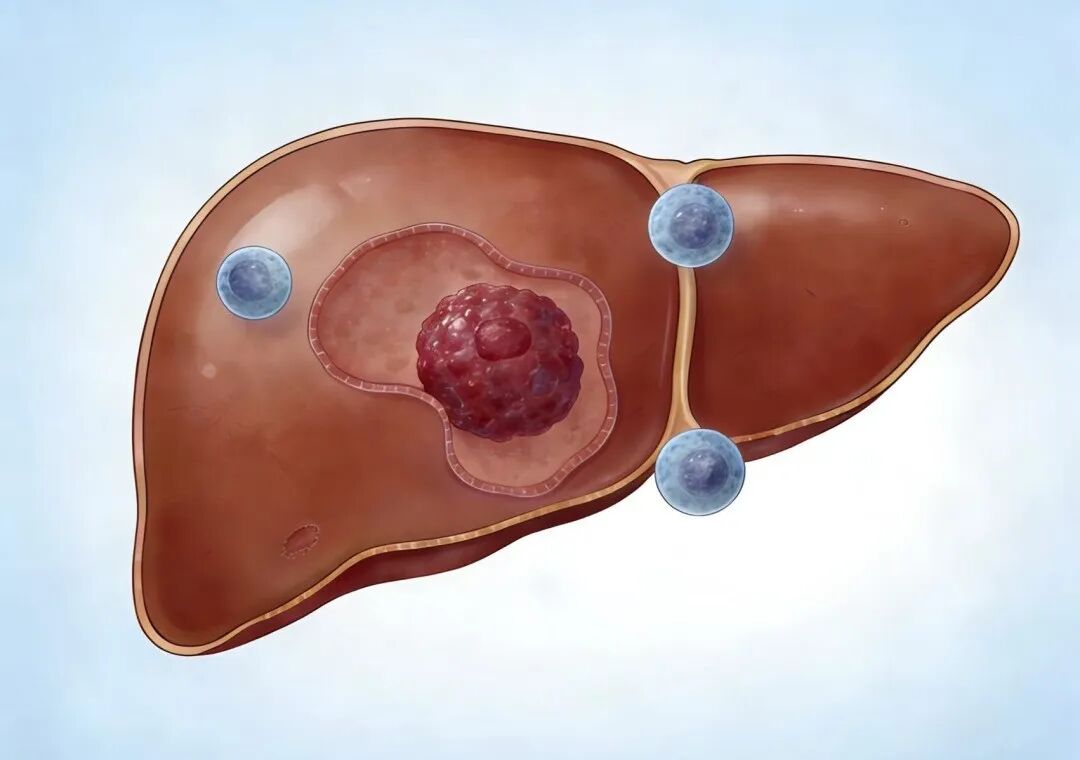
2024 Year by year< msph-256/>8 During a monthly physical examination, Mr. Feng discovered that there were many nodules growing in the right lobe of the liver, some of which were large< msph-268/>3.6X3.7cm, The small ones have also grown up< msph-280/>2.3X2.2cm。. After further enhanced CT and MRI examinations, liver cancer was confirmed. At this time, multiple lesions had developed in the S5 , S6 segments, with the largest one being 3.7x3cm . On
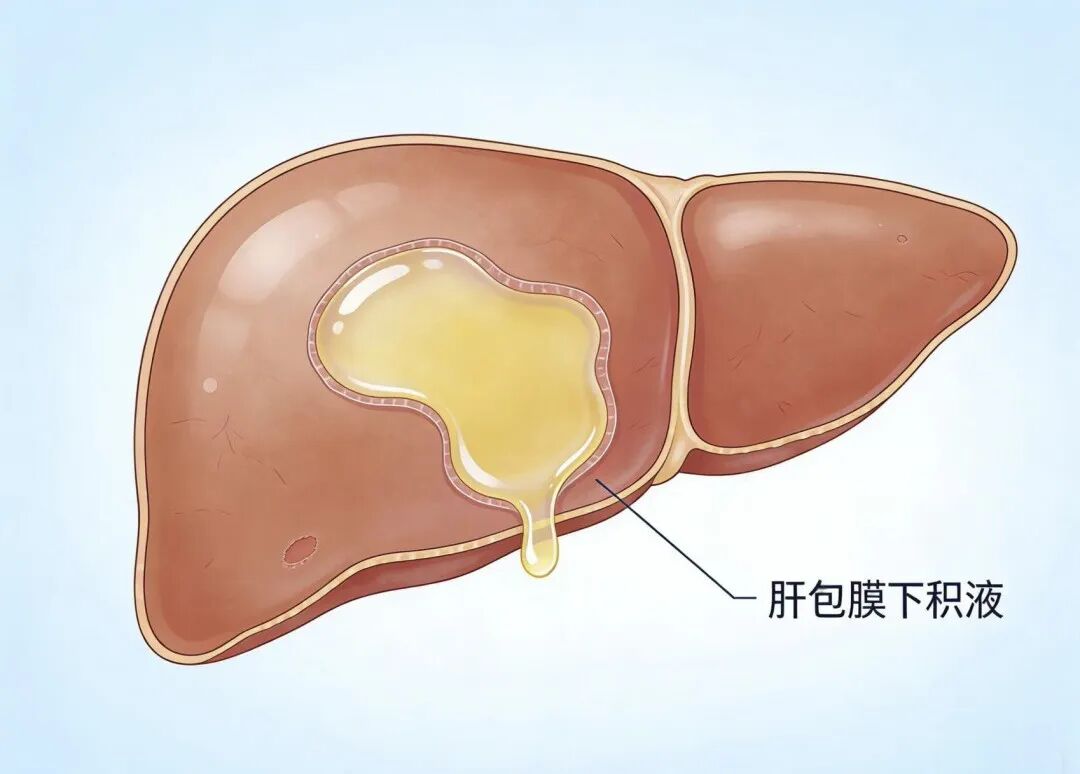
Due to Mr. Feng's tumor having a large volume, exceeding 3 centimeters, and invading multiple liver segments, it is in the late stage and is no longer operable . Furthermore, the patient was already 80 years old and could not tolerate chemotherapy, so he underwent radiofrequency ablation, but this treatment method also failed to prevent the lesion progression. Just one month later, the lesion grew from 3.9×3.6cm to 4.3×3.7cm, and there was subcapsular fluid accumulation.
Thus, Mr. Feng started using the targeted drug lenvatinib +camrelizumab (a PD-1 inhibitor) +Huai'er Granules from202412 month.
However, the side effects of targeted drugs appeared quickly. After only 2months, Mr. Feng had to discontinue the targeted drug lenvatinib due to excessively low platelet count. At this time,
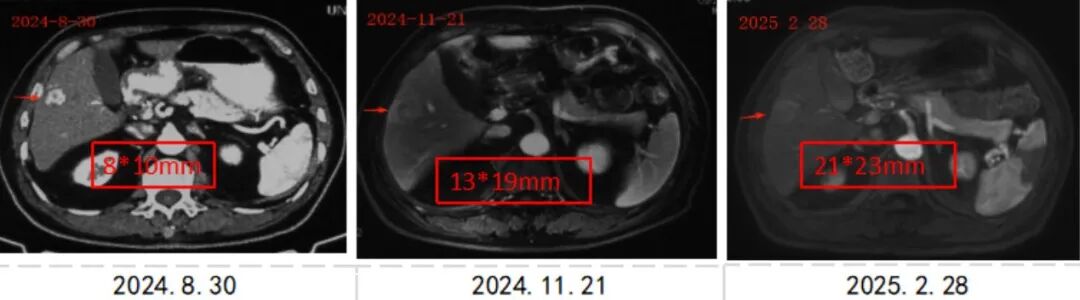
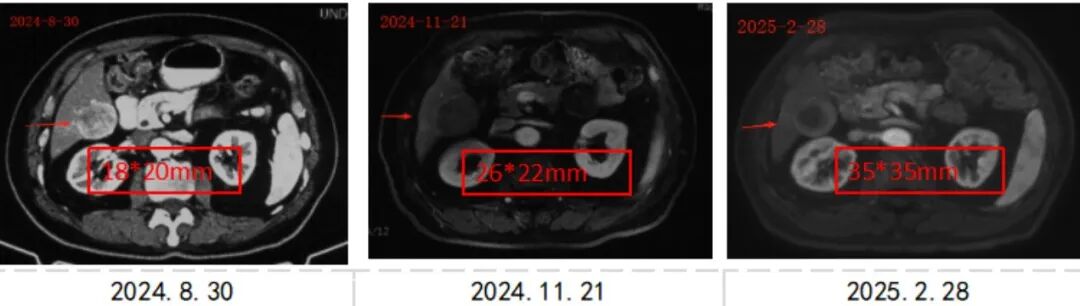
After Mr. Feng had been treated for 4 months and the tumor was still growing, his family began to realize that cancer treatment was not a standardized protocol with a set process, and that they needed to seek methods beyond conventional treatment.
By chance, Mr. Feng's family saw hope in the vNKT
2Currently, the patient only retains Camrelizumab (PD-1 inhibitor) +3 once a week of Huaier Granules, . It is difficult to control the situation with immunotherapy alone , and stronger support is needed to combine with it. As a form of immunotherapy, vNKT cell therapy, once activated, can be extremely effective, with both non-specific and specific abilities to recognize tumor cells, capable of rapidly killing tumor cells, making it an excellent complementary treatment method.
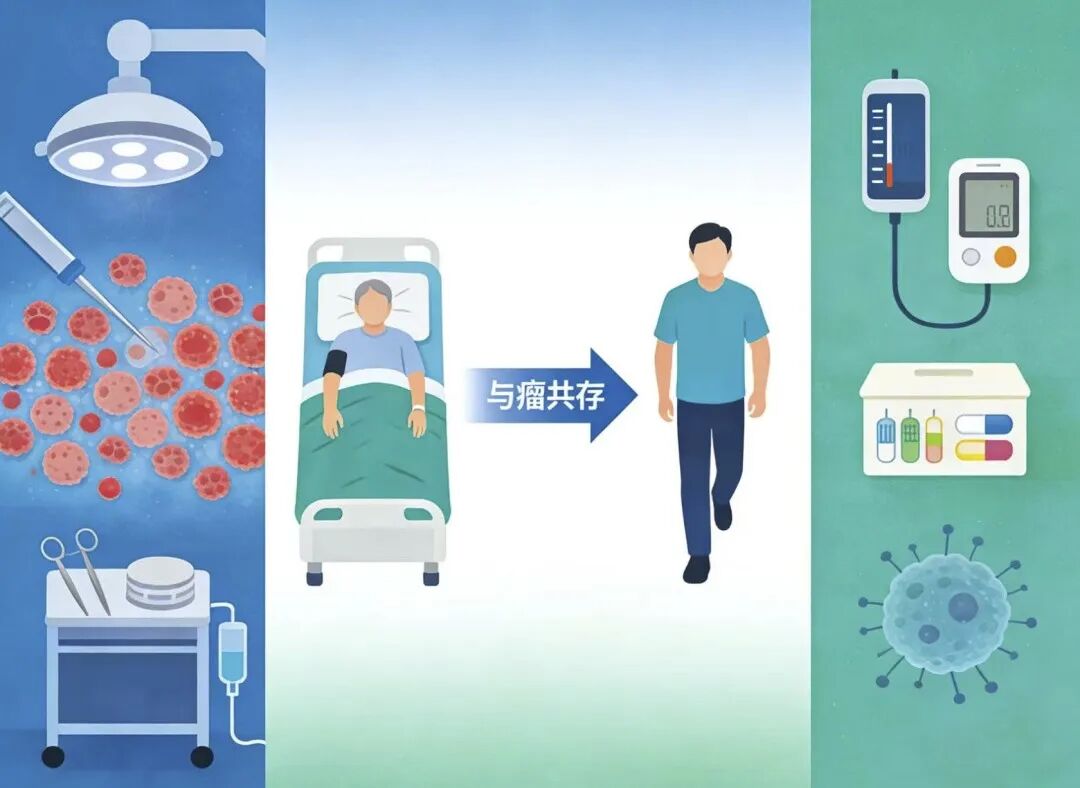
3, with monthly 1 intravenous infusions, no hospitalization is required, and 80-year-old elderly people can fully tolerate it, achieving survival with the tumor without loss of quality of life.
Experimental conditions: In the presence of vNKT cells, nearly all B16 tumor cells were killed after 16 hours!
For patients with advanced cancer, disease stabilization is an important clinical benefit indicator. Studies have shown that patients who maintain disease stabilization for ≥3 months have a significantly better median survival than those who experience early progression, with a survival time that is 2 to 3 times [3] longer.
Considering the biological characteristics of tumors, patient benefits, and clinical practice, "stabilizing the condition" is crucial. If advanced cancer can be transformed into a "chronic disease" like hypertension or diabetes, although it cannot be cured, long-term management can ensure normal life without being affected. This is a realistic and sustainable goal.
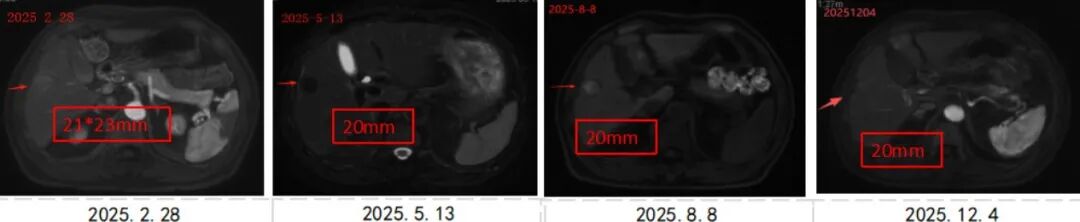
In 2025, 5, Mr. Feng began to undergo vNKTcell therapy, and after 3months, he underwent a follow-up imaging examination. He and his family were pleasantly surprised to see that the lesion on his liver, which had been continuously growing, had finally stopped, . As of the recent final follow-up examination, his condition remains stable.
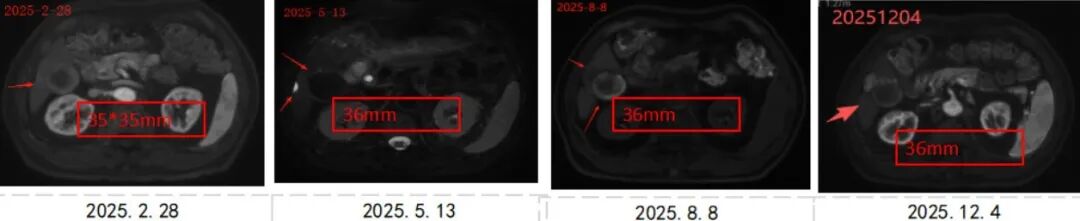
Finally, I want to tell all terminal cancer patients the truth: our fundamental goal in treating the disease is not to perish together with cancer cells, but to live longer and better lives.
Mr. Feng's treatment story also confirms that there is a third path to take besides "resilience" and "giving up", and a stable condition is also a new starting point worth celebrating.

If you have issues related to immune enhancement after cancer surgery, ,
, please leave a message for Professor Zhang's team~

[1]National Clinical Research Center for Infectious Diseases, Liver Disease Branch, Beijing Medical Association, Translational Medicine Branch, Chinese Geriatrics and Geriatrics Society. Expert Consensus on Precision Diagnosis and Treatment Management of Advanced Primary Liver Cancer (2023 Edition)[J]. Chinese Journal of Hepatology, 2023, 31(9)
[2]Qin, Y., Tang, C., Li, J. et al. Liver cancer in China: Analysis of mortality and disease burden trends from 2008 to 2021. BMC Cancer 24, 594 (2024). https://doi.org/10.1186/s12885-024-12334-2
[3]Guidelines for the Diagnosis and Treatment of Primary Liver Cancer (2024 Edition)
Click to view past cases
Address: Room 1101 (Unit 101), 11th Floor, Building 1, No. 7 Courtyard, Kexueyuan Road, Life Science Park, Changping District, Beijing
Phone:010-8265 9866
Email:lehemedneo@hotmail.com