Contact Us Careers
Hepatobiliary and Pancreatic Cancers

Is the recurrence rate of liver cancer extremely high? Immunotherapy helps achieve 9 years without recurrence

时间:2026-04-16 人气:
           
Click on the blue text to follow us            


# Liver Cancer              


Primary liver cancer is a common malignant tumor in China, predominantly occurring in the southeast coastal areas and affecting people aged 40 to 50. The incidence rate is higher in males than in females. Currently, it is believed that the occurrence of this disease is closely related to aflatoxin, viral hepatitis, cirrhosis, and environmental factors. The 5-year survival rate for liver cancer patients in China is approximately 14% [1]. Currently, liver transplantation is the optimal treatment option for liver cancer [2], but due to strict medical indication restrictions, donor availability, and cost, only a small number of patients can undergo liver transplantation [3]. Therefore, hepatectomy remains the preferred treatment option [4]. Unfortunately, the 3-year recurrence rate after hepatectomy is as high as 50%, and the overall 5-year survival rate is only 40% to 60% [5]. Recurrence is the most significant factor affecting the prognosis of liver cancer patients and is also the most urgent challenge that needs to be addressed in the current treatment of liver cancer.


liver cancer          
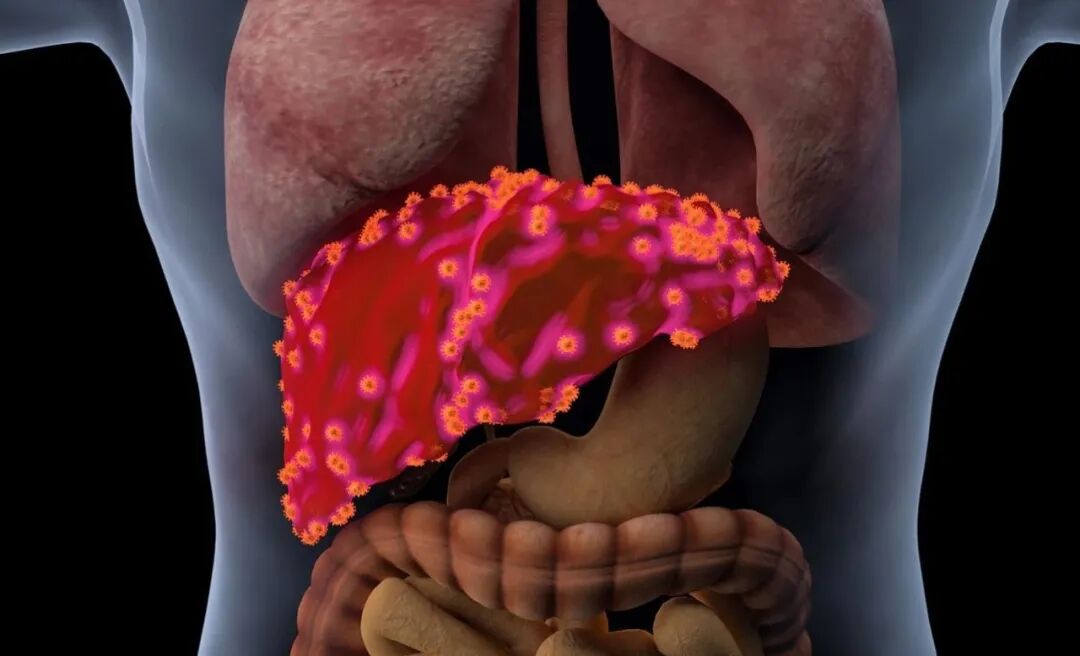
Factors contributing to postoperative recurrence of liver cancer          


The factors contributing to postoperative recurrence of liver cancer are relatively complex, primarily encompassing the following aspects:

01
Oncology

The larger the tumor, the higher the risk of postoperative recurrence; the risk of postoperative recurrence in multiple tumors is higher than that in solitary tumors; the risk of postoperative recurrence in poorly differentiated tumors is higher than that in well differentiated tumors; tumor invasion of blood vessels increases the risk of postoperative recurrence; incomplete tumor capsule increases the risk of postoperative recurrence.


02            
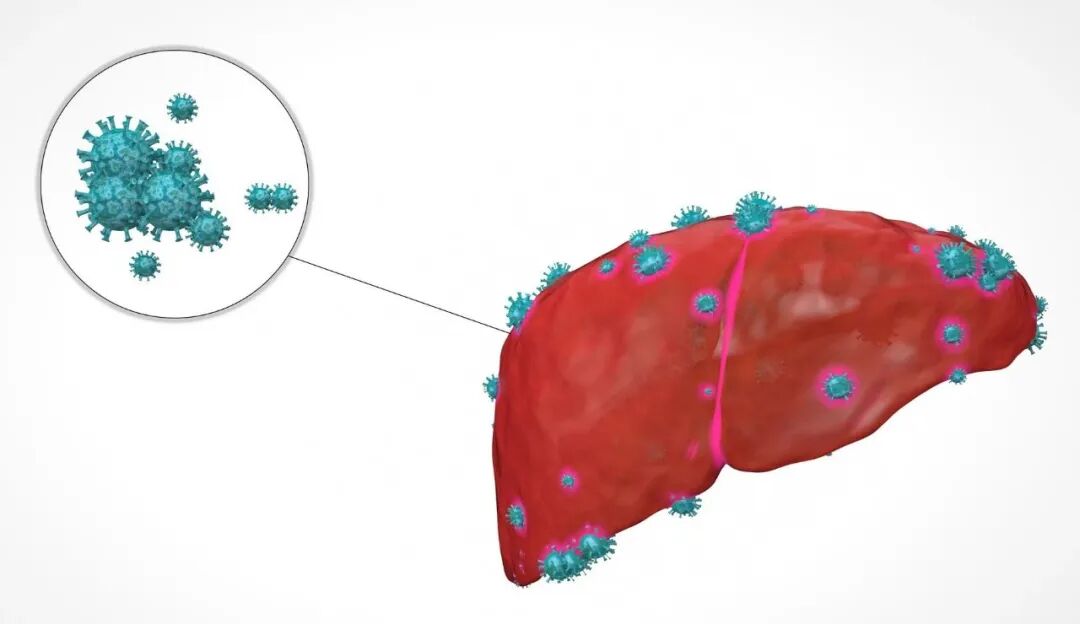
Patient aspect

The severer the degree of cirrhosis, the higher the risk of postoperative recurrence; infection with hepatitis B virus increases the risk of postoperative recurrence; diabetes increases the risk of postoperative recurrence.


03            
Treatment aspect

Insufficient surgical resection or improper surgical technique can increase the risk of postoperative recurrence.



Although the recurrence rate of liver cancer after surgery is high and there are many influencing factors, scientific and effective postoperative adjuvant therapy can reduce the risk of postoperative recurrence.


So, in today's rapidly developing science, is there a method that can provide such patients with long-term and stable treatment effects? Let's take a look at the treatment process of Mr. Yan and see what insights we can gain.


01              


Disease Overview              

Overview of the illness


Treatment History


On January 19, 2015, the patient reported discomfort in the upper abdomen for 2 days. Abdominal CT scan revealed a low-density mass lesion in the lower segment of the right lobe of the liver, measuring approximately 6.1*6.2*6.9 cm. After enhancement, the lesion showed rapid enhancement and rapid washout, suggesting a tumor lesion. The patient then sought medical attention at a hospital.            

           
On January 26, 2015, the patient underwent "laparoscopic resection of the right posterior liver segment (including parts of segments Ⅴ, Ⅵ, Ⅶ, and Ⅷ) + cholecystectomy". Postoperative pathology: (right liver) poorly differentiated hepatocellular carcinoma. After surgery, the patient was treated with the oral medicine "Huai'er Granules" for strengthening the body's resistance and consolidating the foundation.            

           
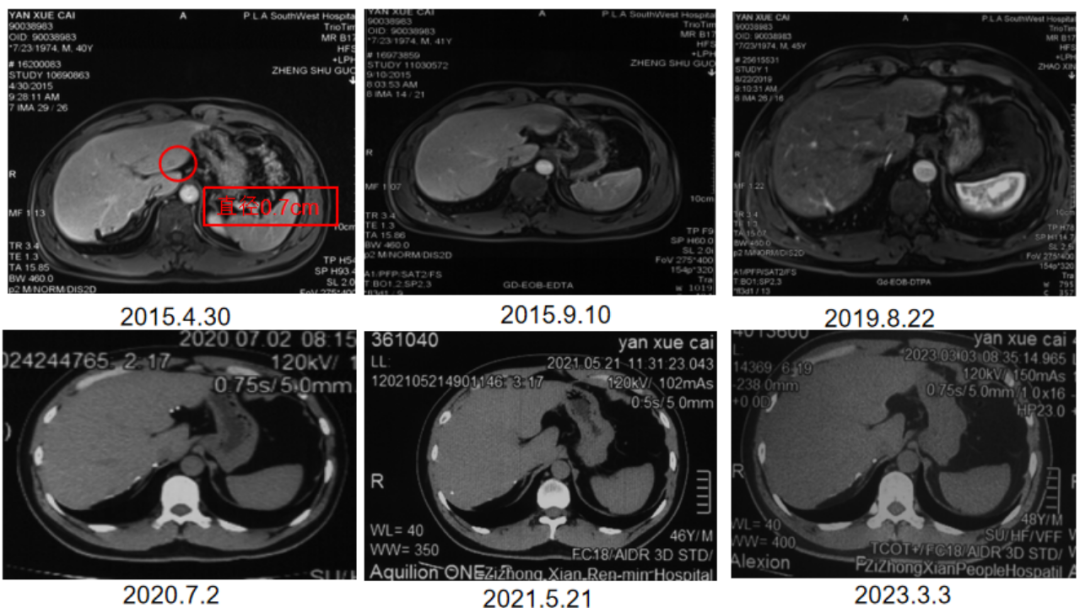
On April 28, 2015, a follow-up MRI of the upper abdomen showed: postoperative changes in the right liver, with a small nodule measuring 0.7cm in the third segment of the liver, suggesting recurrence of liver cancer. AFP: 211.5ng/ml↑.            

           
On May 7, 2015, a "laparoscopic left liver cancer resection" was performed. Postoperative pathology: moderately differentiated hepatocellular carcinoma of the left liver. Postoperative treatment included oral administration of the detoxifying and analgesic drug "Huachansu Capsules".            

           
On September 7, 2015, MRI examination revealed: small nodules in segment V of the liver after liver cancer surgery, with EBO-MRI indicating recurrence of liver cancer. AFP: 155.3ng/ml↑.            

           
On September 18, 2015, a "laparoscopic resection of recurrent hepatocellular carcinoma in the right liver" was performed. Postoperative pathology: moderately differentiated hepatocellular carcinoma of the liver.


After experiencing two recurrences, Mr. Yan and his family were deeply worried. Considering the high likelihood of another recurrence, they sought medical advice from various sources, hoping to find a treatment method that could effectively control the tumor over the long term. Later, upon a friend's recommendation, Mr. Yan and his family learned about Professor Zhang Minghui's vNKT cell therapy technology at Tsinghua University School of Medicine and got in touch with us.


After reviewing Mr. Yan's medical records, Professor Zhang Minghui made the following second diagnosis and treatment suggestion for Lehexin Hospital:      

   
1. The main reason for the short-term recurrence is that the patient's tumor was relatively large at the time of initial treatment, and no effective adjuvant therapy was given after surgery. Currently, the patient has experienced two recurrences. If only surgical resection is relied upon again, recurrence is inevitable. Therefore, adjuvant therapy should be actively administered after surgery to achieve the goals of delaying postoperative recurrence, extending the patient's survival, and improving the patient's prognosis.      

   
2. Current postoperative adjuvant therapy typically involves pharmacological treatments such as targeted therapy, chemotherapy (transcatheter arterial chemoembolization, TACE), and immunomodulatory agent therapy. These treatments often exert effective killing and inhibitory effects on tumor cells in the short term, but drug resistance cannot be avoided, thus failing to achieve long-term efficacy. Additionally, they have significant side effects, potentially causing damage to the immune system, hematopoietic system, and organ functions, making them less than ideal as postoperative adjuvant therapies.      

     
3. vNKT therapy can utilize powerful immune cells to eliminate residual or newly emerging tumor cells, and can reconstruct the immune microenvironment, with essentially no side effects. After completing surgical treatment, the tumor burden is reduced, making it the optimal intervention time for treatment. vNKT therapy can effectively reduce the risk of recurrent and newly emerging tumors, making it highly suitable as the primary treatment method for Mr. Yan's subsequent treatment.      


vNKT cell immunotherapy            


NKT cells (Natural killer T cells), are a special T cell subset with both T cell receptor (TCR) and NK cell receptor on the cell surface. They possess important characteristics of both NK cells and T cells, with the dual ability to recognize tumor cells nonspecifically and specifically, and can rapidly kill tumor cells. Among the NKT cell subsets, there is a larger and more potent special type of soldier discovered by the experimental team led by Professor Zhang Minghui of Tsinghua University, namely vNKT (Variant Natural Killer T) cells.

           
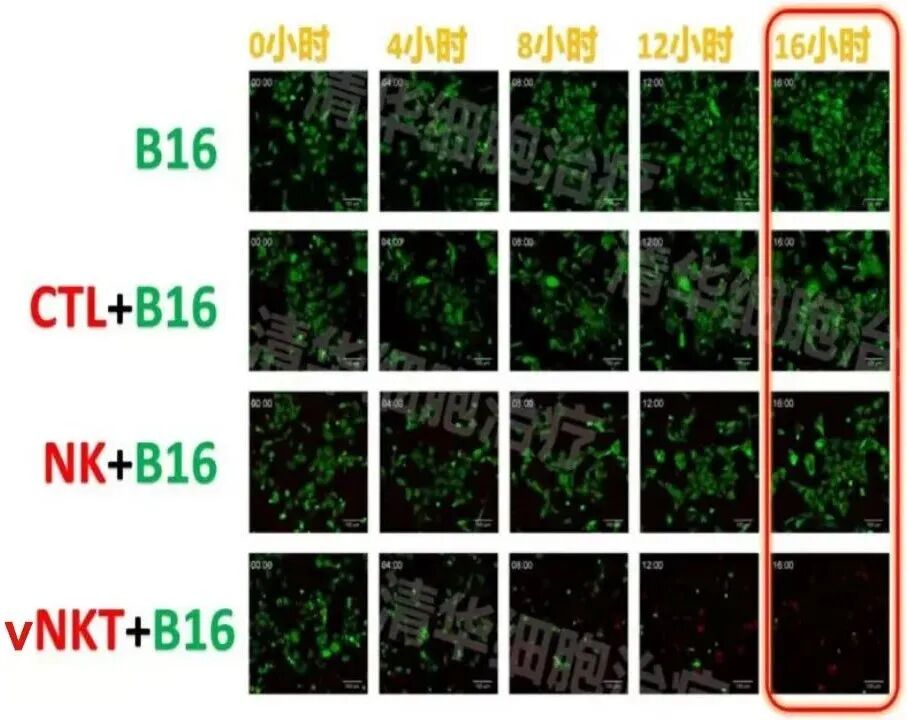
The population of vNKT cells in the body is very small and they are not easily activated. However, once activated, they can effectively eliminate tumor cells that may remain undetected in the body. Additionally, research has found that vNKT cells exhibit a dual anti-tumor effect. Not only can they directly kill cancer cells, but they also modulate the immune microenvironment within tumor tissues, killing inhibitory immune cells known as MDSCs, breaking tumor immune evasion, rebuilding the normal immune system, and further preventing recurrence and metastasis.            


Experimental conditions: In the presence of vNKT cells, after 16 hours, nearly all B16 tumor cells were killed!

Professor Zhang introduced vNKT treatment technology and the treatment outcomes of previous cases in detail to Mr. Yan and his family, and provided detailed answers to Mr. Yan's questions. After thorough communication, he finally obtained the unanimous approval of Mr. Yan and his family. Starting from November 2015, vNKT cell immunotherapy was adopted, and 35 courses were completed by March 2023. Currently, the patient's condition is stable with no signs of recurrence or metastasis. The patient is in good mental state, with good appetite and sleep, and a good quality of life.


02            


Changes in tumor markers 

Tumor markers


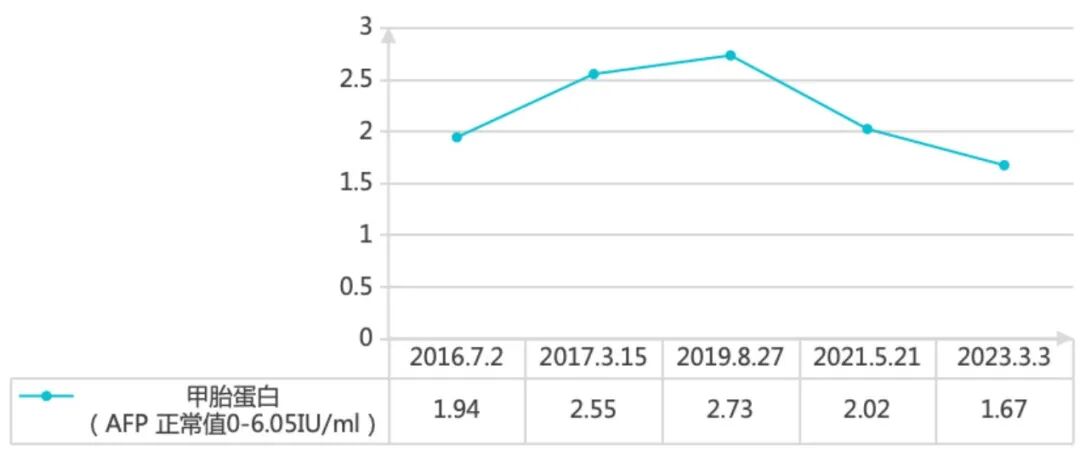
From July 2016 to March 2023, the AFP levels were within the normal range during follow-up examinations.        


03                


Imaging changes 

Imaging  changes                


Abdominal MRI showed: changes after partial resection of the left and right lobes of the liver and cholecystectomy in April 2015, with a new ring-shaped enhancing nodule lesion detected in S5 during a follow-up examination in September 2015, suggesting a possible recurrence. No significant changes were observed compared to previous findings. Follow-up examinations from August 2019 to March 2023 showed no signs of tumor recurrence or metastasis after partial resection of the left and right lobes of the liver and cholecystectomy.


04            


Conclusion and Comments

Conclusion and Commentary


Postoperative recurrence is the most concerning issue for all patients with malignant tumors who undergo surgical treatment, and it is also the greatest obstacle to achieving tumor cure. All tumor surgeries carry a certain degree of recurrence risk, especially for tumors that are discovered at a late stage, are large, or have a high degree of malignancy. When Mr. Yan discovered his liver cancer, the tumor was already 6cm in size. Although he underwent timely surgical treatment, he experienced two recurrences within a short period of time.      

     
After the second recurrent surgery, Mr. Yan learned from the lessons of previous treatment failures and actively sought effective postoperative adjuvant therapy. After scientific analysis and comparison, he ultimately chose to undergo vNKT cell therapy. The treatment has been successfully sustained for nearly 9 years, achieving ideal therapeutic effects. In this process, vNKT cell immunotherapy played an indispensable role in reducing the risk of recurrence and metastasis, providing patients with the possibility of achieving long-term tumor stability or even cure.      


Zhang Minghui  Founder of Lehexin Medical, Doctor of Immunology, Tsinghua University School of Medicine
Since the discovery of vNKT cells in 2002, Professor Zhang Minghui's research team has been engaged in research for over 20 years, accumulating treatment experience from over 700 cases of solid tumors, covering almost all common solid tumors. The research results fully demonstrate the great value of vNKT in the treatment of solid tumors.


It is suitable for postoperative patients with high malignant potential or a risk of recurrence; patients whose tumors have been largely controlled but not cured through conventional treatments such as chemotherapy, radiotherapy, and targeted therapy; and patients who continue to have high carcinogenic factors. If these patients do not undergo effective follow-up treatment after traditional anti-tumor therapy, the probability of tumor recurrence, metastasis, or reoccurrence will be high. In this case, vNKT cell therapy is an ideal follow-up treatment method that can significantly improve patient prognosis.            


References:

[1] CONCORD Working Group. Global surveillance of trends in cancer survival 2000-14 (CONCORD-3): analysis of individual records for 37,513,025 patients diagnosed with one of 18 cancers from 322 population-based registries in 71 countries[J]. Lancet, 2018; 391(10125):1023-75.

[2]MURAI H, KODAMA T, MAESAKA K, et al. Multiomics identifies the link between intratumor steatosis and the exhausted tumor immune microenvironment in hepatocellular carcinoma[J]. Hepatology, 2023, 77(1): 77-91. DOI: 10.1002/hep.32573

[3]HILL A, OLUMBA F, CHAPMAN W. Transplantation for hepatocellu⁃ lar carcinoma[J]. Surg Clin North Am, 2024, 104(1): 103-111. DOI: 10.1016/j.suc.2023.09.002.

[4]KARDASHIAN A, FLORMAN SS, HAYDEL B, et al. Liver transplanta⁃ tion outcomes in a U.S. multicenter cohort of 789 patients with hepa⁃ tocellular carcinoma presenting beyond Milan criteria[J]. Hepatol⁃ ogy, 2020, 72(6): 2014-2028. DOI: 10.1002/hep.31210.

[5]CHOI J, JO C, LIM YS. Tenofovir versus entecavir on recurrence of hepatitis B virus-related hepatocellular carcinoma after surgical resec⁃ tion[J]. Hepatology, 2021, 73(2): 661-673. DOI: 10.1002/hep.31289.


Written by: Liu Peng        
Reviewed by: Qiao Jiacheng, Wang Ying, Gao Chen        
Edited/typeset by Zhang Jiao


Professor Zhang Minghui of Tsinghua University has always harbored the great aspiration of "a world without illness". The Lehe New Medicine team he established has over 20 anti-cancer science popularization groups, dedicated to providing a patient-centered platform for patients to exchange and support each other. Whether you are newly diagnosed, troubled by side effects, unsure how to choose a treatment plan, want to share experiences and insights, or simply pour out your heart, you are welcome here!


There are professional experts giving lectures and enthusiastic group members for communication within the group. Moreover, you have the opportunity to use free and mature immunotherapy techniques. Join me and let's embrace a happy and healthy life together in the group!




Want to know more about comprehensive treatment suggestions for liver cancer
Welcome to the Lehe New Medical Liver Cancer Exchange Group


Lian
is a
Me     
       
Scan QR code        
Communication with Professor Zhang Minghui's team        


Click on the image to view past exciting content


Reposting is a driving force, sharing is a virtue