About Lehe
乐于心,和与众,与己乐,与人和; 心宽念纯,百病无生。


乐于心,和与众,与己乐,与人和; 心宽念纯,百病无生。

▲Click on the blue text to follow us
Primary intrahepatic cholangiocarcinoma (ICC) is a rare malignant liver tumor with a low incidence rate, but it has shown an increasing trend in recent years, posing a serious threat to people's lives and health. The early symptoms of ICC are not obvious and are easily overlooked, so by the time it is diagnosed, the disease is often at an advanced stage and the condition is more severe. The aggressive biological characteristics of ICC make the tumor prone to metastasis, affecting treatment outcomes. Complete surgical resection is the most effective treatment for cholangiocarcinoma, but less than 20% of patients are eligible for resection, and even with radical resection, the 5-year survival rate is only 20% to 35%[1]. Therefore, exploring a novel treatment approach to improve patient survival rates and quality of life holds significant scientific and clinical value.
Ms. Zhang, a patient with cholangiocarcinoma, underwent surgery, chemotherapy, and PD-1 therapy, followed by vNKT cell therapy in a timely manner, achieving a high-quality survival of 4 years. vNKT cells played a key role in Ms. Zhang's treatment process.
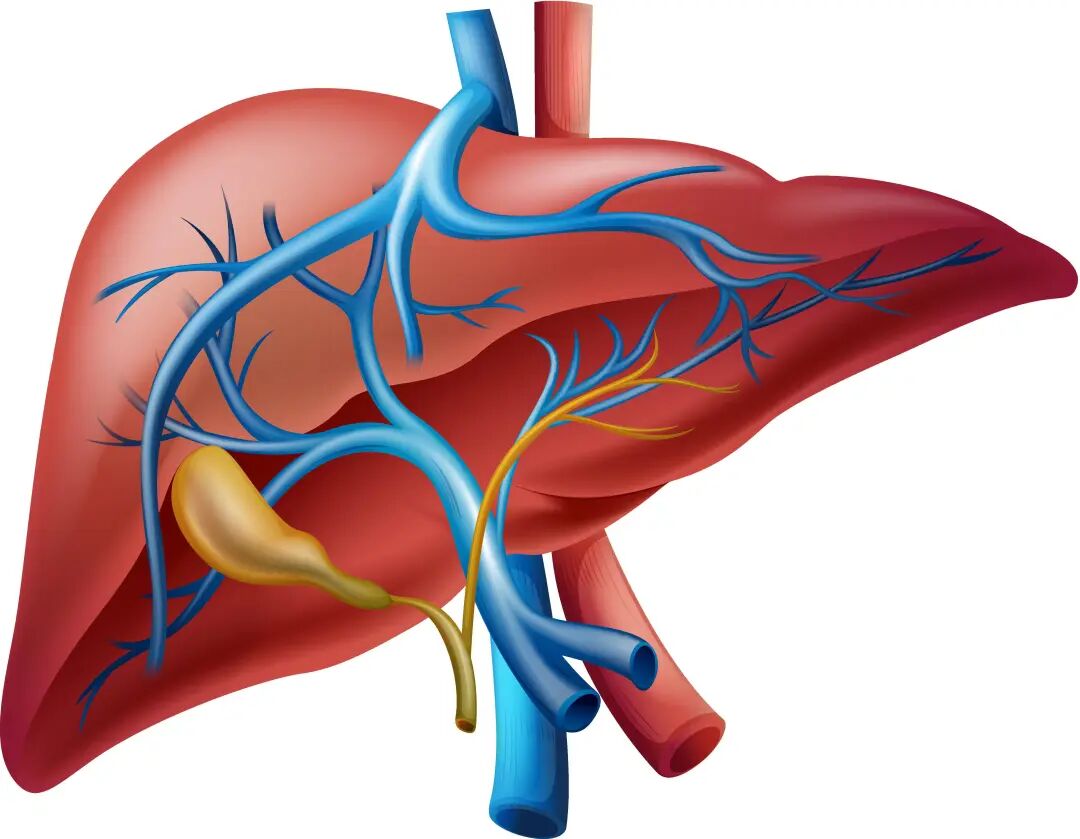
Disease Overview
Ms. Zhang was unfortunately diagnosed with hepatocellular carcinoma in July 2020. On July 27, 2020, she underwent left hemihepatectomy and cholecystectomy. Postoperative pathology revealed poorly differentiated cholangiocellular carcinoma with extensive necrosis in the left liver, measuring 6.0×5.0×4.0 cm in size, vascular invasion (+), and multiple lymph node metastases. Postoperative staging was T1N1MOIIIB. She underwent four cycles of gemcitabine plus temozolomide chemotherapy, with the addition of lenvatinib in the second cycle, which led to biliary leakage and subsequent discontinuation. Subsequently, she received pembrolizumab immunotherapy.
Although surgery, chemotherapy, and PD-1 immunotherapy have somewhat controlled the disease, Ms. Zhang remains deeply concerned about the potential further progression of the tumor, given the risks indicated by the comprehensive pathology. Faced with this serious challenge, Ms. Zhang and her family are actively seeking the best treatment plan to overcome the illness.
Excellent Combination of Comprehensive Treatment and vNKT Cell Therapy
After learning about the successful cases of Professor Zhang Minghui's vNKT therapy team in the treatment of solid tumors at Tsinghua University School of Medicine, Ms. Zhang is particularly eager to try this novel treatment method to reduce the risk of future metastasis and recurrence. After comprehensive evaluation by the Lehe New Medical team, the following second diagnosis and treatment opinions were provided:
1. Low-differentiated cholangiocellular carcinoma, with high malignancy, fortunately, Ms. Zhang still has the opportunity for surgical resection.
2. Postoperative pathology indicates the presence of vascular cancer thrombus and multiple lymph node metastases, posing a high risk of recurrence and metastasis.
3. Postoperative conventional chemotherapy can kill residual tumor cells to some extent, but due to Ms. Zhang's thin and weak constitution, the side effects and drug resistance of chemotherapy are not suitable for long-term treatment.
4. At this stage, vNKT cells serve as the rear guard, compensating for the previously intolerable chemotherapy, clearing residual tumor cells from the body, and achieving long-term stability.
5. Adopting traditional Chinese medicine treatment to regulate the body and enhance immunity: Traditional Chinese medicine employs the principles of holistic concept and syndrome differentiation to address issues such as abdominal distension and indigestion, fundamentally regulating spleen and stomach functions. Simultaneously, practicing health preservation techniques such as Guolin New Qigong and Baduanjin can help strengthen the constitution and immunity.
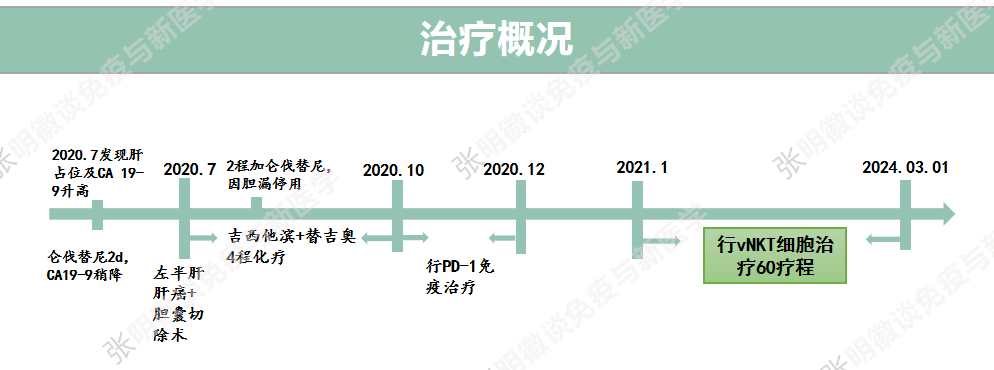
Ms. Zhang commenced vNKT cell therapy on January 5, 2021, initially following a regimen of 2 courses per month, which was later adjusted to 1 course every 3 weeks. By March 1, 2024, she had completed 60 courses.
Conclusion and Comments
Ms. Zhang's quality of life has significantly improved. She is in excellent mental condition, feels more energetic and vigorous than before, and has returned to her pre-illness state. She leads a normal life and works without being affected by the disease. Ms. Zhang has achieved the expected results after undergoing vNKT cell therapy, and the latest assessment remains stable with no progression observed.
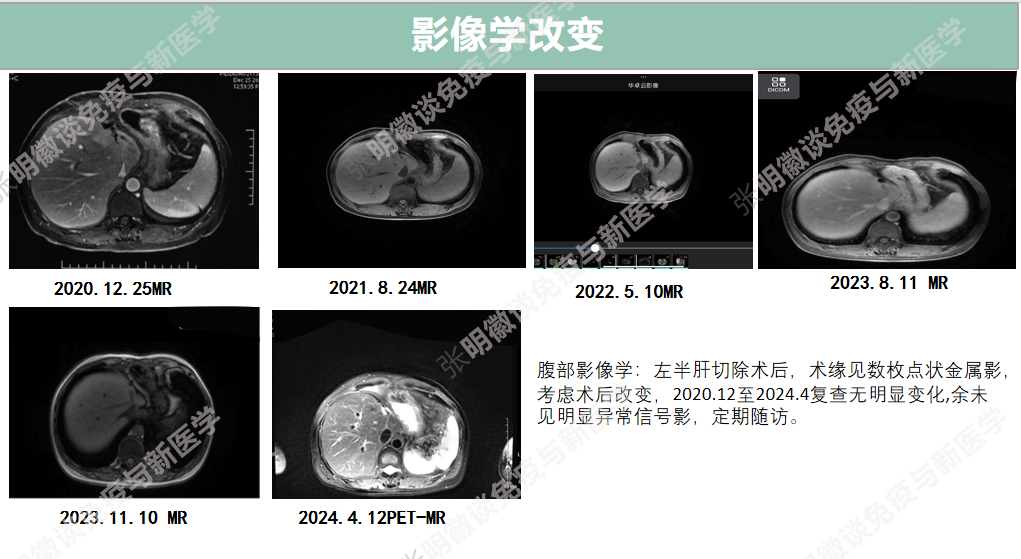
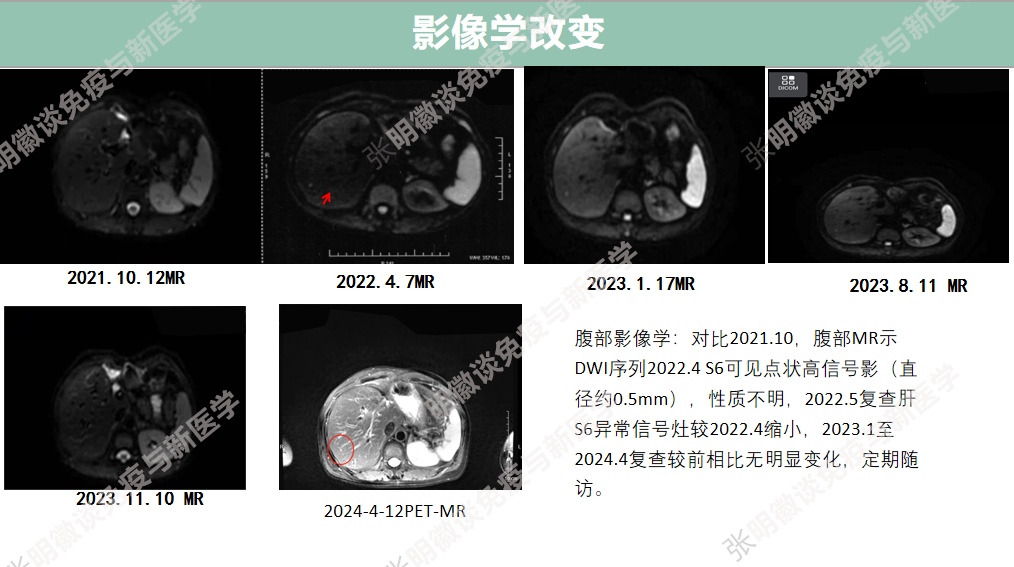
Immunotherapy is considered one of the most promising directions in cancer treatment, and Ms. Zhang's case serves as a good illustration of this. Ms. Zhang's tumor is highly malignant, posing a high risk of postoperative recurrence. With radical surgery, the five-year survival rate is only 20% to 35%. However, after comprehensive treatment, she has successfully survived for four years and is about to break through the five-year cure mark.
In this process, vNKT cell immunotherapy played an indispensable role in reducing the risk of recurrence and metastasis. It not only eliminates residual tumor cells but also strengthens the immune system, enabling patients to achieve long-term stability.
Reference source:
[1] GAO Z, WANG J, SHEN S, et al. The impact of preoperative biliary drainage on postoperative outcomes in patients with malignant obstructive jaundice: A retrospective analysis of 290 consecutive cases at a single medical center [J]. World J Surg Oncol, 2022, 20(1): 7.

Contact Us
Scan the QR Code
to communicate with Professor Zhang Minghui's team
Written by: Zhao Tuantuan
Reviewed by: Wang Ying, Qiao Jiacheng
Edited/typeset by: Zhao Tuantuan

Address: Room 1101 (Unit 101), 11th Floor, Building 1, No. 7 Courtyard, Kexueyuan Road, Life Science Park, Changping District, Beijing
Phone:010-8265 9866
Email:lehemedneo@hotmail.com