Contact Us Careers
Lung Cancer

Having survived lung cancer for 4 years, I've learned a valuable lesson: if you miss this opportunity, recurrence and metastasis will become inescapable companions

时间:2026-03-26 人气:

"It's been completely removed, why did it still metastasize?"


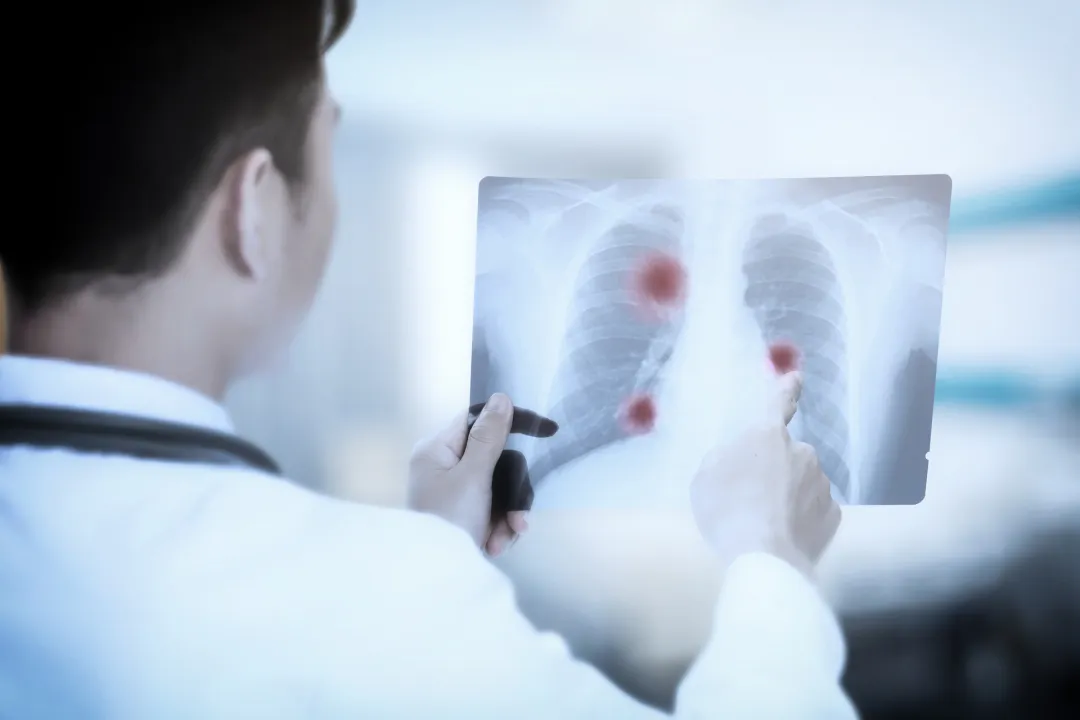
This is the heart-wrenching question asked by countless cancer patients after experiencing recurrence and metastasis. Ms. Wang also went through such a process. In 2020, she was diagnosed with lung cancer due to coughing. After successfully completing surgery and chemotherapy, Ms. Wang thought everything had settled down. However, one and a half years after surgery, she developed abdominal metastasis. Having gone through the ordeal of two major surgeries and chemotherapy, she once despaired.
图片


Although surgery removed visible tumors, it was unable to eliminate residual cancer cells. Ms. Wang's experience is precisely due to the neglect of immune loopholes during the postoperative window period. 37, 38, 39, 40, 41, 42, 43, 44, 45, 46, 47, 48, 49, 50, 51, 52, 53, 54, 55, 56, 57, 58, 59, 60, 01, 61, 62, 63, 64, 65, 66 67, 68, 69, 70, 71, 72, 73, 74, 75, 76, 77, 78, 79, 80, 81, 82, 83, Overview 84, 85, 86, 87, 88, 89, 90, Overview of the illness 91, 92, 93, 94 95, 96, 97, 98


September 2020: Due to cough and shortness of breath, the patient was diagnosed with non-small cell lung cancer via bronchoscopy and underwent radical surgery for lung cancer. Postoperative pathology: considered intestinal adenocarcinoma with vascular thrombus and lymph node metastasis, . Postoperative chemotherapy was administered for 4 courses.

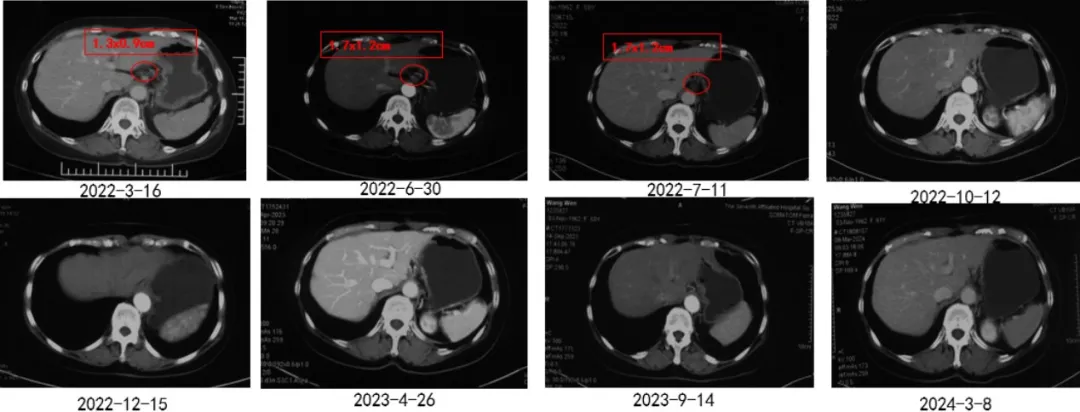
July 2022: Only 1.5 years after surgery, chest and abdominal CT scans revealed multiple enlarged lymph nodes on the lesser curvature of the stomach and in the retroperitoneum, with the greatest enlargement on the lesser curvature of the stomach (approximately 17x12mm), showing increased size compared to previous scans and the appearance of necrotic areas. considered metastasis . Secondary resection of abdominal lesions was performed, and postoperative pathology revealed metastatic adenocarcinoma in lymph nodes, , in groups 1, 3, and 7 (1/5), and in lymph nodes adjacent to the abdominal aorta (1/1).


图片


Key turning point: Before fully recovering from the first radical surgery for lung cancer, the patient underwent exploratory laparotomy to remove metastatic tumors. These two major surgeries had severely impacted Ms. Wang, who is 60 years old. If further metastasis occurred, she would not be able to withstand the surgical trauma.

Lehe and second diagnosis and treatment suggestions


After abdominal metastasis, Ms. Wang learned about Professor Zhang Minghui's vNKT cell immunotherapy through a patient support group. After evaluation by the Lehe New Medical team, the following second diagnosis and treatment suggestions were given:


1. The pathology of the first radical resection for lung cancer had already indicated potential risks - vascular tumor thrombus and lymph node metastasis suggesting a risk of systemic micrometastasis; coupled with the continuous impact of postoperative chemotherapy on the immune system, these factors collectively led to the explosive progression of abdominal metastasis.

2. Although the second surgery removed visible lesions in the abdominal cavity, multiple sets of lymph node metastases (group 1/3/7 1/5, para-aortic 1/1) remained like ticking time bombs. At this time, due to surgical trauma, the patient's immune function was severely depleted, making it difficult to tolerate the combined harm of chemotherapy and radiotherapy.

3. At this time, timely follow-up with vNKT cell therapy can eliminate residual cancer cells and activate the immune system, effectively reducing the risk of recurrence and metastasis.

4. As a natural immune cell, vNKT cell has fewer side effects. For patients like Ms. Wang with a weakened immune system, this is not only the optimal solution for tumor control but also a crucial turning point for achieving long-term survival with tumor.

. Therefore, Ms. Wang started vNKT therapy in October 2022 (one course per month) and has completed 26 courses so far. Imaging shows no new metastasis, with a survival period exceeding 4 years, and her physical strength has recovered to the point where she can engage in daily activities.


vNKT cell immunotherapy


NKT cells (Natural killer T cells), are a special T cell subset with both T cell receptor (TCR) and NK cell receptor on the cell surface. They possess the important characteristics of both NK cells and T cells, with the dual ability to recognize tumor cells nonspecifically and specifically, and can rapidly kill tumor cells. Among the NKT cell subsets, there is a larger and more potent special type of soldier, discovered by the experimental team led by Professor Zhang Minghui of Tsinghua University, namely vNKT (Variant Natural Killer T) cells.


§65 This group of vNKT cells is very scarce in the body and is not easily activated. However, once activated, they can easily defeat numerous tumor cells that may remain undetected in the body. Additionally, research has found that vNKT cells have a dual anti-tumor effect. Not only can they directly kill cancer cells, but they can also regulate the immune microenvironment within tumor tissues, kill inhibitory immune cells (MDSCs), break down tumor immune evasion, rebuild the normal immune system, and further prevent recurrence and metastasis.

图片

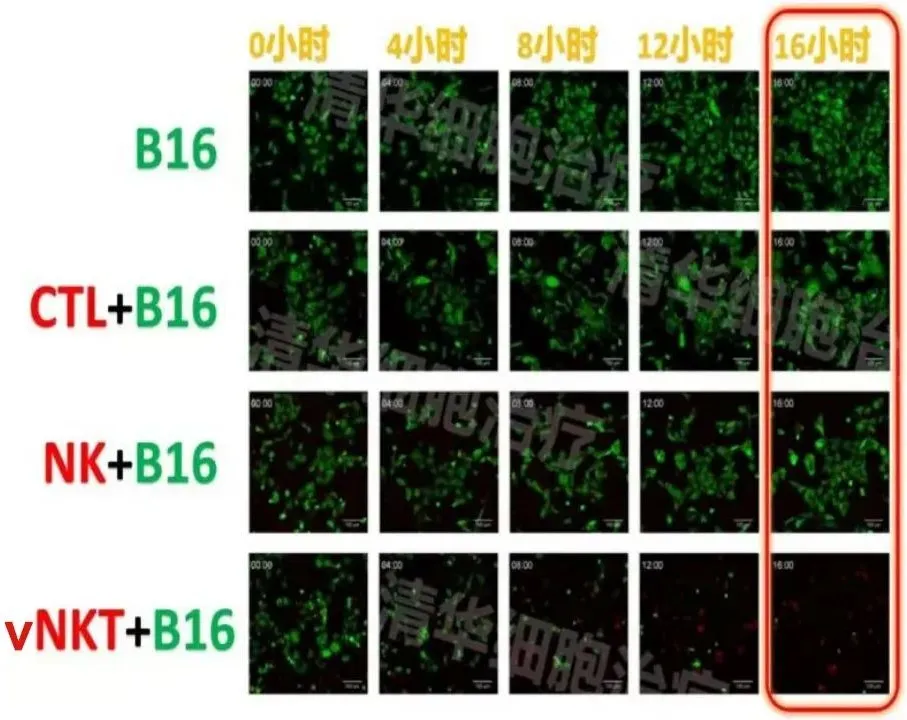
§73 Experimental conditions: In the presence of vNKT cells, after 16 hours, almost all B16 tumor cells were killed!


02


Imaging changes 

Imaging  changes
图片


On March 16, 2022, an abdominal CT scan revealed suspicious small lymph nodes in the lesser curvature of the stomach, measuring approximately 1.3x0.9cm in size. On June 30, 2022, a follow-up scan showed that the lymph nodes in the lesser curvature of the stomach had enlarged compared to previous scans, measuring approximately 1.7x1.2cm in size, and necrotic areas were present, suggesting metastasis. On July 11, 2022, a follow-up scan showed no significant changes in the lymph nodes in the lesser curvature of the stomach compared to the scan on June 30, 2022, suggesting metastatic tumors. From October 12, 2022, to March 8, 2024, follow-up scans showed no significant changes compared to the scan on July 11, 2022, but caution is advised for future follow-ups. On October 22, 2020, a chest CT scan revealed a mass-like consolidation shadow with associated streaks (4.8x4.0cm) in the left lower lung;


The follow-up examination on November 9, 2020, revealed a round solid lesion with associated streaks (4.6x3.8cm) in the left lower lung. From March 16, 2022, to March 8, 2024, the follow-up examination showed changes after left lower lung lobectomy, with no signs of metastasis in the chest. From March 16, 2022, to March 8, 2024, the follow-up examination showed changes after left lower lung lobectomy, with no signs of metastasis in the chest. From March 16, 2022, to March 8, 2024, the follow-up examination showed changes after left lower lung lobectomy, with no signs of metastasis in the chest. From March 16, 2022, to March 8, 2024, the follow-up examination showed changes after left lower lung lobectomy, with no signs of metastasis in the chest. From March 16, 2022, to March 8, 2024, the follow-up examination showed changes after left lower lung lobectomy, with no signs of metastasis in the chest. From March 16, 2022, to March 8, 2024, the follow-up examination showed changes after left lower lung lobectomy, with no signs of metastasis in the chest. From March 16, 2022, to March 8, 2024, the follow-up examination showed changes after left lower lung lobectomy, with no signs of metastasis in the chest. From March 16, 2022, to March 8, 2024, the follow-up examination showed changes after left lower lung lobectomy, with no signs of metastasis in the chest. From March 16, 2022, to March 8, 2024, the follow-up examination showed changes after left lower lung lobectomy, with no signs of metastasis in the chest. From March 16, 2022, to March 8, 2024, the follow-up examination showed changes after left lower lung lobectomy, with no signs of metastasis in the chest. From March 16, 2022, to March 8, 2024, the follow-up examination showed changes after left lower lung lobectomy, with no signs of metastasis in the chest. From March 16, 2022, to March 8, 2024, the follow-up examination showed changes after left lower lung lobectomy, with no signs of metastasis in the chest. From March 16, 2022, to March 8, 2024, the follow-up examination showed changes after left lower lung lobectomy, with no signs of metastasis in the chest. From March 16, 2022, to March 8, 2024, the follow-up examination showed changes after left lower lung lobectomy, with no signs of metastasis in the chest. From March 16, 2022, to March 8, 2024, the follow-up examination showed changes after left lower lung lobectomy, with no signs of metastasis in the chest. From March 16, 2022, to March 8, 2024, the follow-up examination showed changes after left lower lung lobectomy, with no signs of metastasis in the chest. From March 16, 2022, to March 8, 2024, the follow-up examination showed changes after left lower lung lobectomy, with no signs of metastasis in the chest. From March 16, 2022, to March 8, 2024, the follow-up examination showed changes after left lower lung lobectomy, with no signs of metastasis in the chest. From March 16, 2022, to March 8, 2024, the follow-up examination showed changes after left lower lung lobectomy, with no signs of metastasis in the chest. From March 16, 2022, to March 8, 2024, the follow-up examination showed changes after left lower lung lobectomy, with no signs of metastasis in the chest. From March 16, 2022, to March 8, 2024, the follow-up examination showed changes after left lower lung lobectomy, with.

§97 Fighting cancer is not about passively receiving treatment, but actively managing risks. Instead of waiting for recurrence in worry and fear, it's better to hold the decision-making power of life in your own hands.

Don't let the illusion of healing become a breeding ground for recurrence!


Professor Zhang Minghui pointed out that the best time for Ms. Wang's vNKT treatment is after her first surgery. At this time, the tumor burden is at its lowest, but the lymphocytes (such as vNKT and CD8+ T cells) in the blood are sharply reduced due to surgery and chemotherapy, and the immune system is in a "paralyzed" state, allowing cancer cells that have broken through into the blood and lymph to metastasize. If Ms. Wang receives timely treatment after her first surgery, she can reduce the risk of recurrence and avoid a second surgery.


Under traditional treatment, the 5-year survival rate for lung adenocarcinoma with lymph node metastasis is about 50%. Ms. Wang has been tumor-free for 4 years after surgery, and her physical strength and infection frequency have improved, confirming the long-term benefits of immunotherapy.

She has spent 4 years verifying a truth: Cancer treatment is never just about removing the tumor. Surgery is the starting point, but immune restoration is the end goal.


On the road to fighting cancer, you are not alone

Lehehuanyou Group: This is a communication and interaction platform specially built for patients. Here, everyone shares treatment experiences, disease knowledge, interacts with each other, helps each other, and jointly conquers the illness.

This is not only a community full of positive energy, where people gather to keep each other warm and encourage each other, but also a warm harbor. The topics that patients discuss here are not only about diseases, but also about blessings, greetings, exciting news shared, and even some interesting stories, encouragement, and comfort in life.

Join the Lehe Patient and Friend Group to embark on a warm journey!


图片
Lian
Xi
Wo
Men

Add Lehe Little Assistant, join the Lehe Patient and Friend Group


图片

Zhang Minghui

Lehe New Medicine Founder


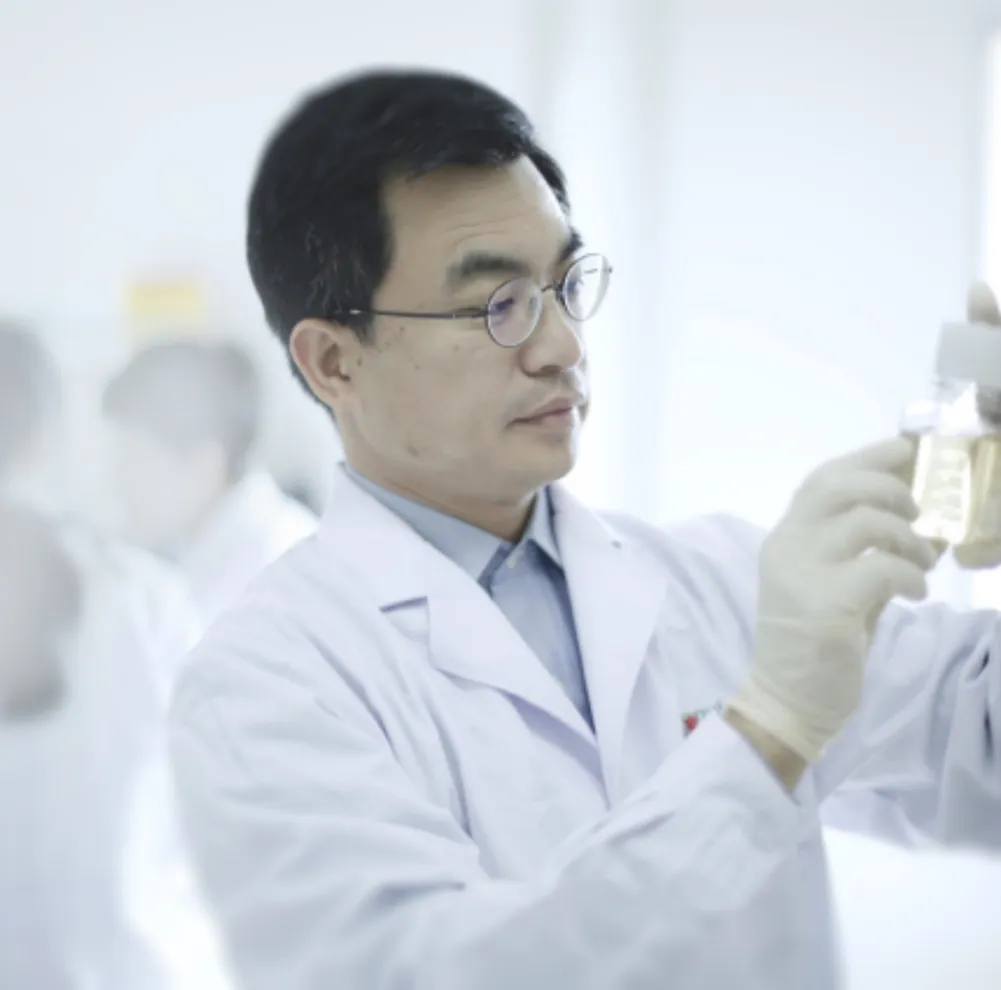
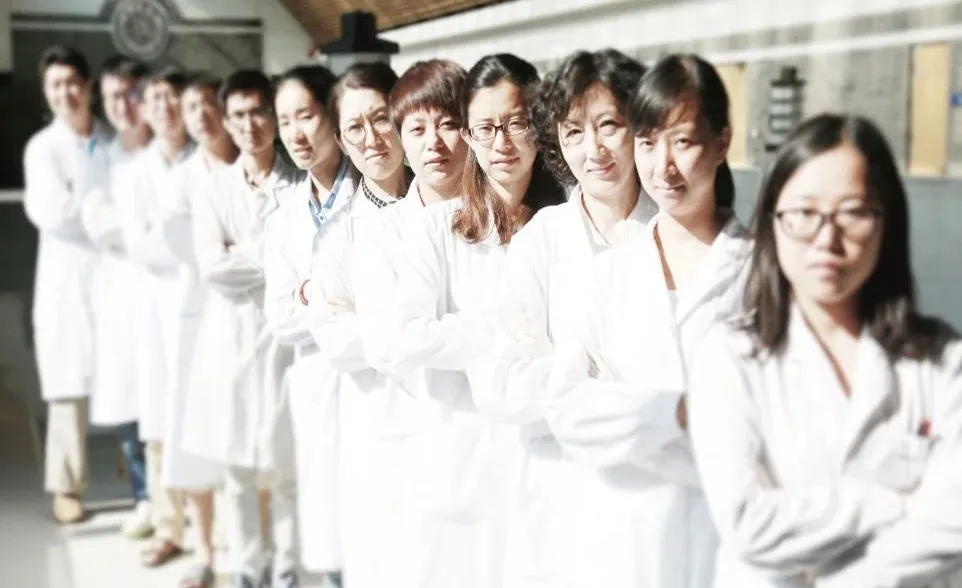
Professor Zhang Minghui, who holds a PhD in Immunology from Tsinghua University School of Medicine, has led a research team for over 20 years since the discovery of vNKT cells in 2002. They have accumulated treatment experience in over 700 cases of solid tumors, covering almost all common solid tumors. The research results fully demonstrate the great value of vNKT cells in the treatment of solid tumors.

图片


Applicable to patients with high pathological malignancy or at risk of recurrence after surgery; patients whose tumors have been basically controlled but not cured through conventional treatments such as chemotherapy, radiotherapy, and targeted therapy; patients with persistent high carcinogenic factors; and patients intolerant to radiotherapy and chemotherapy. These patients, if not effectively treated with subsequent therapies after traditional anti-tumor treatments, are likely to experience recurrence, metastasis, or reoccurrence of tumors. In such cases, vNKT cell therapy is an ideal subsequent treatment method, which can significantly improve patient prognosis.


Written by: Yizhituan
Reviewed by: Qiao Jiacheng, Wang Ying, Gao Chen
Edited/typeset by: Zhang Jiao


下一篇:没有了