About Lehe
乐于心,和与众,与己乐,与人和; 心宽念纯,百病无生。


乐于心,和与众,与己乐,与人和; 心宽念纯,百病无生。



It is often said that "the stomach is the loudspeaker, while the liver is the mute". As the largest organ in the human body, the liver usually works like an "honest person" who "keeps silent" and goes about its business, making it difficult for people to notice when it becomes ill. Studies have found that about 70% to 80% of liver cancer patients are diagnosed at an advanced stage, with a five-year survival rate of only 14.1% [1]. This also results in liver cancer ranking second in the list of tumor-related deaths in China, although it does not rank among the top three most common malignant tumors in terms of incidence rate [2].
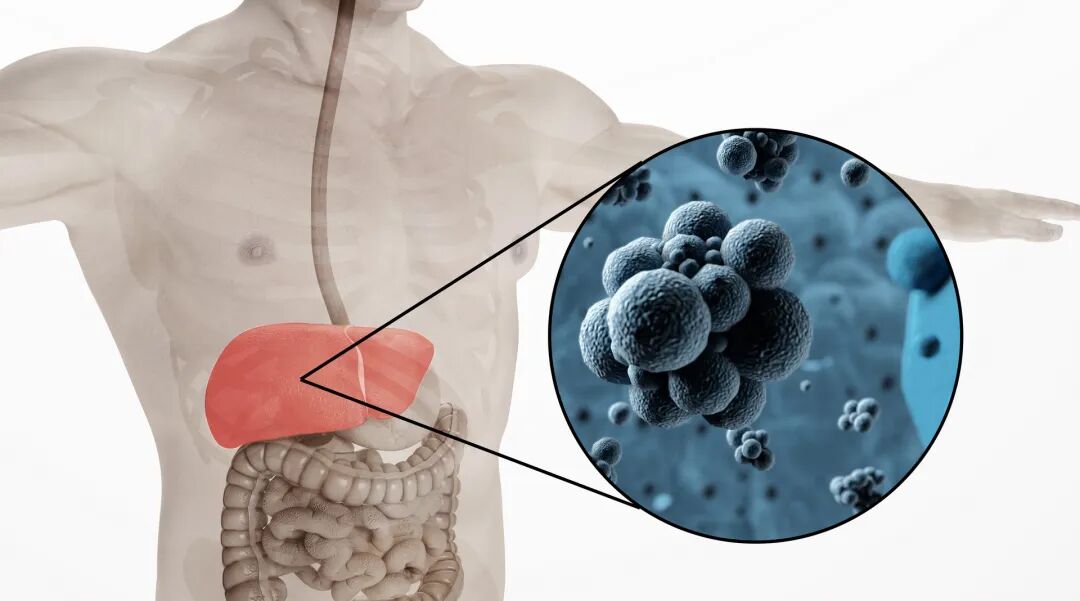
After New Year's Day in 2015, Mr. Yang went to the hospital due to stomach discomfort. He initially thought it was caused by drinking too much alcohol during the holidays and that he could just take some medication and go home. However, the diagnosis of "liver cancer" tore a hole in his life.
Mr. Yang was diagnosed with liver cancer, and the prognosis was not optimistic:
a nearly 7-centimeter tumor, CT scan showed a low-density mass occupying the lower segment of the right liver lobe measuring 6.1cm*6.2cm*6.9cm, with tumor marker AFP >800ng/ml.
Right liver low-differentiated hepatocellular carcinoma, underwent laparoscopic resection of the right liver lobe (including parts of segments V, VI, VII, and VIII) plus cholecystectomy. Postoperative pathology showed: right liver low-differentiated hepatocellular carcinoma.
Low-differentiated hepatocellular carcinoma often indicates a high degree of malignancy and generally progresses rapidly. It cannot replace the function of normal liver cells.
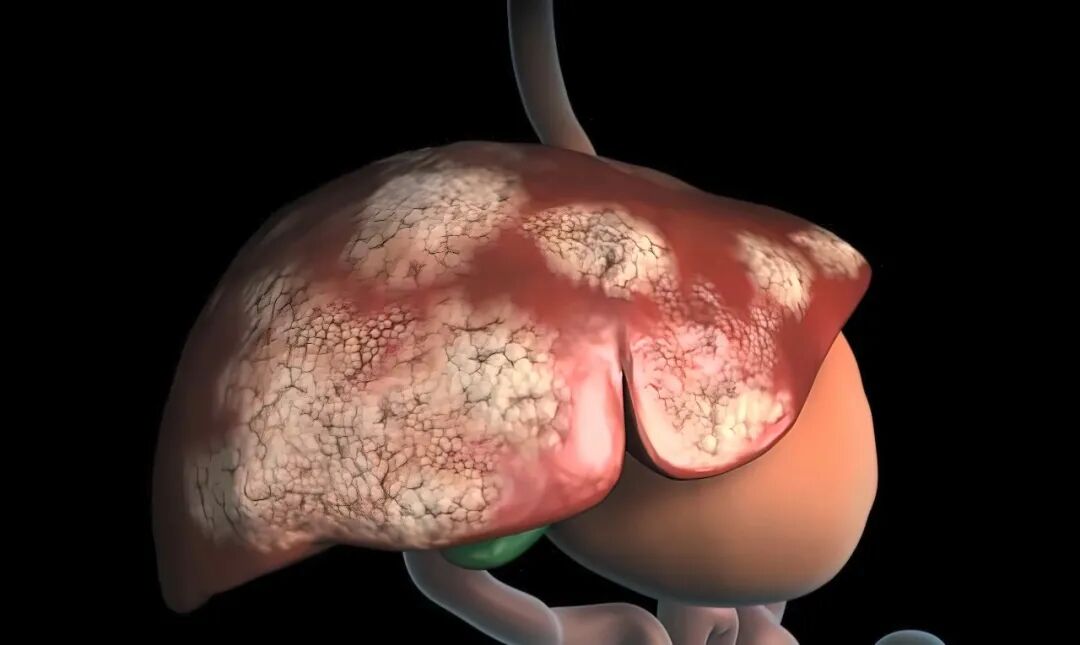
Overview of the illness
For patients with liver cancer, the end of treatment is not the end.
Mr. Yang underwent surgery in January 2015 and recovered for three months. In April, a follow-up MRI of the upper abdomen showed postoperative changes in the right liver, with a small nodule measuring 0.7cm in the third segment of the liver, suggesting recurrence of liver cancer. AFP: 211.5ng/ml↑.
Mr. Yang didn't know how many more times his body could withstand the torment of relapse. He stumbled upon vNKT cell therapy on his phone, which became the last straw he could cling to at that time.
After extensive research, Mr. Yang contacted Professor Zhang Minghui. After evaluating his condition, it was determined that postoperative adjuvant therapy was essential to better improve the patient's prognosis. In 2015, when treatment options for advanced liver cancer were limited, Lehe New Medical team considered that conventional drugs had low efficacy and could potentially cause adverse reactions such as drug resistance and side effects, making them an unsatisfactory postoperative adjuvant therapy. Therefore, Lehe New Medical team proposed a plan to incorporate vNKT cell therapy into postoperative adjuvant therapy.
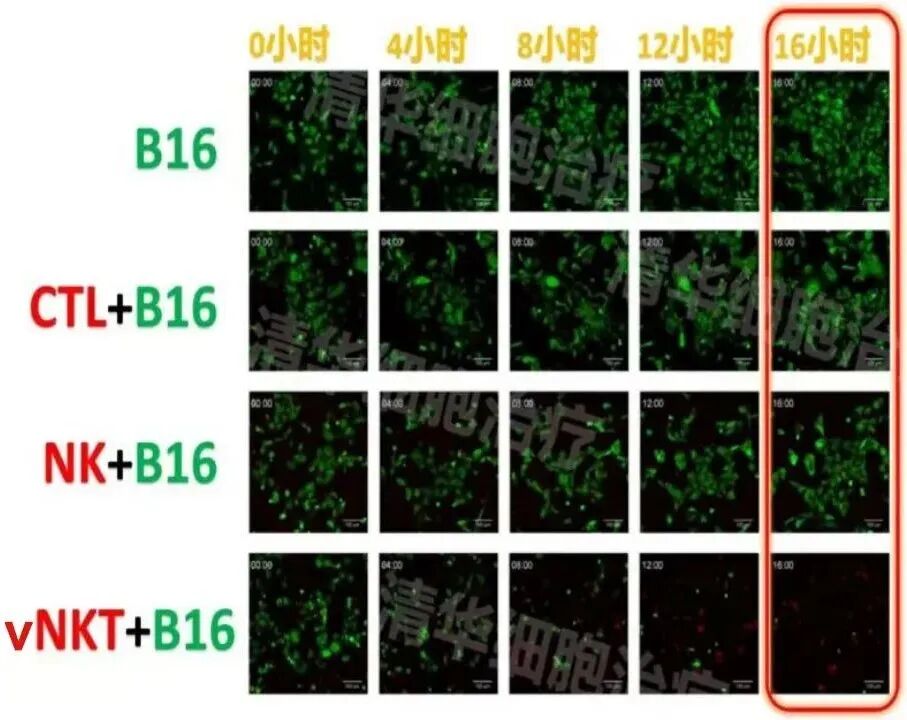
Experimental conditions: In the presence of vNKT cells, after 16 hours, nearly all B16 tumor cells were killed!
Imaging
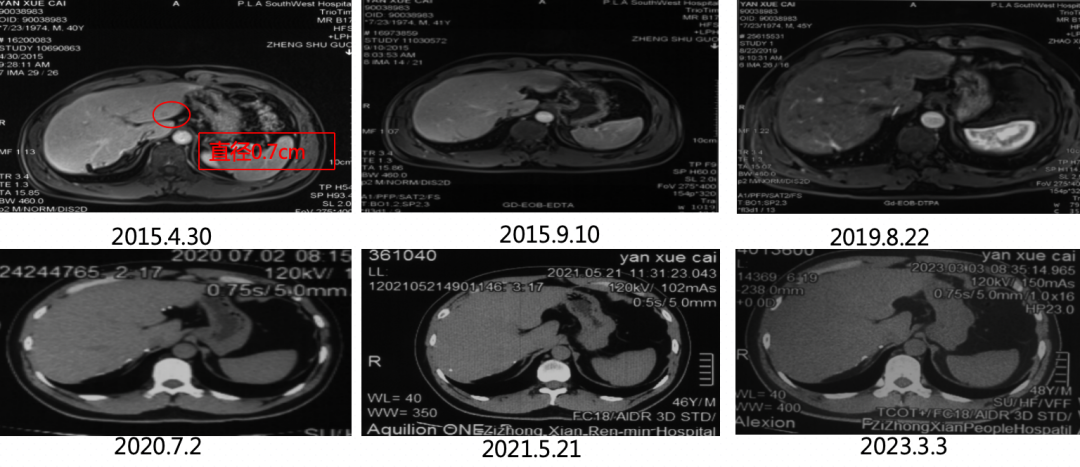
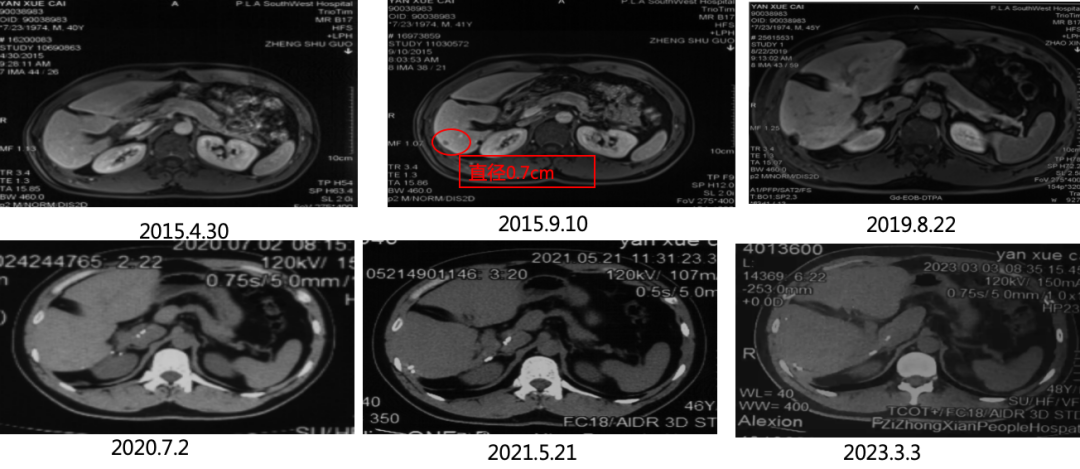
Conclusion and Review< H270>

Scan QR code
Communicate with Professor Zhang Minghui's team

[1] Guidelines for Liver Cancer Screening in Chinese Population (2022, Beijing)
[2] National Health Commission, Medical Administration and Management Bureau of the People's Republic of China. Guidelines for Diagnosis and Treatment of Primary Liver Cancer (2022 Edition)[J]. Chinese Journal of Hepatology, 2022, 30(4): 367-388. doi: 10.3760/cma.j.cn501113-20220413-00193 .
Click on the image to view the exciting content from previous issues


Address: Room 1101 (Unit 101), 11th Floor, Building 1, No. 7 Courtyard, Kexueyuan Road, Life Science Park, Changping District, Beijing
Phone:010-8265 9866
Email:lehemedneo@hotmail.com