About Lehe
乐于心,和与众,与己乐,与人和; 心宽念纯,百病无生。


乐于心,和与众,与己乐,与人和; 心宽念纯,百病无生。


Cancer has topped the list of human causes of death for many years, and its malignancy is already terrifying. However, there is something even more terrifying than having cancer: surgery is not possible; chemotherapy at half-dose is also intolerable; radiotherapy is not applicable ...
The denial of every treatment method is diminishing the patient's hope for survival.
What is even more terrifying than cancer is being incurable. What other options are there? Cancer treatment is not limited to the "three main methods" of , there are many more new therapies waiting for you to learn about.
Overview of the illness
In November 2024, Mr. Chen suddenly experienced hematuria, and underwent MRexamination, which confirmed bladder cancer; PET-CTshowed: thickening of the anterior superior wall of the bladder, local edge calcification, and increased abnormal metabolism; Multiple enlarged hypermetabolic lymph nodes are found in the retroperitoneum, beside the bilateral iliac vessels, on the pelvic wall, and in the bilateral inguinal regions; Considering comprehensively, bladder cancer with multiple lymph node metastases is highly probable.
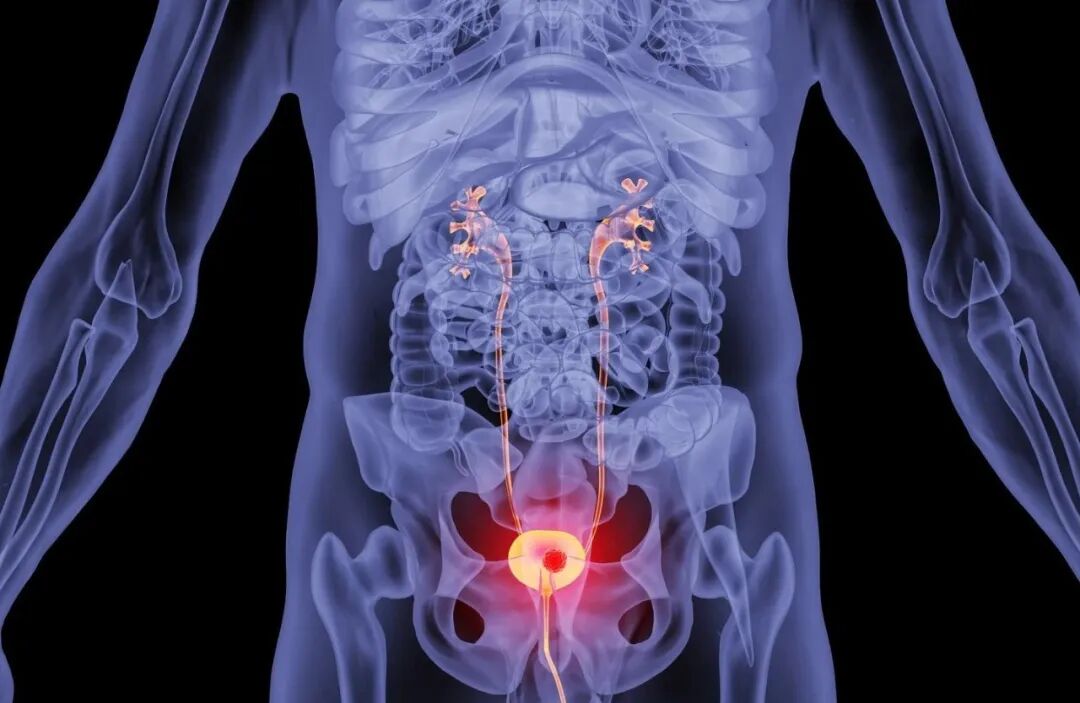
In December 2024, , cystoscopy revealed multiple tumors in the bladder. Solid neoplastic lesions were observed in the trigone, left lateral wall, posterior wall, and dome wall, with sizes ranging from 1-4cm.
Pathological report: (Bladder tumor)Low-differentiated carcinoma, combined with immunohistochemical results, considered as Bladderhigh-grade invasive urothelial carcinoma, no muscularis propria layer found, biopsy tissue limited, please consider clinically.
After Mr. Chen was diagnosed, he had planned to undergo surgery after the Spring Festival in February 2025. However, during the waiting period for the surgery, he suddenly developed a heart problem and had a pacemaker implanted. Considering that Mr. Chen was already 80 years old and had underlying diseases, this made the planned bladder cancer surgery difficult and infeasible.
Helplessly, he had to choose half-dose chemotherapy. However, the day after chemotherapy, Mr. Chen developed high fever 39~40℃, and was diagnosed with nephritis. Emergency anti-inflammatory and fever-reducing treatment was administered . Due to intolerance, Mr. Chen's chemotherapy treatment path was once again blocked.
Currently, radiotherapy is the only remaining option among the three main cancer treatments. However, Mr. Chen's bladder cancer, which is mostly urothelial carcinoma, accounts for 90% of all bladder malignancies, and it belongs to the type of solid tumors that are relatively insensitive to radiotherapy with strong repair capabilities of cancer cells. If radiotherapy is used, higher doses are required to achieve therapeutic effects, but high doses may exacerbate damage to normal tissues, with significant side effects, high recurrence rates, and limited long-term efficacy[1-2]. Therefore, doctors do not recommend radiotherapy.
Case interpretation by Professor Zhang Minghui's team
When conventional cancer treatments fail, can some new drugs and therapies provide patients with more possibilities?Professor Zhang Minghui helps patients find hope in despair.
Mr. Chen's immunohistochemical results provide insights into: CK20(partially +), CK7(+) , CK5/6(focally +), GATA-3(partially +), p63(focally +), HER-2(2+) , NKX3.1(-), Syn(-),
HER-2(2+), This protein is positive, which on the one hand suggests that this bladder cancer patient may have a higher degree of malignancy and a worse survival rate; but from a treatment perspective, if FISH confirms amplification, the patient may benefit from anti-HER-2 targeted drugs.
PDL1(SP263)(CPS:25),indicates that there are 25positive cells per 100 tumor cells, suggesting a high expression of PD-L1in the tumor microenvironment, which may make the tumor cells more sensitive to PD-1/PD-L1inhibitors. This may become another breakthrough in Mr. Chen's treatment.
The mechanisms of action of PD-1inhibitors and PD-L1inhibitors are completely different:
* PD-1 inhibitors
belong to the IgG4 class of antibodies, binding to the activated T cell surface PD-1 protein, tumor tissues contain many lymphocytes, which are blocked by the tumor's PD-L1 molecules, preventing the lymphocytes from functioning normally. At this point, using PD-1 inhibitors reactivates the lymphocytes infiltrating the tumor tissues to kill the tumor. However, once the immune cells are activated, although they can kill the tumor, they may also lead to T cell dysfunction, increasing the risk of potential autoimmune reactions, and resulting in many side effects, such as hypothyroidism, type 1 diabetes, chronic pulmonary fibrosis, myocarditis, and so on. [3-4]
* PD-L1 inhibitors
are antibodies belonging to the IgG1 class, primarily binding to the PD-L1 protein on the surface of tumor cells, thereby promoting the immune system's response to tumor cells, directly killing tumor cells with minimal side effects. [3-4]
In addition to their mechanisms of action, in clinical practice, the therapeutic efficacy of PD-1 and PD-L1 inhibitors varies significantly. PD-1 inhibitors demonstrate a more pronounced overall survival advantage in most cancer types (such as NSCLC, gastric cancer), while PD-L1 inhibitors show superior performance in specific scenarios (such as urothelial carcinoma, combined radiotherapy). Therefore, the choice should be comprehensively considered based on factors such as different tumor types, intervention types, biomarkers, patient comorbidities, and safety.
Conclusion and Review< H486>
After comprehensively analyzing Mr. Chen's condition, Professor Zhang Minghui's Lehexin Medical team believes that PD-L1 inhibitors are more suitable for Mr. Chen's current situation. Combined with the previously mentioned HER-2 targeted drugs, follow-up treatments may include vNKT immune cell therapy, traditional Chinese medicine, etc. Through comprehensive immunotherapy, various immune-related drugs and methods can be used in combination to enhance the treatment effect of complex cancers.
NKT cells (Natural killer T cells) are a special T-cell subset with both T-cell receptor (TCR) and NK cell receptors on their surface. They possess important characteristics of both NK cells and T cells, with the dual ability to recognize tumor cells nonspecifically and specifically, and can rapidly kill tumor cells. Among the NKT cell subsets, there is a larger and more potent special type of soldier, the vNKT (Variant Natural Killer T) cells discovered by the experimental team led by Professor Zhang Minghui at Tsinghua University.
The number of these vNKT cells in the body is very small, and they are not easily activated. However, once activated, they can defeat many enemies with one, killing those tumor cells that may remain undetected in the body. In addition, research has also found that vNKT cells have dual anti-tumor effects. They can not only directly kill cancer cells but also regulate the immune microenvironment within tumor tissues, kill inhibitory immune cells such as myeloid-derived suppressor cells (MDSCs), break the immune escape of tumors, rebuild the normal immune system, and further prevent recurrence and metastasis.
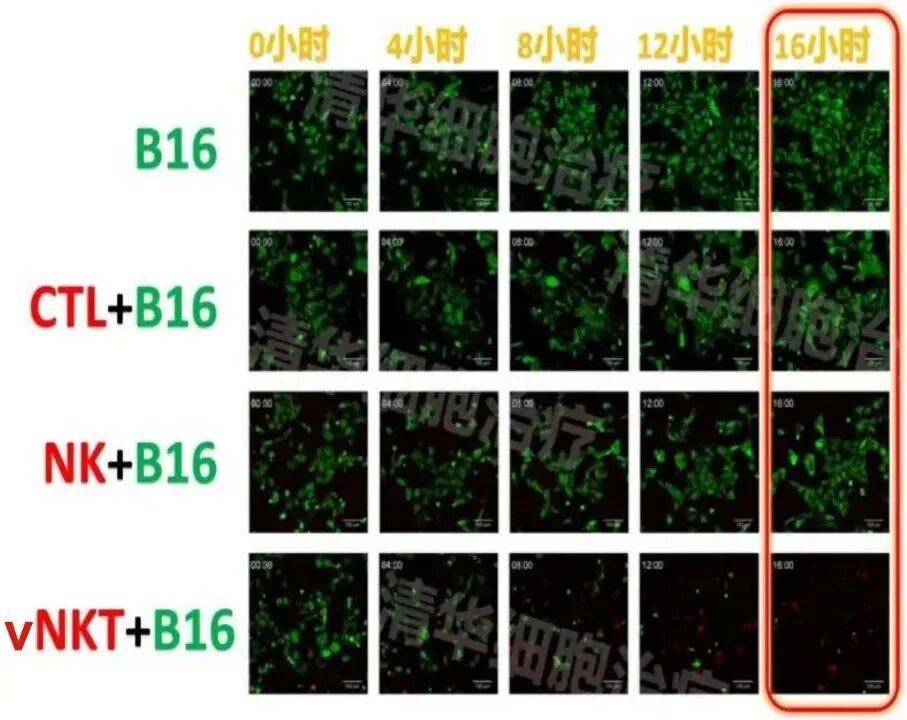
Experimental conditions: In the presence of vNKT cells, after 16 hours, nearly all B16 tumor cells were killed!
[1]Collaborative Group of Urological Oncology, Chinese Cancer Hospital. Chinese Multidisciplinary Consensus on Bladder-Preserving Treatment for Bladder Cancer[J]. Chinese Journal of Cancer, 2022, 44(3):209-218. DOI: 10.3760/cma.j.cn112152-20220113-00035.
[2]Mohamed S. Zaghloul, John P. Christodouleas, et al. Adjuvant Sandwich Chemotherapy Plus Radiotherapy vs Adjuvant Chemotherapy Alone for Locally Advanced Bladder Cancer After Radical Cystectomy. JAMA SURGERY. November 2017 doi:10.1001/jamasurg.2017.4591
[3]Alsaab HO et al. PD-1 and PD-L1 Checkpoint Signaling Inhibition for Cancer Immunotherapy: Mechanism, Combinations, and Clinical Outcome. Front Pharmacol. 2017; 8:561.
[4]Duan J et al. Use of Immunotherapy With Programmed Cell Death 1 vs Programmed Cell Death Ligand 1 Inhibitors in Patients With Cancer: A Systematic Review and Meta-analysis. JAMA Oncol. 2020;6(3):375-384.
If you are experiencing similar treatment difficulties, Professor Zhang Minghui's Lehe New Medical Team[Second Diagnosis and Treatment Opinion]can support personalized treatment plans for you, and professional strength can help you find the most suitable survival strategy.

Scan QR code
Communicate with Professor Zhang Minghui's team
Founder of Lehe New Medicine
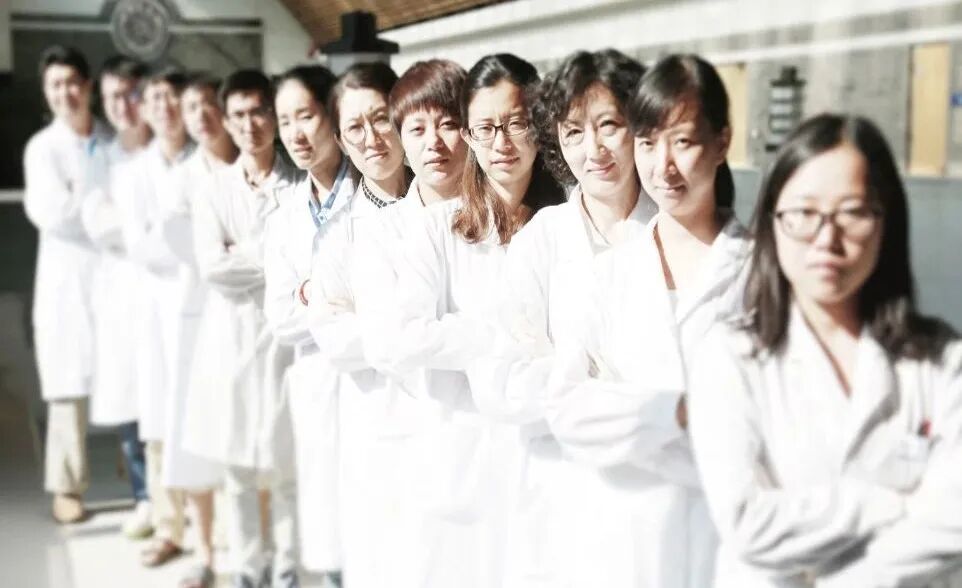
Professor Zhang Minghui, who holds a PhD in Immunology from Tsinghua University School of Medicine, has led a research team for over 20 years since the discovery of vNKT cells in 2002. They have accumulated experience in treating over 700 cases of solid tumors, covering almost all common solid tumors. The research results fully demonstrate the great value of vNKT cells in the treatment of solid tumors.
It is suitable for postoperative patients with high pathological malignancy or a risk of recurrence; patients whose tumors have been basically controlled but not cured through conventional treatments such as chemotherapy, radiotherapy, and targeted therapy; patients with persistent high carcinogenic factors; and patients intolerant to radiotherapy and chemotherapy. If these patients do not receive effective follow-up treatment after traditional anti-tumor therapy, recurrence, metastasis, or reoccurrence of tumors will be highly probable. In this case, vNKT cell therapy is an ideal follow-up treatment method that can significantly improve the prognosis of patients.
Click on the image to view past exciting content



Address: Room 1101 (Unit 101), 11th Floor, Building 1, No. 7 Courtyard, Kexueyuan Road, Life Science Park, Changping District, Beijing
Phone:010-8265 9866
Email:lehemedneo@hotmail.com