About Lehe
乐于心,和与众,与己乐,与人和; 心宽念纯,百病无生。


乐于心,和与众,与己乐,与人和; 心宽念纯,百病无生。



The National Cancer Center released the disease burden of malignant tumors in China in 2022. As of 2022, there were 92,400 new cases of bladder cancer in China, showing an upward trend compared to previous years. It is estimated that by 2040, the number of new cases of bladder cancer will increase to 150,000, posing a serious threat to people's health.

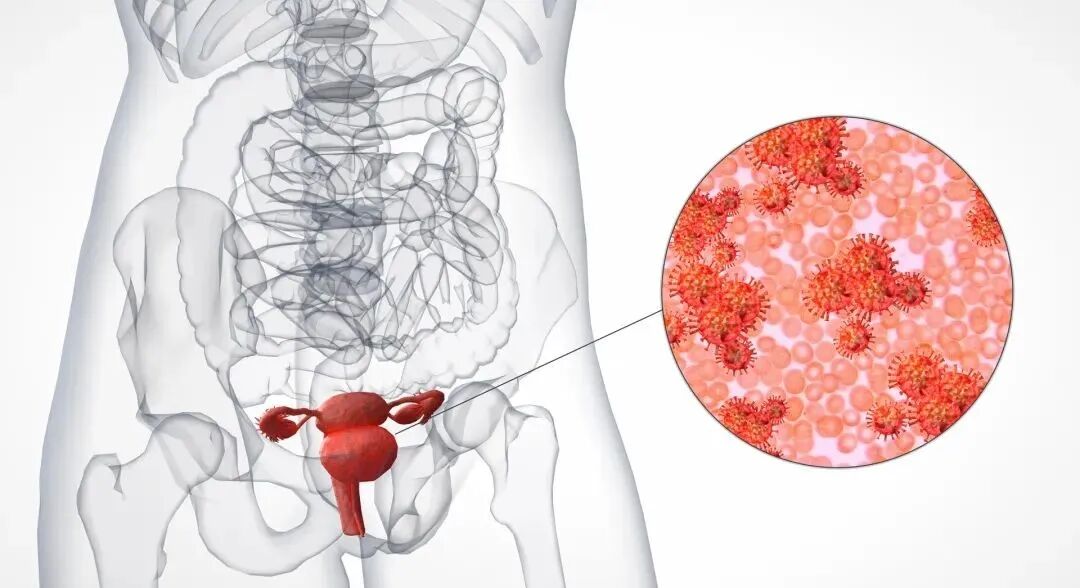
Overview of the illness
Tips
What are vNKT cells?
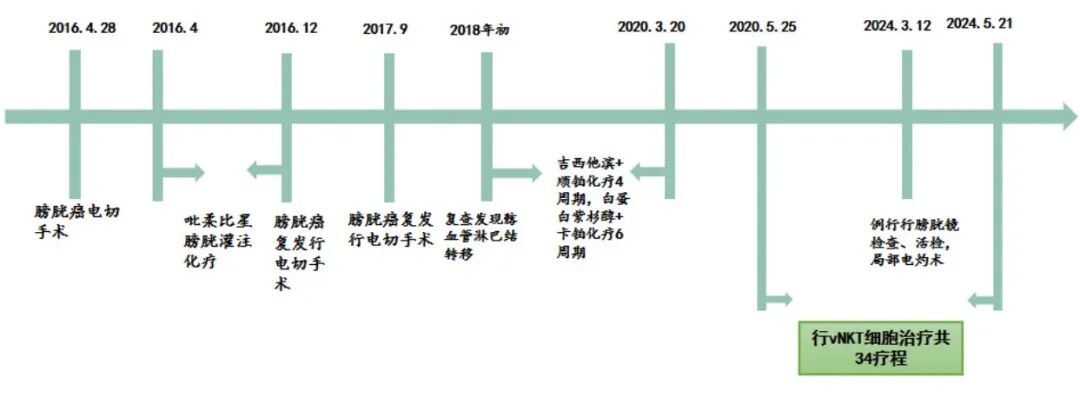
1. The patient promptly discovered the bladder tumor and underwent radical surgery, followed by routine postoperative chemotherapy. Fortunately, the clinical stage was early.
2. However, there were high-risk factors in the pathological results: firstly, the "high-grade tumor" had low differentiation, with more primitive tumor cells, higher atypia, and higher malignancy. Secondly, "vascular thrombi" indicated that cancer cells had infiltrated deep blood vessels, and tumor cells precisely used this method to leave the primary lesion and metastasize to other sites, thus posing a greater risk of recurrence in the future.
3. The traditional surgery + chemotherapy regimen did not effectively solve the problem of recurrence and metastasis. Mr. Xi experienced recurrence after only six months, and despite undergoing three surgeries and two rounds of chemotherapy within two years, the disease remained uncontrolled. This was further evidenced by the recurrence of iliac vascular metastasis. Multiple treatments also brought significant side effects to the body.
4. Therefore, the most important thing for Mr. Xi at this moment is to contain the active cancer cells and prevent recurrence or metastasis. vNKT cell immunotherapy has unique advantages in this regard, as it can kill residual tumor cells, prevent the aggregation of free cancer cells, and effectively reduce the risk of metastasis and recurrence. Furthermore, it has no significant side effects and is patient-friendly.
Conclusion and Commentary
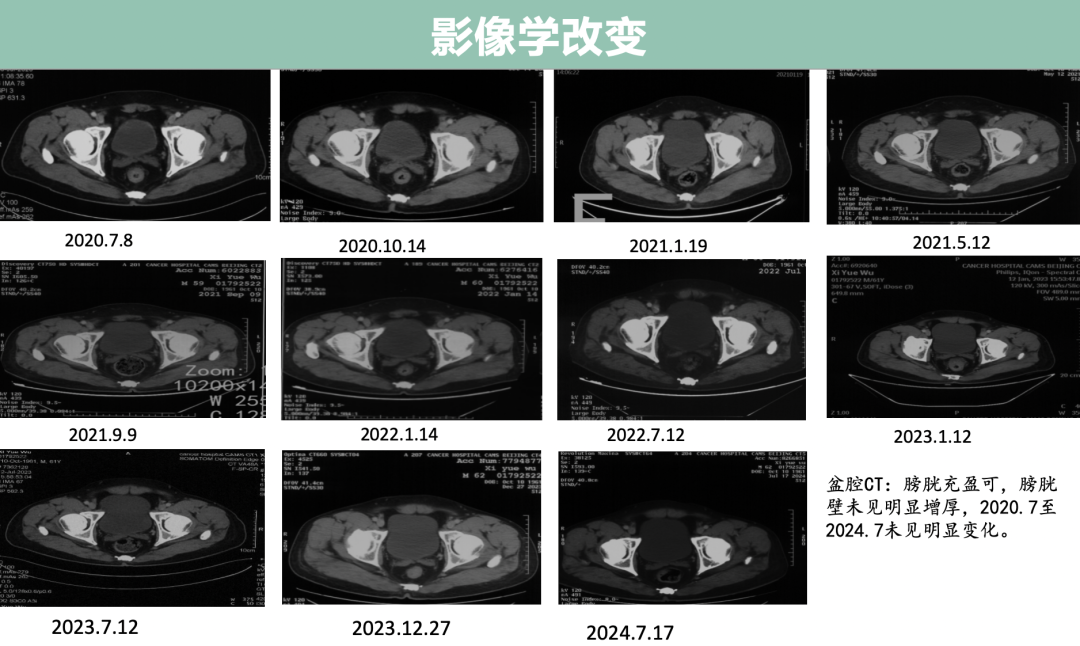
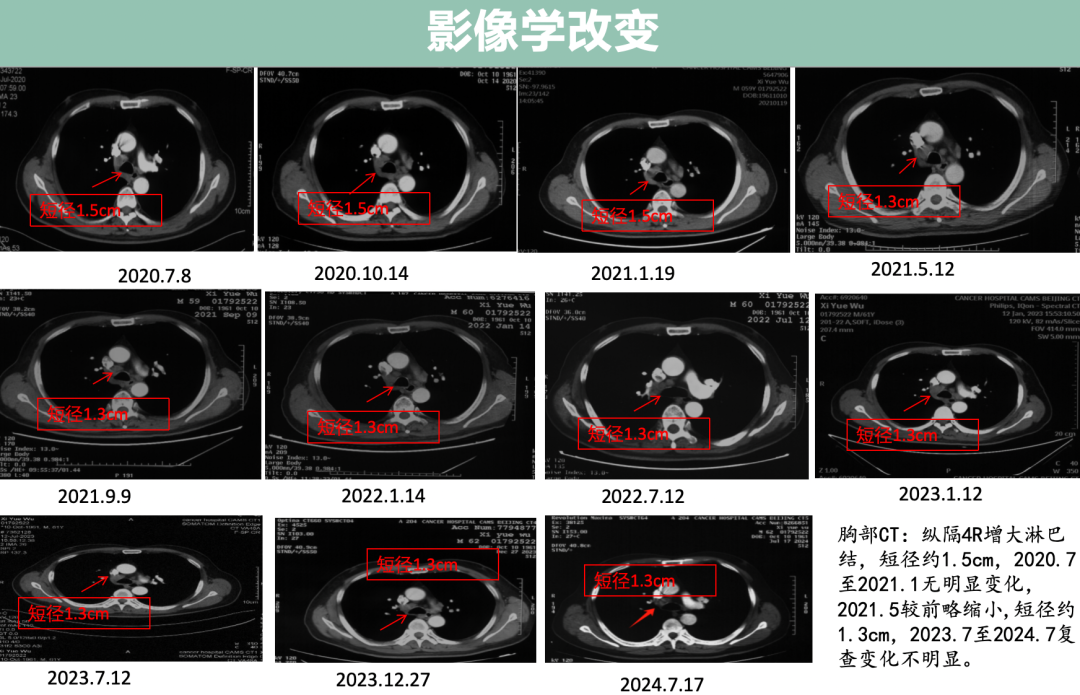
Imaging changes
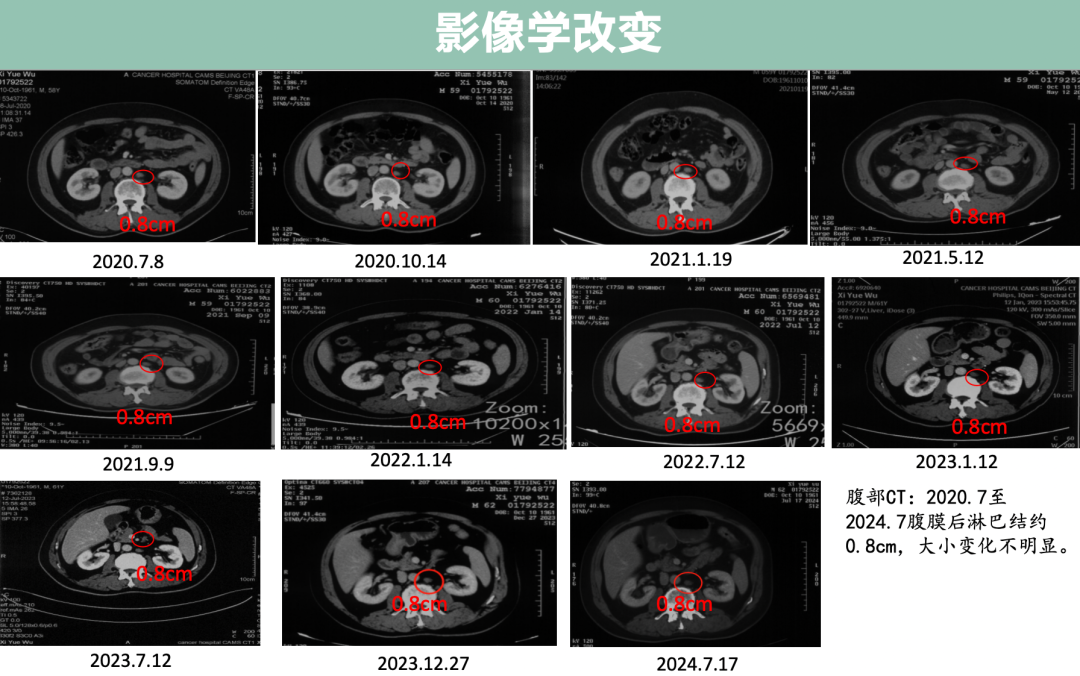
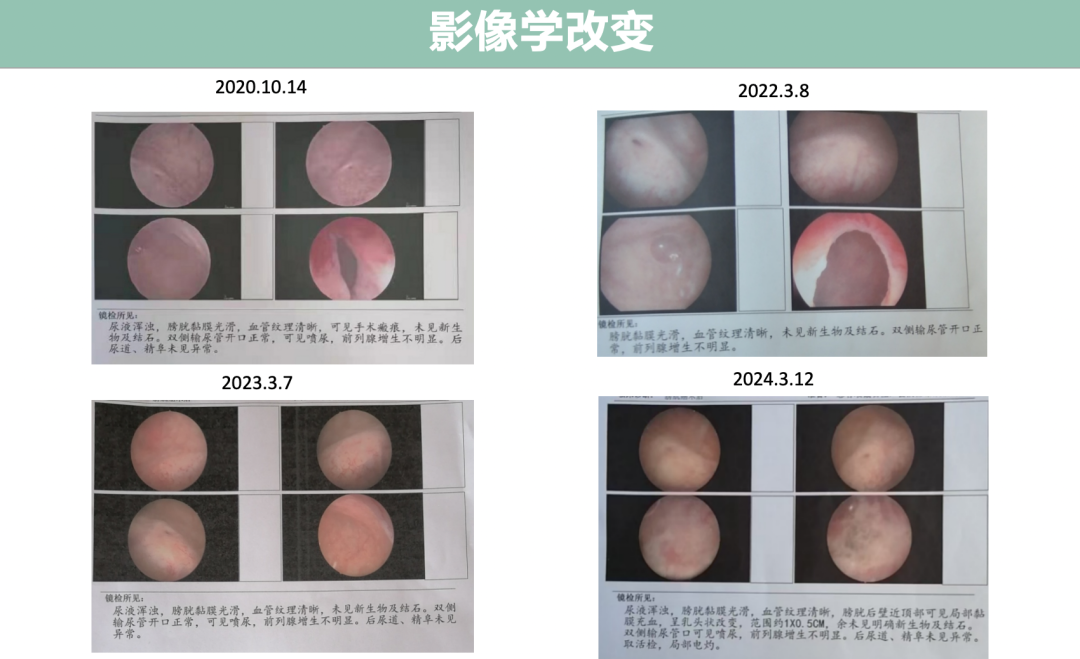
Innovative treatment strategies
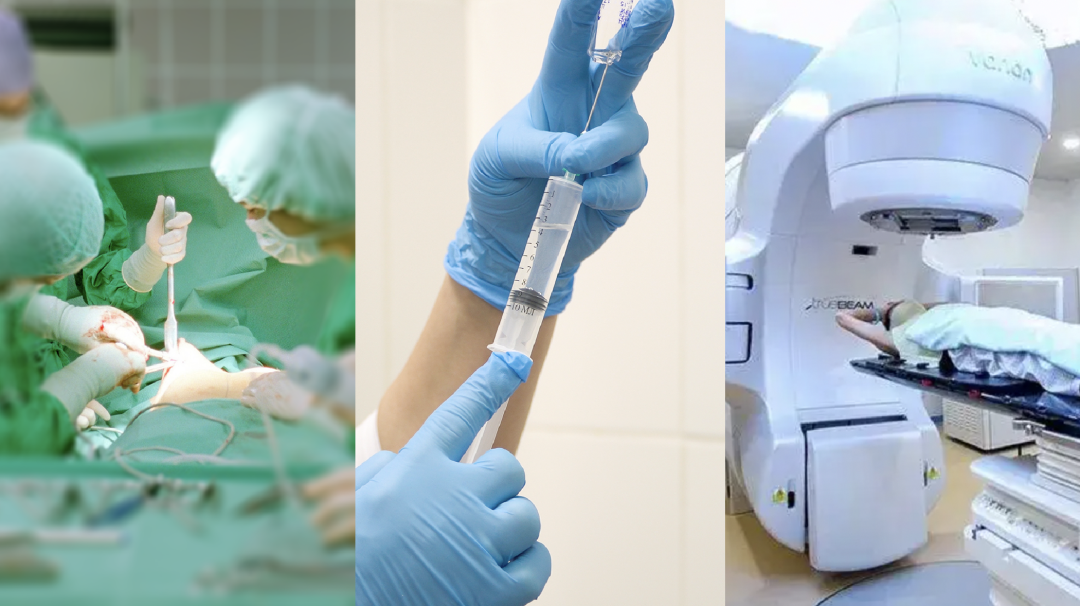
Currently, the treatment of bladder cancer primarily focuses on surgical intervention, especially for muscle-invasive bladder tumors. Clinically, radical cystectomy combined with pelvic lymph node dissection is commonly employed, supplemented by various treatment options such as radiotherapy and chemotherapy. This approach can effectively reduce the recurrence risk of bladder cancer patients and subsequently improve long-term survival rates. However, studies have indicated that 50% to 70% of patients still experience recurrence within 5 years after surgical treatment[1].

Click on the image to view past exciting content


References:
[1] Zhang Jinying. Prognostic factors affecting patients with bladder cancer after surgery [J]. Chinese Journal of Geriatrics, 2022, 42(04):830-833.

Address: Room 1101 (Unit 101), 11th Floor, Building 1, No. 7 Courtyard, Kexueyuan Road, Life Science Park, Changping District, Beijing
Phone:010-8265 9866
Email:lehemedneo@hotmail.com