About Lehe
乐于心,和与众,与己乐,与人和; 心宽念纯,百病无生。

乐于心,和与众,与己乐,与人和; 心宽念纯,百病无生。

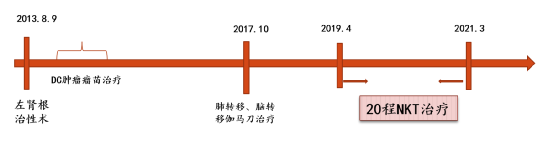
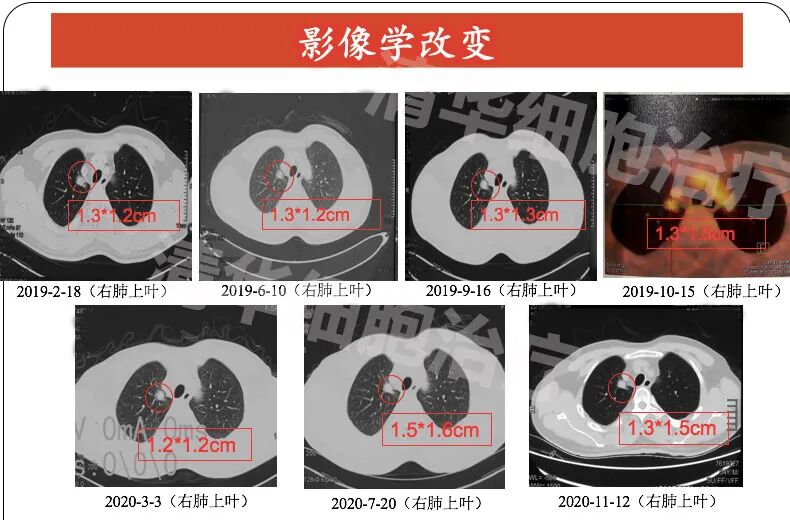
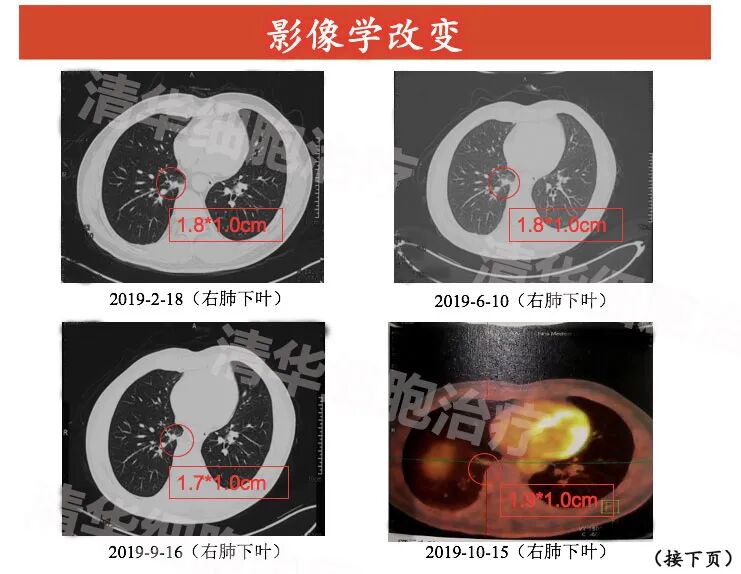
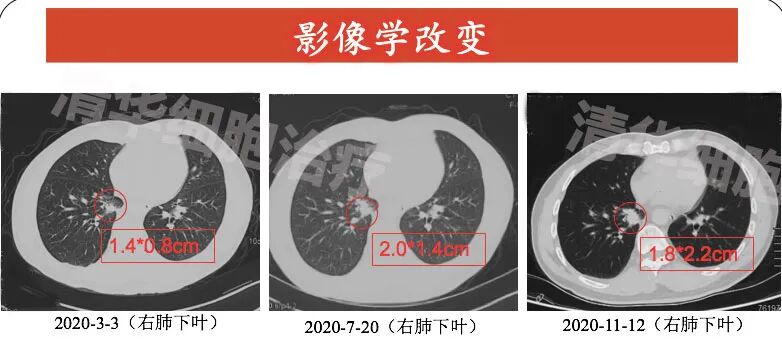
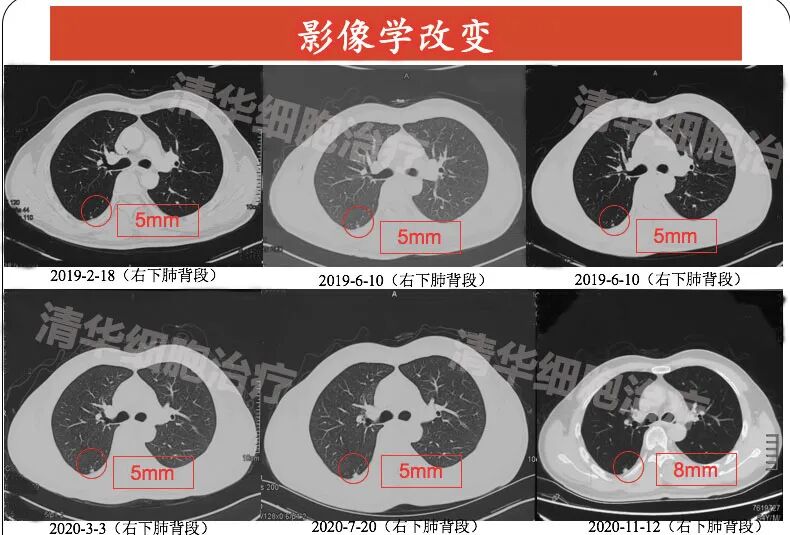
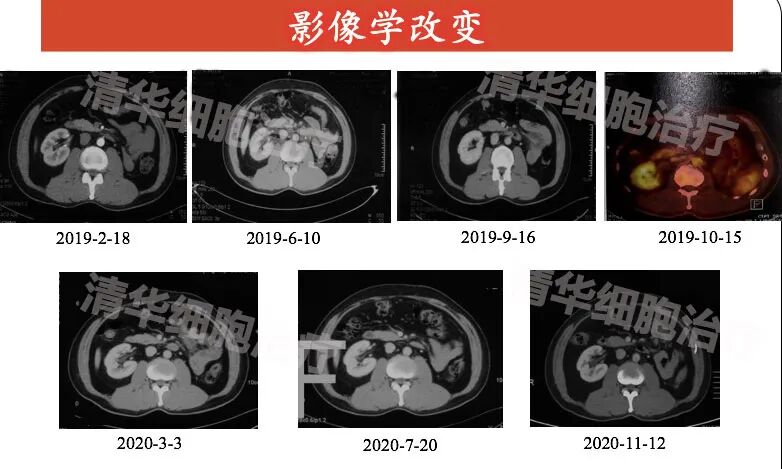
Kidney cancer has three main symptoms: hematuria, lumbago, and mass. Due to the deep anatomical location of the kidney, which is in the retroperitoneal space, kidney cancer is often asymptomatic in its early stages and lacks typical clinical manifestations. The treatment options for kidney cancer are relatively limited. Surgery is the mainstay, and it is not sensitive to radiotherapy or chemotherapy, with few targeted drug options available. Fortunately, immunotherapy has consistently shown promising results in treating kidney cancer. Mr. Chen, a patient who underwent NKT cell therapy for lung and brain metastases of kidney cancer in 2019, has now been two years. How is his current condition? For detailed information about Mr. Chen's first-stage assessment, please refer to the case analysis published in February 2020 regarding Mr. Chen's case (click on the blue text to jump to the analysis) When Mr. Chen discovered hematuria, the tumor had already reached 6.6*5.4cm. He underwent radical nephrectomy via abdomen in March 2013. Postoperative pathology indicated clear cell carcinoma of the left kidney, grade ǁ. After surgery, Mr. Chen chose autologous dendritic cell (DC) tumor vaccine therapy. The efficacy of immunotherapy was also demonstrated - for the next four years, Mr. Chen's condition remained stable without any new developments. However, in October 2017, PET-CT revealed multiple pulmonary metastases, with brain metastases also present, prompting immediate local treatment using the gamma knife. At this point, the choice of treatment method was quite challenging for the patient - the signs of metastatic lesions becoming active again were already quite evident. If chemotherapy or targeted drugs were used, although they might suppress disease progression, the side effects would be significant, causing considerable bodily damage, which the patient was resistant to; but if milder methods were chosen, there was concern about being unable to control the momentum of disease progression. The interval between the initial detection of the disease and the first occurrence of metastasis was four years, but only one and a half years passed before signs of tumor reactivation were detected for the second time. This phenomenon is also observed in the development of most tumors, where the time intervals between the first, second, and third recurrences and metastases become increasingly shorter after the initial recurrence and metastasis occurs. Therefore, NKT cell immunotherapy, which can both treat lung metastatic lesions and slow down disease progression, achieving long-term stability with minimal side effects, is an ideal approach. The patient underwent 17 consecutive courses of systemic treatment, 7 follow-up visits, and imaging examinations, showing no significant signs of tumor progression. ▲Lung imaging findings: Soft tissue nodules in the right upper lobe with no significant size changes from February 2019 to November 2020. The PET-CT image from October 2019 showed increased FDG uptake with an SUV value of 2.7, suggesting metastatic lesions, requiring close observation. ▲Lung imaging findings: Patchy increased density shadows in the right lower lobe with no significant size changes from February 2019 to July 2020. The follow-up examination in November 2020 showed slightly larger shadows compared to previous images. The PET-CT image from October 2019 showed slightly increased FDG uptake with an SUV value of 1.5, possibly indicating chronic inflammation, requiring close observation. Weight remains normal, physical strength and sleep have improved compared to before, and skin allergies have decreased. Quality of life is good. Mr. Chen has been undergoing NKT treatment for two years. Continuous follow-up has shown that the early signs of tumor activity have been suppressed, and no new lesions have appeared. As treatment progresses, we will continue to report on the control situation at this time next year. NKT Classic Case Review Click on the image to view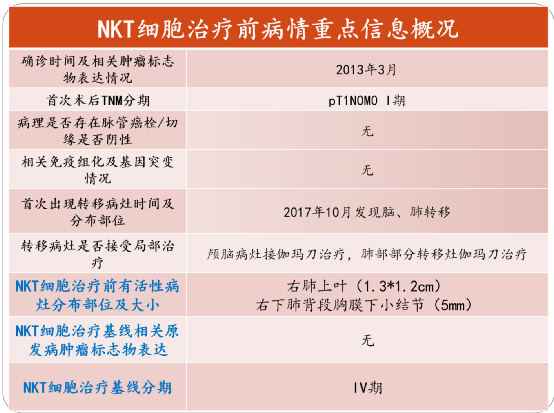



Address: Room 1101 (Unit 101), 11th Floor, Building 1, No. 7 Courtyard, Kexueyuan Road, Life Science Park, Changping District, Beijing
Phone:010-8265 9866
Email:lehemedneo@hotmail.com