Contact Us Careers
Hepatobiliary and Pancreatic Cancers

90% of liver cancers originate from it. When can the recurrent and metastatic liver cancer be stopped?

时间:2026-04-15 人气:
Click on the blue text in    to follow us


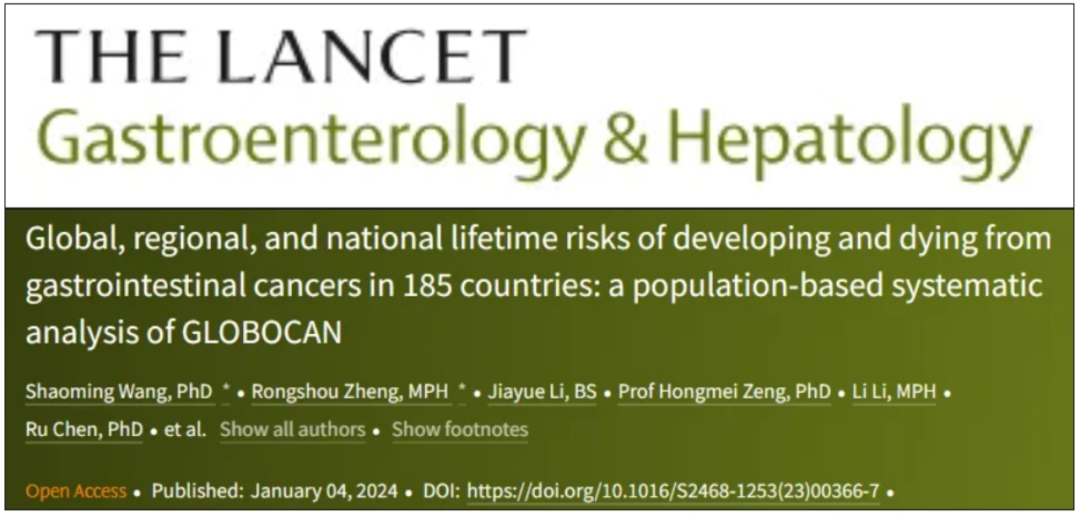
In a lifetime, one in every 12 individuals will develop digestive system cancer, and one in every 16 individuals will die from digestive system cancer. [1]      

This is a significant study published in "The Lancet Gastroenterology & Hepatology" by a research team from the National Cancer Center, the National Cancer Clinical Medicine Research Center, and the Cancer Hospital of Peking Union Medical College, Chinese Academy of Medical Sciences in 2024.

Liver cancer, the leading cause of death among digestive system cancers, is seriously affecting patients' survival.

     
On the one hand, liver cancer is often detected late, with about 70% to 80% of patients being at an advanced stage when discovered, thus missing the best treatment opportunity; on the other hand, liver cancer has a high recurrence rate, with an overall recurrence rate of 50% to 70% within 5 years after surgical resection, and patients with recurrent liver cancer have a very poor prognosis, with a 5-year survival rate of only 30% to 40%. [2]      


01              


DiseaseOverview

Overview of the illness


After liver cancer surgery, with 3 recurrences and metastases, when can it stop?            
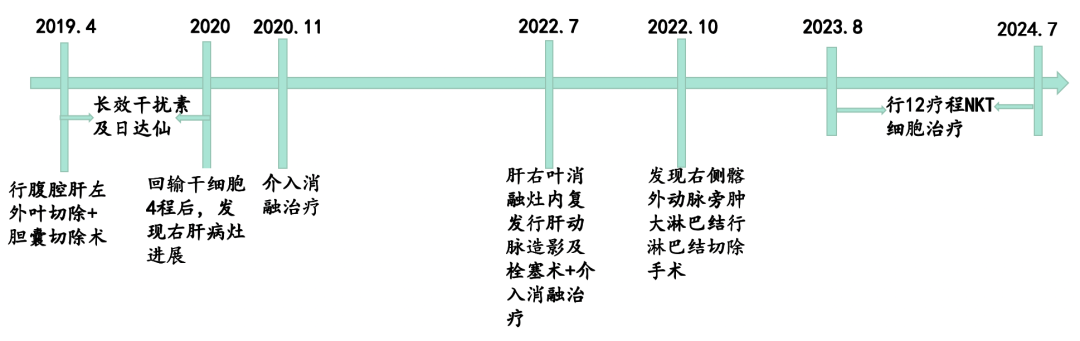
Mr. Ming is a patient with liver cancer. In March 2019, a physical examination revealed a 1.7*1.9cm lesion in the left liver and a 0.4*0.5cm lesion in the right liver, with the left liver lesion considered malignant. Therefore, in April, he underwent left lateral lobectomy of the liver combined with cholecystectomy.      

     
Postoperative pathology: hepatocellular carcinoma, moderately differentiated, Edmondson grade: III; tumor size 2X1.7X1.1cm, without involvement of the liver capsule; no cancer at the resection margin; surrounding liver tissue consistent with chronic viral hepatitis B G1, S3.      

     
Due to Mr. Ming's hepatitis B condition, considering the high recurrence characteristics of liver cancer and the adverse effects of hepatitis B on liver cancer, he received long-acting interferon and Zadaxin treatment after surgery.      


Disease Interpretation


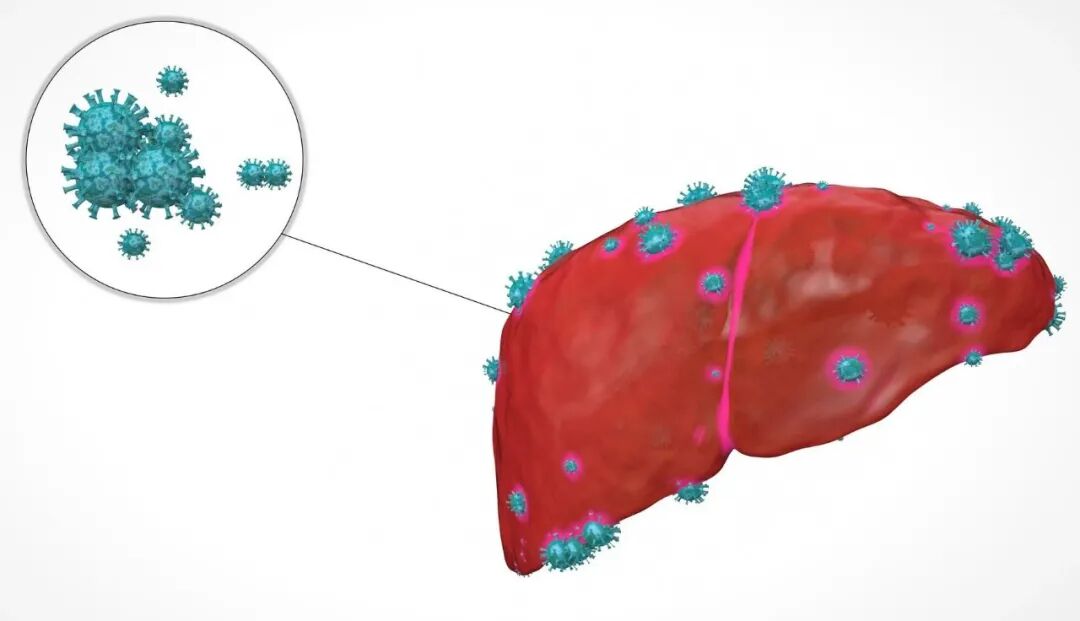
Clinically, about 90% of patients with liver cancer have a history of hepatitis B. The progression from hepatitis to liver cancer goes through the stages of acute hepatitis, chronic hepatitis, cirrhosis, and finally liver cancer. In China, chronic hepatitis B virus (HBV) infection is the primary cause of liver cancer. Therefore, for patients with hepatitis B-related liver cancer, antiviral treatment should be initiated after radical treatment, and interferon is the first-line anti-HBV treatment drug recommended by guidelines.            


Thymalfasin (Recombinant Human Thymosin Alpha 1) is a method to enhance immunity through thymic peptide preparations to prevent recurrence and metastasis.


02            


Imaging changes 

Imaging  changes            
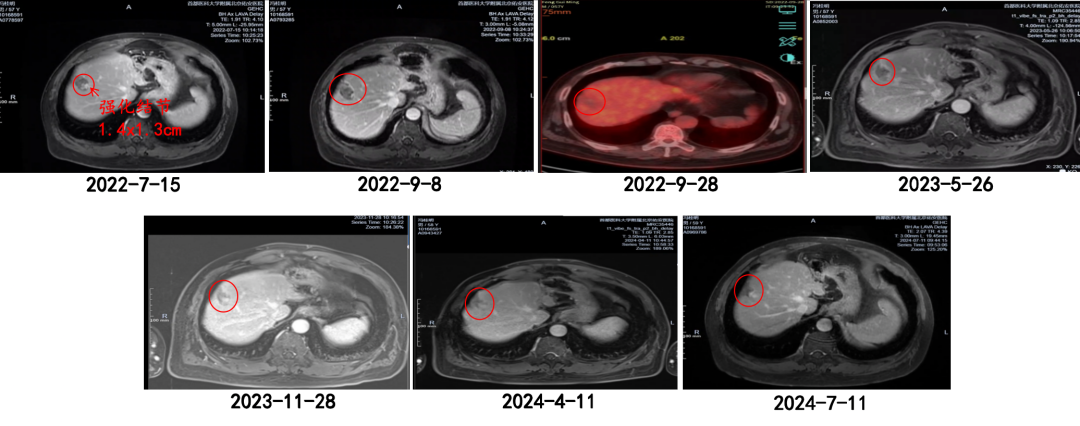
Mr. Ming never expected that just one year after his liver cancer surgery (in 2020), a follow-up examination revealed that the small lesion in his right liver had grown larger, and he underwent another interventional ablation treatment.      


Subsequently, in July 2022, an upper abdominal MRI revealed changes following the resection and interventional ablation of a liver lesion, with possible recurrence (an abnormal enhancing nodule approximately 14mm*13mm in size was observed within the ablation lesion in the right lobe of the liver).      


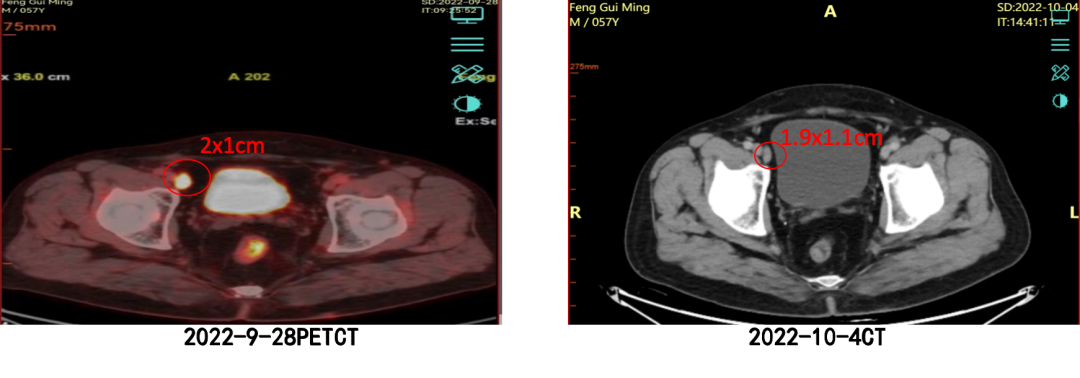
On October 4, 2022, pelvic CT scan revealed: 1. Enlarged lymph nodes adjacent to the right external iliac artery, measuring approximately 1.9cmx1.1cm in size. Considering the patient's medical history, metastasis is suspected.      

   
Three postoperative recurrences and metastases of liver cancer completely caused Mr. Ming to lose his treatment direction.      


Immune cell therapy presses the "stop button" for recurrence and metastasis            
After undergoing surgery for liver cancer, Mr. Ming was disheartened by the relentless recurrence and metastasis of the disease, as well as the repeated surgical treatments.... However, a patient in his support group regained hope through a treatment method, which was immune cell therapy.      

     
Both involve immune enhancement. What is the difference between the thymosin alpha 1 (Recombinant Human Thymosin Alpha 1) that Mr. Ming previously used and immune cell therapy?      

     
Overall, Thymalfasin (Recombinant Human Thymosin Alpha 1) exhibits a broader versatility (applicable to various diseases), whereas immune cell therapy is more targeted.


Thymosin drugs such as Zadaxinmainly exert effects in maintaining T-cell differentiation and development, and improving patients' immune function, playing an auxiliary and supportive role in tumor treatment. While immune cell therapy involves targeted amplification and reinfusion, capable of directly killing tumor cells, exerts an effect akin to that of a special forces in tumor treatment. The mechanisms and effects of these two approaches differ.      

     
After deciding to try immune cell therapy, it is also crucial for Mr. Ming to choose which type of immune cells to use.      

     
The vNKT immune cell subpopulation discovered by Zhang Minghui's team at Tsinghua University possesses both the non-specific recognition function of NK cells and the specific recognition function of CD8 T cells, allowing for more efficient killing of tumor cells. Additionally, it can also kill inhibitory immune cells (Myeloid-derived suppressor cells, MDSCs are a heterogeneous group of cells derived from the bone marrow, with the ability to significantly inhibit immune cell responses and negatively regulate immune responses.), regulate the microenvironment within cancer tissues, providing new hope for the treatment of solid tumors.      

     
In addition, vNKT cells are obtained by collecting immune cells from healthy individuals, cultured and expanded, and then infused back into patients, making it easier to achieve treatment.      

     
vNKT Immune cells are a better choice in terms of energy efficiency and treatment convenience.      


Thus, in August 2023, after a comprehensive disease assessment conducted by Professor Zhang Minghui's team, Mr. Ming began vNKT cell therapy.      

   
Considering Mr. Ming's multiple recurrences and metastases after liver cancer surgery, more effective follow-up treatment measures are required. The vNKT cell therapy adopts a reinfusion frequency of one course per month, with each session delivering 10 billion ± 15% of cells. The activated vNKT cells can effectively reduce the risk of recurrent and new tumors, both quantitatively and functionally, and reconstruct the immune microenvironment.      


As of November 1, 2024, Mr. Ming has completed 12 courses of vNKT cell therapy, and his liver cancer has entered a stable phase. No abnormalities were found in imaging and tumor markers, and there has been a good improvement in his mental state and quality of life.

     
04            


Conclusion and Review< H228>

Conclusion and Commentary            
Don't wait for recurrence and metastasis to know about immune cell therapy!
All tumor surgeries carry varying degrees of recurrence risk, and rebuilding the immune barrier has become a consensus among doctors to prevent cancer recurrence and metastasis. Immunocyte therapy provides a "shortcut" for immune restoration, offering patients long-term resistance to cancer cells.    


In addition to conventional treatments, cancer patients can undergo immune cell therapy in a timely manner based on their individual conditions. This approach not only helps eliminate micro-residuals and improve tumor cure rates but also reduces the side effects of chemotherapy and radiotherapy, thereby enhancing patients' quality of life. It has become the fourth major treatment option after surgery, radiotherapy, and chemotherapy.      


vNKT cell immunotherapy              


NKT cells (Natural killer T cells), are a special T cell subset with both T cell receptor (TCR) and NK cell receptor on their surface. They possess important characteristics of both NK cells and T cells, with the dual ability to recognize tumor cells nonspecifically and specifically, and can rapidly kill tumor cells. Among the NKT cell subsets, there is a larger and more potent special type of soldier discovered by the experimental team led by Professor Zhang Minghui of Tsinghua University, namely the vNKT (Variant Natural Killer T) cells.


The population of vNKT cells in the body is very small and they are not easily activated. However, once activated, they can defeat numerous tumor cells that may remain undetected in the body. Additionally, research has found that vNKT cells exhibit a dual anti-tumor effect. Not only can they directly kill cancer cells, but they also regulate the immune microenvironment within tumor tissues, killing inhibitory immune cells known as MDSCs, breaking tumor immune evasion, rebuilding the normal immune system, and further preventing recurrence and metastasis.

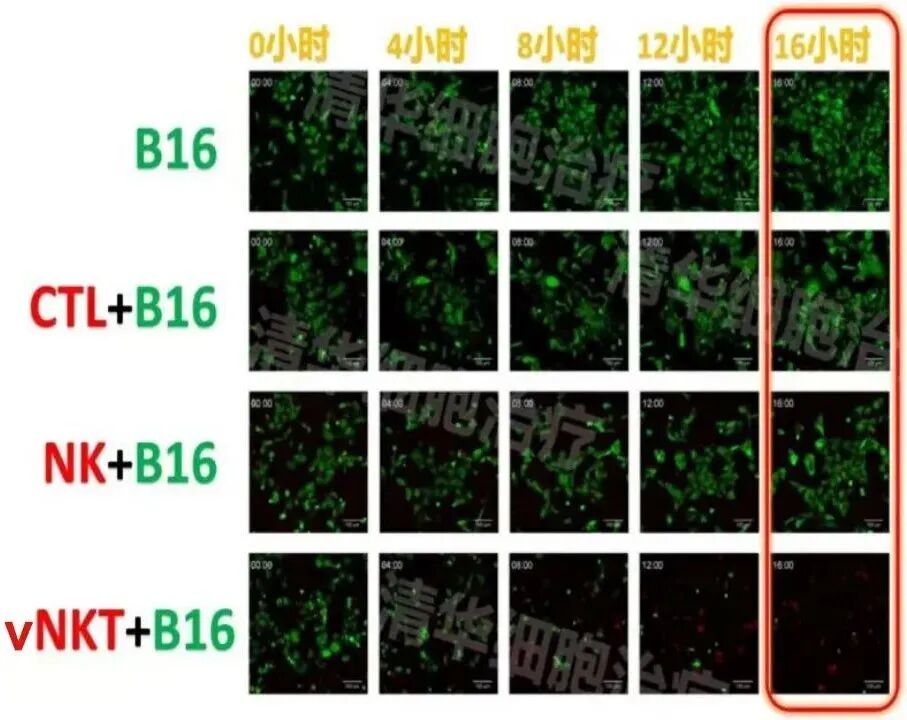
Experimental conditions: In the presence of vNKT cells, after 16 hours, nearly all B16 tumor cells were killed!



Zhang Minghui          

Founder of Lehe New Medicine


Professor Zhang Minghui, who holds a PhD in Immunology from Tsinghua University School of Medicine, has led a research team for over 20 years since the discovery of vNKT cells in 2002. They have accumulated experience in treating over 700 cases of solid tumors, covering almost all common solid tumors. The research results fully demonstrate the great value of vNKT cells in the treatment of solid tumors.



It is suitable for postoperative patients with high pathological malignancy or a risk of recurrence; patients whose tumors have been basically controlled but not cured through conventional treatments such as chemotherapy, radiotherapy, and targeted therapy; patients with persistent high carcinogenic factors; and patients intolerant to radiotherapy and chemotherapy. If these patients do not receive effective follow-up treatment after traditional anti-tumor therapy, recurrence, metastasis, or reoccurrence of tumors will be highly probable. In this case, vNKT cell therapy is an ideal follow-up treatment method that can significantly improve patient prognosis.



Lian
The system   
Me     
       

Scan QR code

Communicate with Professor Zhang Minghui's team


Reference source:
[1]https://www.thelancet.com/journals/langas/article/PIIS2468-1253(23)00366-7/fulltext#%20      
[2] Guidelines for Liver Cancer Screening in Chinese Population  (2022, Beijing)      


Written by: Zhang Tuo
Reviewed by: Qiao Jiacheng, Wang Ying, Gao Chen      
Edited/typeset by Zhang Jiao


Click on the image to view the exciting content from previous issues


Fairies are watching
Click on the upper right corner of the homepage · · · Set as Starred !