About Lehe
乐于心,和与众,与己乐,与人和; 心宽念纯,百病无生。


乐于心,和与众,与己乐,与人和; 心宽念纯,百病无生。


If you find it difficult to understand the subsequent professional descriptions, you can quickly read through this text within two minutes.
 Exciting! How was it achieved that the pancreatic cancer has not recurred or metastasized in nearly five years? ) 1. We have followed this case for a year and discovered a new approach to combat pancreatic cancer, 2. "The king of all cancers," pancreatic cancer, is not untreatable! With proper treatment, long-term survival is possible ) , and the results in the third year remain remarkably stable! No signs of recurrence or metastasis have been observed!
 Disease Overview
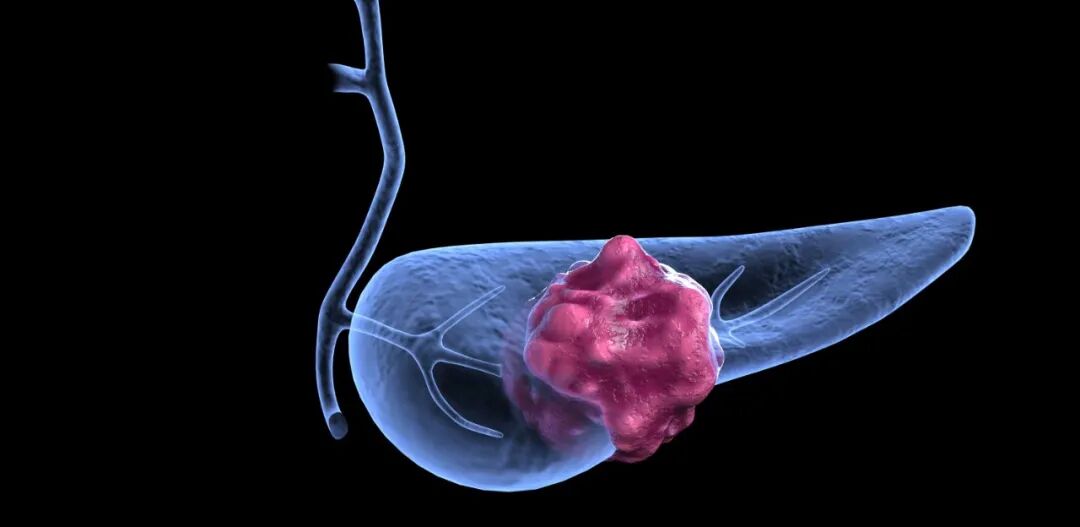
►Malignant tumors often exhibit irregularities in imaging manifestations, with unclear boundaries and surrounding tissue demarcation, and some masses have spiculated edges. In contrast, benign lesions typically have clear edges and regular shapes. Imaging examinations have attracted the attention of doctors, who perform puncture biopsy. Pathology reveals poorly differentiated cancer infiltration. Poorly differentiated is a pathological classification of cells indicating a potentially poor prognosis. The lower the degree of differentiation, the closer the tumor cells are to stem cells and the greater the difference from normal cells. The division ability is also stronger, with stronger mutation ability, self-repair ability, and resistance to chemotherapy and radiotherapy.
►Pancreatic cancer is a malignant tumor that is difficult to detect early in clinical practice, often presenting with metastasis at the time of diagnosis (currently, the early diagnosis rate of pancreatic cancer worldwide is only 5%), and has a very poor prognosis. Therefore, it is also known as the "king of cancers". According to epidemiological studies, there are 95,000 new cases of pancreatic cancer nationwide each year, with 85,000 deaths. The 3-year survival rate for patients after surgery is 21.1%[1], and postoperative chemotherapy can improve it by 8% [2]; The 5-year survival rate for pancreatic cancer patients in China is only 6%, and it is estimated that by 2030, pancreatic cancer will become the second leading cause of cancer-related deaths globally.
After reviewing Mrs. Li's medical records, Professor Zhang Minghui made the following analysis and judgment:
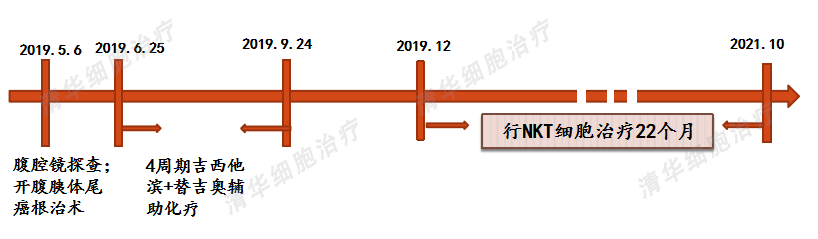
Image aspect
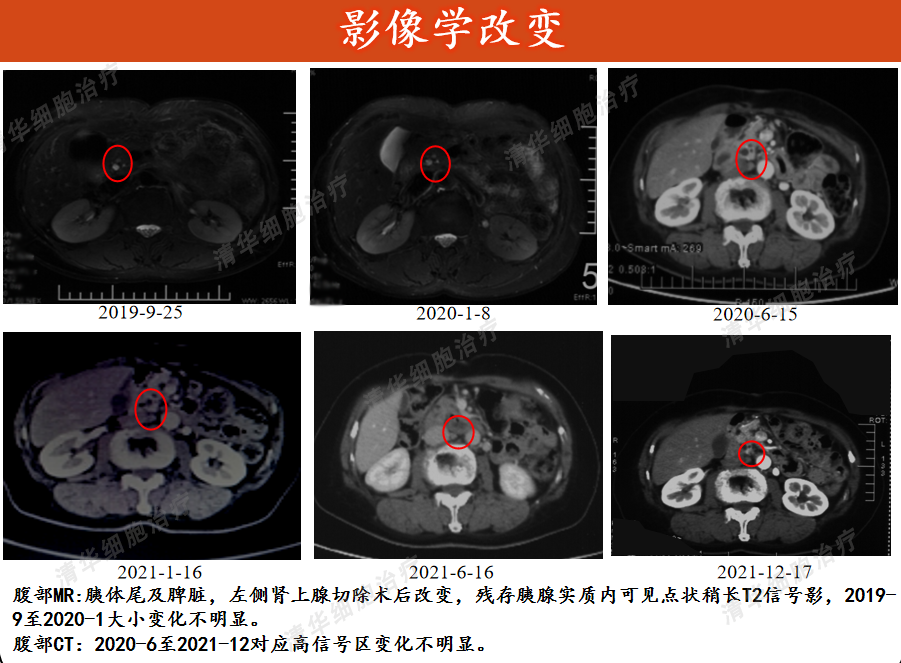
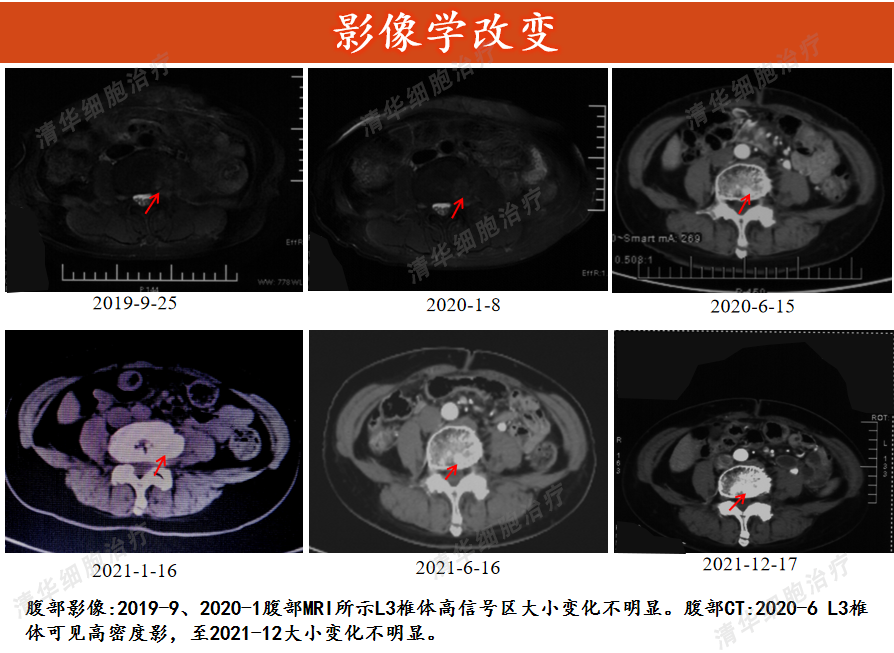
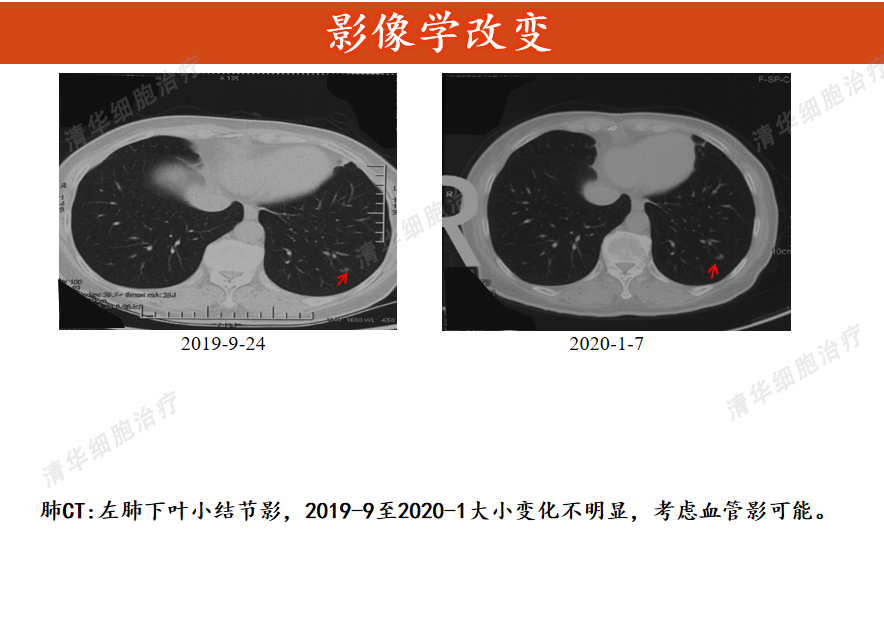
Imaging: Abdominal CT reexamination on December 2021 showed no clear signs of tumor recurrence or metastasis. Follow-up examination revealed mild enlargement of lymph nodes between the abdominal aorta and inferior vena cava, with no significant changes from September 2019 to December 2021; on June 16, 2021 (coronal view), suspicious lymph node enlargement was observed above and below the retroperitoneal aortic fossa, measuring approximately 9*5mm, not excluding normal structures. Reexamination on December 17, 2021 showed no significant changes.
Tumor markers
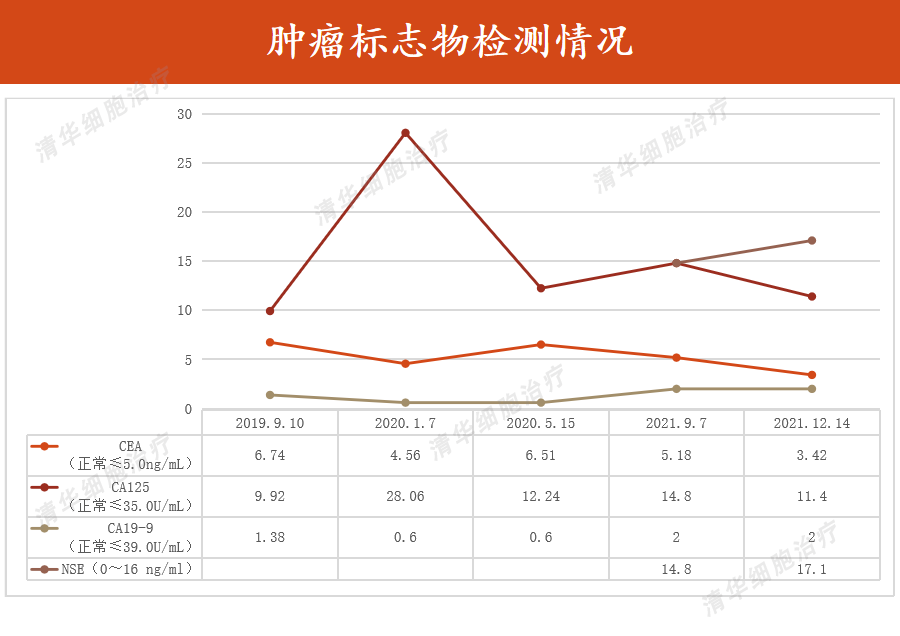
Tumor markers: CEA showed intermittent mild elevation from September 2019 to September 2021, and returned to normal range during a follow-up examination in December 2021; CA125 and CA19-9 were within normal range; NSE was slightly higher than normal in December 2021, with regular follow-up examinations recommended.
Quality of Life
Conclusion Discussion
[1] Jin Gang, Shao Zhuo, Hu Xiangui, Zhang Yijie, Liu Rui, Zhou Yingqi, Shao Chenghao, He Tianlin, Li Gang, Jing Wei, Song Bin. Analysis of the efficacy and prognosis of surgical operations in 2061 cases of pancreatic cancer [J]. Chinese Journal of Pancreatology, 2013(01):1-4.
[2] Zeng Weiwei, Zhang Xianquan. Meta-analysis of the long-term efficacy of adjuvant chemotherapy and surgery alone for pancreatic cancer [J]. China Clinical Oncology, 2011, 38(21):1346-1350.
Popular science knowledge is provided for reference only. For individual patients, clinical treatment should be followed.
NKT Classic Case Review
Click on the image
to view
Address: Room 1101 (Unit 101), 11th Floor, Building 1, No. 7 Courtyard, Kexueyuan Road, Life Science Park, Changping District, Beijing
Phone:010-8265 9866
Email:lehemedneo@hotmail.com