About Lehe
乐于心,和与众,与己乐,与人和; 心宽念纯,百病无生。


乐于心,和与众,与己乐,与人和; 心宽念纯,百病无生。


"It's been completely removed, why is it still metastasizing?"
This is the heart-wrenching question asked by countless cancer patients after experiencing recurrence and metastasis. Ms. Wang also went through such a process. In 2020, she was diagnosed with lung cancer due to a cough. After successfully completing surgery and chemotherapy, Ms. Wang thought everything had settled down. However, one and a half years after the surgery, she developed abdominal metastasis. Having gone through the ordeal of two major surgeries and chemotherapy, she once despaired.
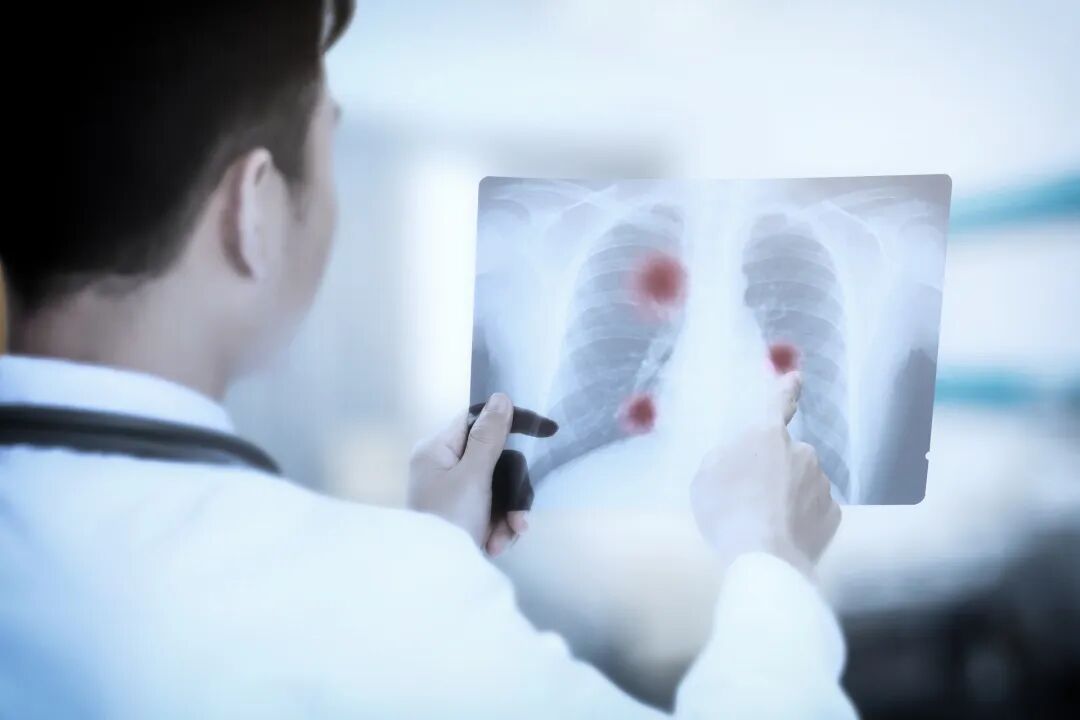
Overview of the illness
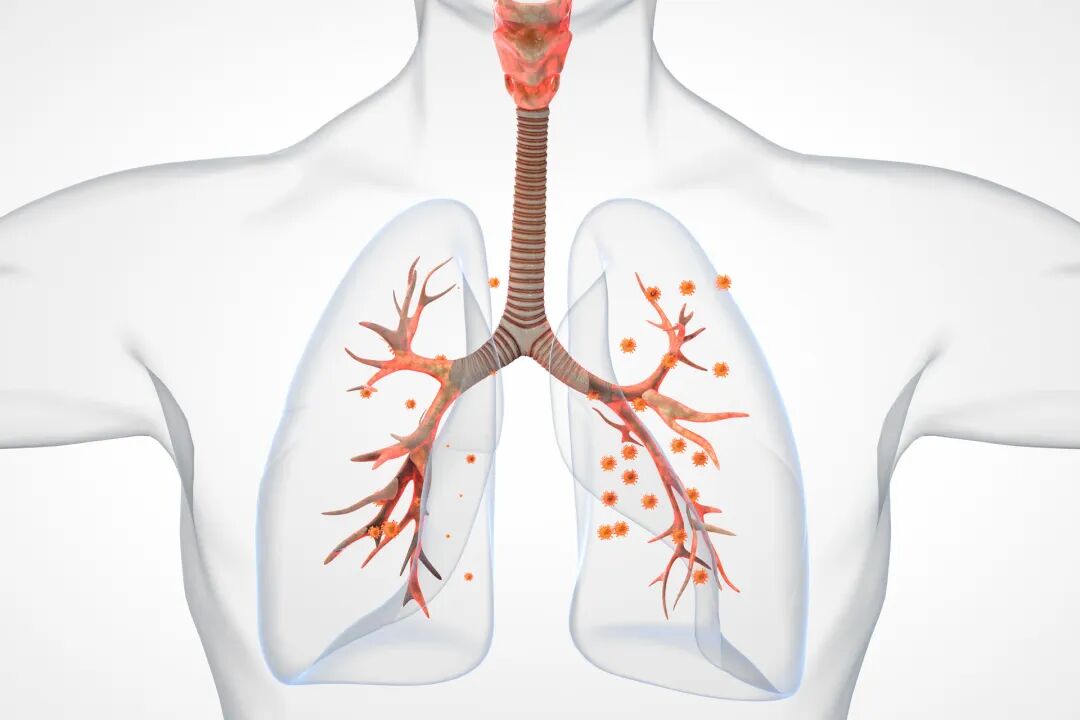
After abdominal cavity metastasis, Ms. Wang learned about Professor Zhang Minghui's vNKT cell immunotherapy at Tsinghua University through a patient support group. After evaluation, the Lehe New Medical team provided the following second diagnosis and treatment recommendations:
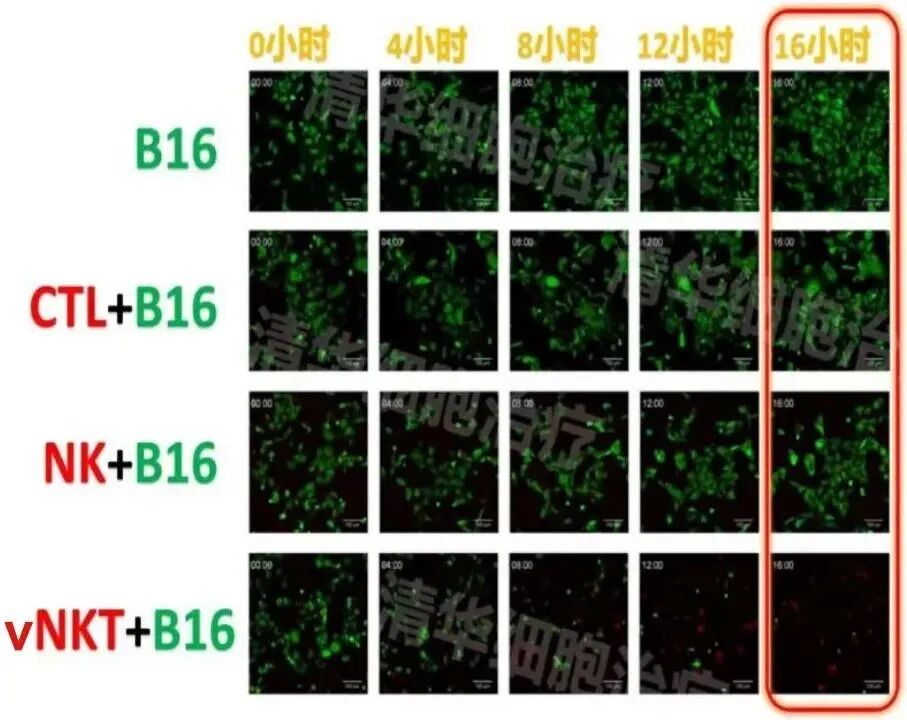
Experimental conditions: In the presence of vNKT cells, after 16 hours, nearly all B16 tumor cells were killed!
Imaging changes
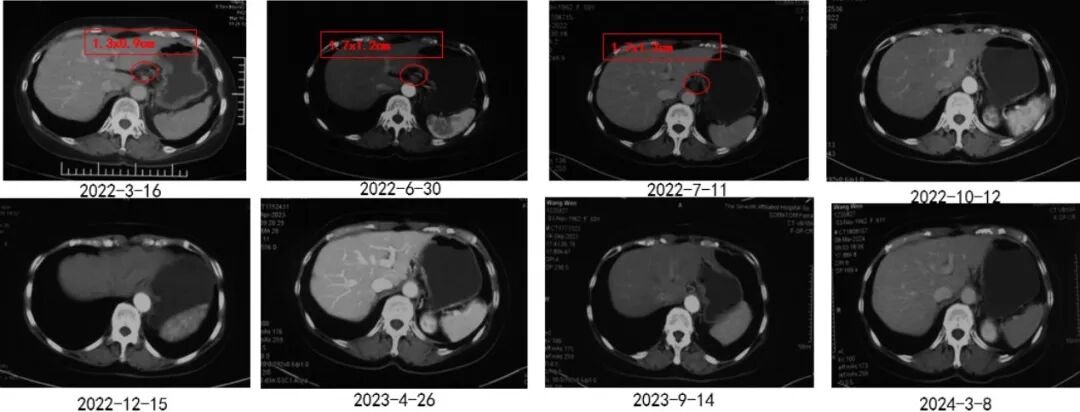
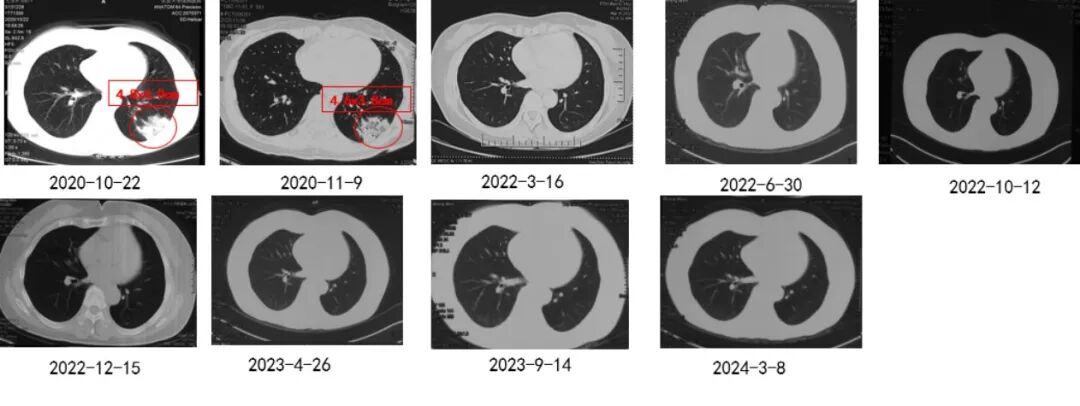
The chest CT scan on October 22, 2020 showed a mass-like consolidation shadow with streaks in the left lower lung (4.8x4.0cm);
Conclusion and Review< H83>
Professor Zhang Minghui pointed out that the best time for Ms. Wang to receive vNKT treatment is after her first surgery. At this time, the tumor burden is at its lowest, but the lymphocytes (such as vNKT and CD8+ T cells) in the blood are significantly reduced due to surgery and chemotherapy, causing the immune system to be in a "paralyzed" state. Cancer cells that have broken through into the blood and lymphatic systems take the opportunity to metastasize. If Ms. Wang receives timely treatment after her first surgery, she can reduce the risk of recurrence and avoid a second surgery.

Add Lehe and Little Assistant, join the Lehe Patient and Friend Group
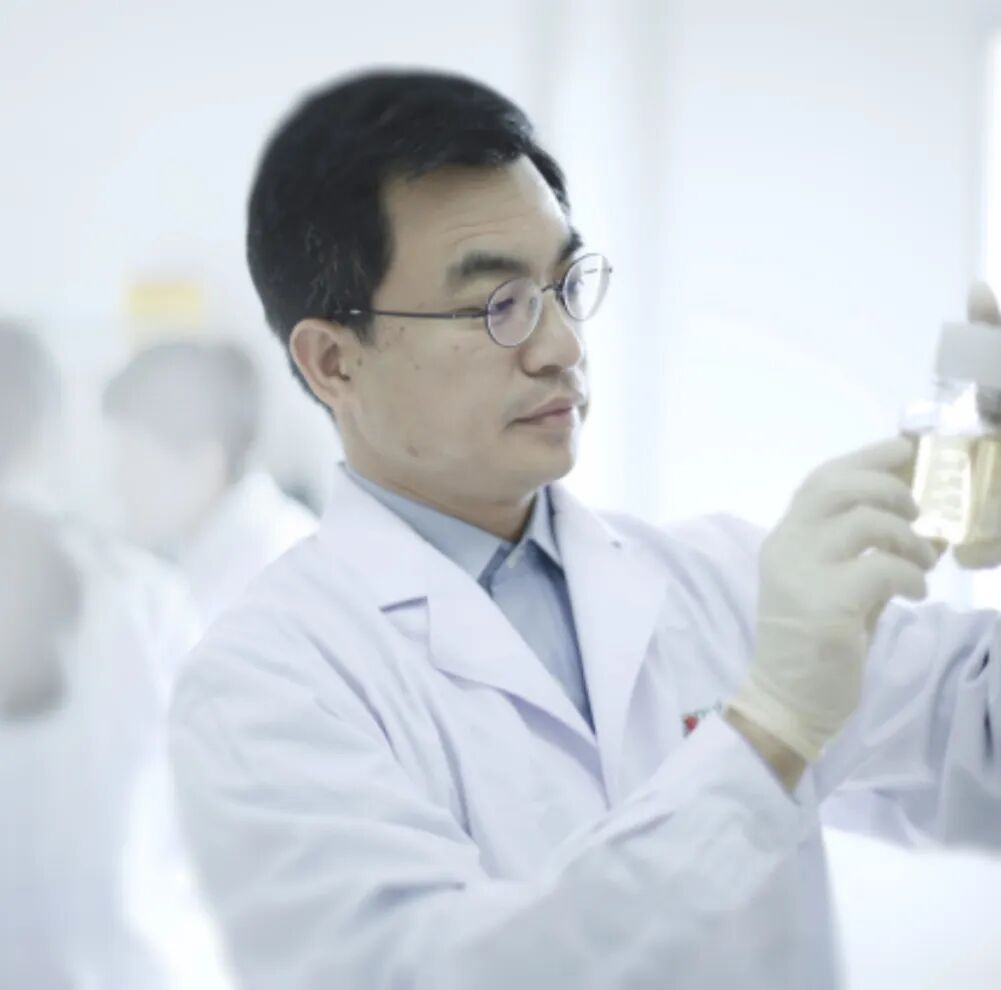
Founder of Lehe New Medicine
Professor Zhang Minghui, who holds a PhD in Immunology from Tsinghua University School of Medicine, has led a research team for over 20 years since the discovery of vNKT cells in 2002. They have accumulated treatment experience in over 700 cases of solid tumors, covering almost all common solid tumors. The research results fully demonstrate the great value of vNKT cells in the treatment of solid tumors.
It is suitable for post-operative patients with high pathological malignancy or a risk of recurrence; patients whose tumors have been basically controlled but not cured through conventional treatments such as chemotherapy, radiotherapy, and targeted therapy; patients with persistent high carcinogenic factors; and patients intolerant to radiotherapy and chemotherapy. If these patients do not receive effective follow-up treatment after traditional anti-tumor therapy, recurrence, metastasis, or reoccurrence of tumors will be highly probable. In this case, vNKT cell therapy is an ideal follow-up treatment method that can significantly improve patient prognosis.
Click on the image to view past exciting content




Address: Room 1101 (Unit 101), 11th Floor, Building 1, No. 7 Courtyard, Kexueyuan Road, Life Science Park, Changping District, Beijing
Phone:010-8265 9866
Email:lehemedneo@hotmail.com