Contact Us Careers
Lung Cancer

How can lung cancer patients overcome the survival dilemma? The solution has been found ..

时间:2026-04-15 人气:
Click on the blue text in    to follow us


In China, 80% of lung cancer patients have a survival period that rarely exceeds one year:

     
Patients with stage I lung cancer who undergo standard treatment after surgery have a 5-year survival rate of up to 80%,

         
The 5-year survival rate for patients with stage II lung cancer after surgery is approximately 40% or so,

     
Stage III lung cancer is locally advanced lung cancer. For patients who are still eligible for surgery, the 5-year survival rate is 30%. For patients who are not eligible for surgery, the 5-year survival rate is around 15% when treated with traditional chemotherapy and radiotherapy;

         
Stage IV lung cancer is already in its late stage, with a 5-year survival rate of only 5%.          


01              


Disease Overview              

Overview of the illness


Ms. Fu was diagnosed with lung cancer at the BC Cancer Agency in Vancouver in 2018. In April of the same year, she underwent a wedge resection of the left lower lobe nodule, a resection of the left lower pulmonary ligament lymph nodes, and a resection of the left lower lobe.

Postoperative pathology revealed: (left lower lobe) adenocarcinoma, well-differentiated, 0.7cm, initial postoperative TNM staging: T1NOMO stage I.      

     
Ms. Fu has always been perplexed as to how she could have developed lung cancer, given that she neither smokes nor is exposed to second-hand smoke. In fact, we can glean some insights from her postoperative pathology.      

     
Lung cancer is mainly divided into small cell lung cancer and non-small cell lung cancer. Among non-small cell lung cancers, there are mainly squamous cell carcinoma and adenocarcinoma.

     
In the past, lung cancer was mainly squamous cell carcinoma, and the affected population was mainly male. The primary cause was related to smoking, whether active smoking or passive exposure to second-hand smoke. Data surveys have shown that about 70% of Chinese people are exposed to second-hand smoke each year, resulting in approximately 60,000 deaths from lung cancer.      


Currently, lung cancer is predominantly adenocarcinoma, affecting younger age groups, with an increasing number of female patients. Studies have found a strong correlation between the high incidence of lung adenocarcinoma and ambient air pollution. In China, the incidence of lung cancer is particularly high among women aged 40 to 59, likely due to indoor air pollution, primarily from smoke and dust generated by household combustion, heating, or cooking. Especially when it comes to cooking, compared to other cooking methods, Chinese cuisine often leads to the evaporation of oil, especially during high-temperature frying. Long-term exposure to high-temperature cooking fumes increases the risk of lung cancer by 2 to 3 times. [1]      


Women and non-smokers are becoming the new high-risk group for lung cancer in China. [2]      

     
Fortunately, although Ms. Fu was diagnosed with lung cancer, due to early detection, the primary tumor burden was removed through surgery in stage I. After surgery, she received systemic treatment and the 5-year survival rate can reach 80%.      

     
What is systemic therapy? Faced with the treatment gap after lung cancer surgery, Ms. Fu began to feel lost again. It was not until her postoperative follow-up examination revealed multiple pulmonary nodules, including ground-glass nodules, that she could no longer sit still.      

     
Systemic treatment, many cancer patients' treatment plans are incomplete            
Cancer is a systemic disease, and treatment is not a localized approach of "treating the head when the head hurts, treating the foot when the foot hurts". It requires staying ahead of cancer cells and cutting off the paths of recurrence and metastasis in advance. Surgery, chemotherapy, and radiotherapy have solved most of the problems related to tumors, but the small portion of cancer cells that can evade conventional treatment methods are often more cunning. The majority of future recurrences and metastases often originate from these cancer cells.

   
The key step of removing residual cancer cellsis often overlooked by many cancer patients during treatment, leading to incomplete treatment.    
It sounds simple to accomplish this step: enhancing the body's immune surveillance ability and relying on immune cells to eliminate remaining cancer cells. However, it is difficult to achieve in practice. Cancer patients have poor immunity to begin with, and after multiple rounds of treatment, it is challenging for them to enhance their immunity on their own. It would be ideal if we could directly recruit "reinforcements" to our bodies to eliminate cancer cells.      

   
Cellular immunotherapy, also known as adoptive immunotherapy, involves activating various types of immune cells in vitro and then reinfusing them back into the human body. This approach leverages external forces to rebuild the immune barrier and enhance immunity.      

   
Ms. Fu has consulted a lot of information and has high expectations for curing lung cancer through cellular immunotherapy. After comparing several major immune cells on the market, including NK (natural killer cells), CTL (cytotoxic T lymphocytes), DC (dendritic cells), TIL (tumor-infiltrating lymphocytes), NKT cells, and v-NKT (variable NKT cells), she ultimately chose v-NKT cells, which have obvious advantages, for immunotherapy.      


vNKT cell immunotherapy              


NKT cells (Natural killer T cells), are a special T cell subset with both T cell receptor (TCR) and NK cell receptor on their surface. They possess the important characteristics of both NK cells and T cells, with the dual ability to recognize tumor cells nonspecifically and specifically, and can rapidly kill tumor cells. Among the NKT cell subsets, there is a larger and more potent special type of soldier, which was discovered by the experimental team led by Professor Zhang Minghui of Tsinghua University, namely vNKT (Variant Natural Killer T) cells.


The population of vNKT cells in the body is very small and they are not easily activated. However, once activated, they can effectively eliminate tumor cells that may remain undetected in the body. Additionally, research has found that vNKT cells exhibit dual anti-tumor effects. Not only can they directly kill cancer cells, but they can also regulate the immune microenvironment within tumor tissues, kill inhibitory immune cells (MDSCs), break down tumor immune evasion, rebuild the normal immune system, and further prevent recurrence and metastasis.              

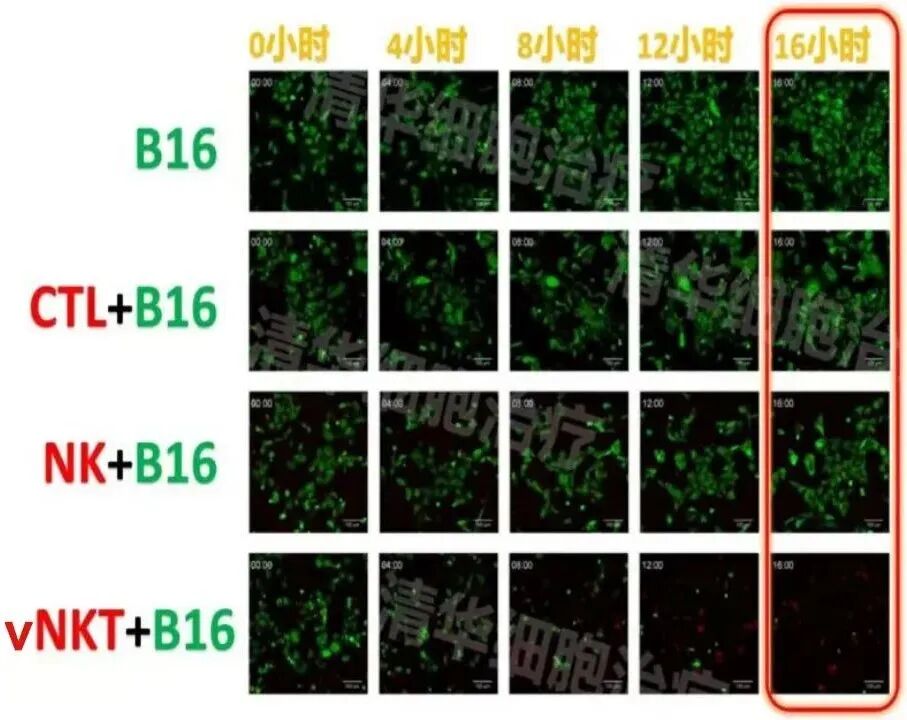
Experimental conditions: In the presence of vNKT cells, after 16 hours, nearly all B16 tumor cells were killed!
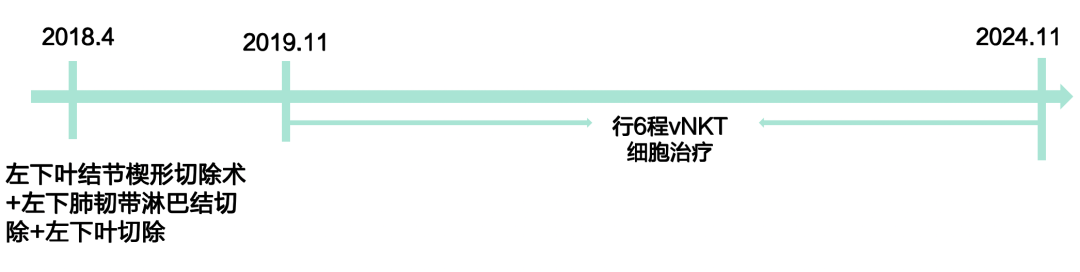

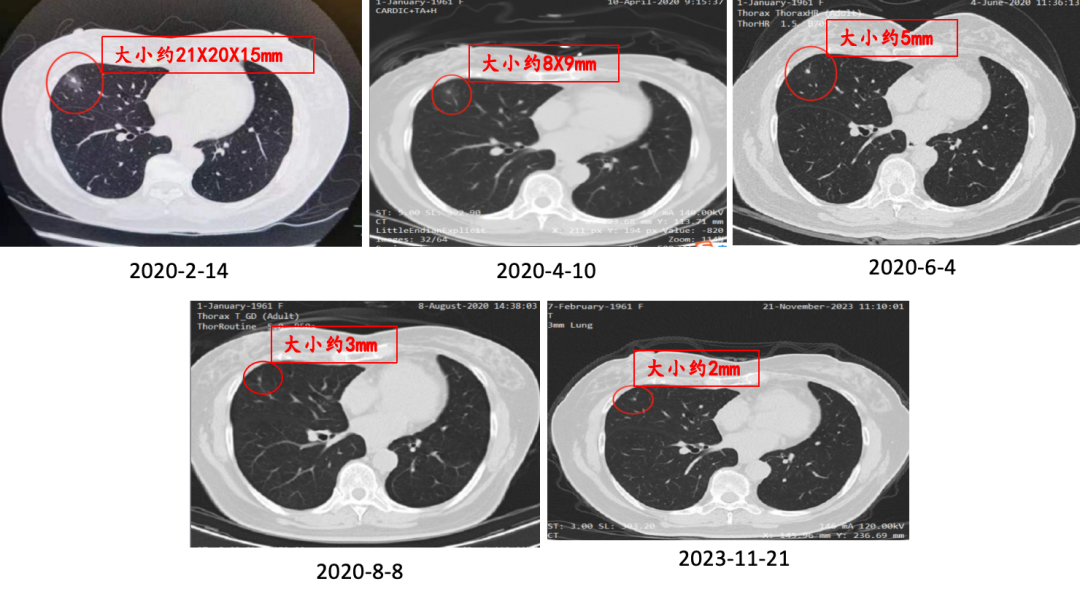
Professor Zhang Minghui's Lehexin Medical team conducted a comprehensive assessment of Ms. Fu's condition and proposed an individualized vNKT cell immunotherapy regimen. In November 2019, Ms. Fu began her first vNKT cell infusion. By November 2024, after six courses of intermittent treatment, her condition remained stable with no signs of local recurrence, successfully achieving a 5-year clinical cure. During this period, a mixed ground-glass density nodule measuring 21X20X15mm in the right middle lobe of the lung, discovered by chest CT in February 2020, gradually shrank to 2mm in subsequent follow-up examinations.        


02              


Imaging changes 

Imaging  changes

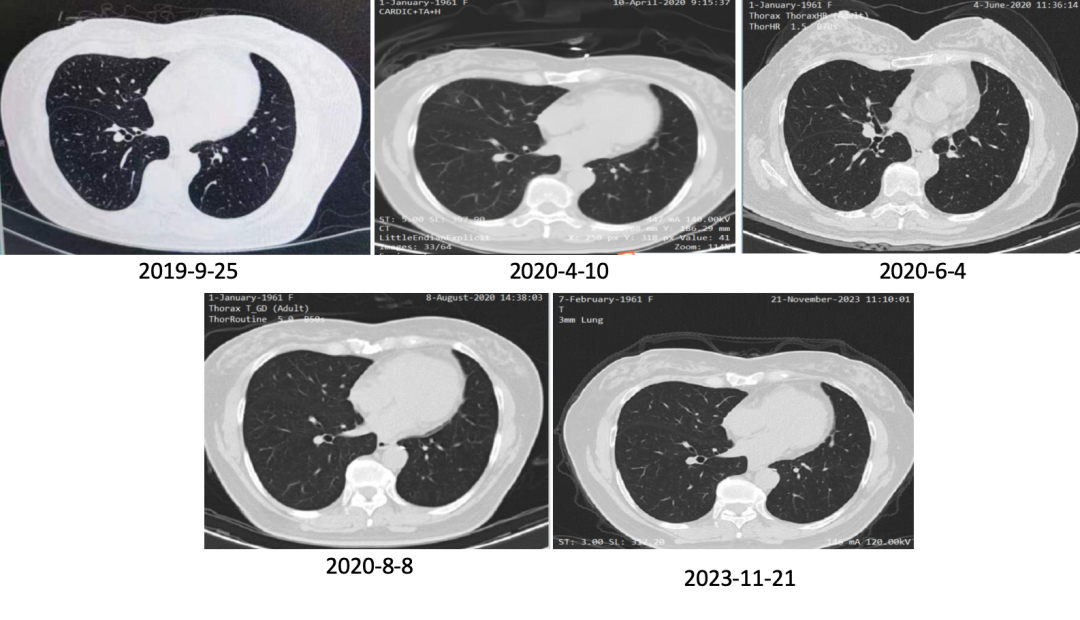
Chest imaging: Chest CT from September 2019 to November 2023 showed postoperative changes in the left lower lobe, with no signs of local recurrence.        


Chest imaging: Chest CT scan in 2020-2 showed a mixed ground-glass density nodule in the right lung middle lobe, measuring approximately 21X20X15mm; a follow-up examination in 2020-4 revealed a significant reduction in the nodule size to approximately 8X9mm, suggesting an inflammatory lesion; subsequent follow-up examinations from 2020-6 to 2023-11 showed a gradual shrinkage of the nodule to 2mm.
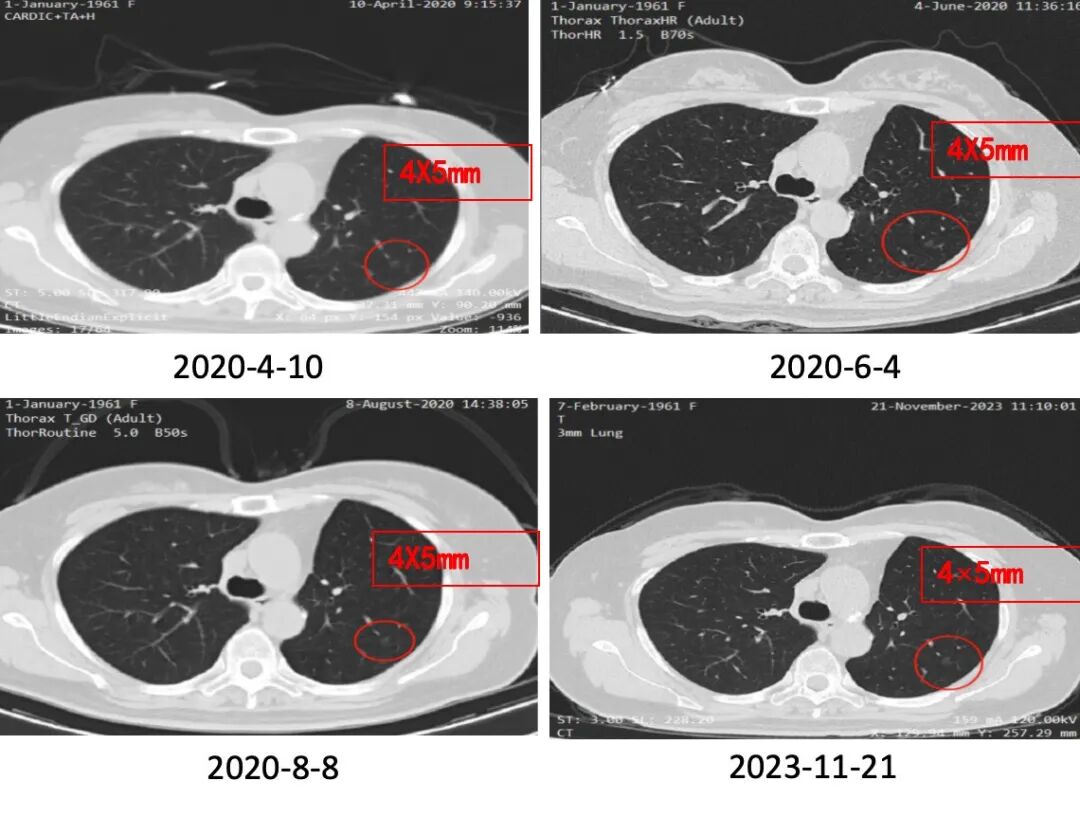


Chest imaging: Chest CT scan in April 2020 revealed a ground-glass nodule in the left upper lung, measuring approximately 4X5mm; follow-up examinations from June 2020 to November 2023 showed no changes from the previous findings.


04


Conclusion and Review< H276>

Conclusion and Commentary            

80% of lung cancer patients have a survival period that rarely exceeds one year. The earlier it is detected, the more room for treatment there is, the more treatment options are available, and the higher the probability of cure.
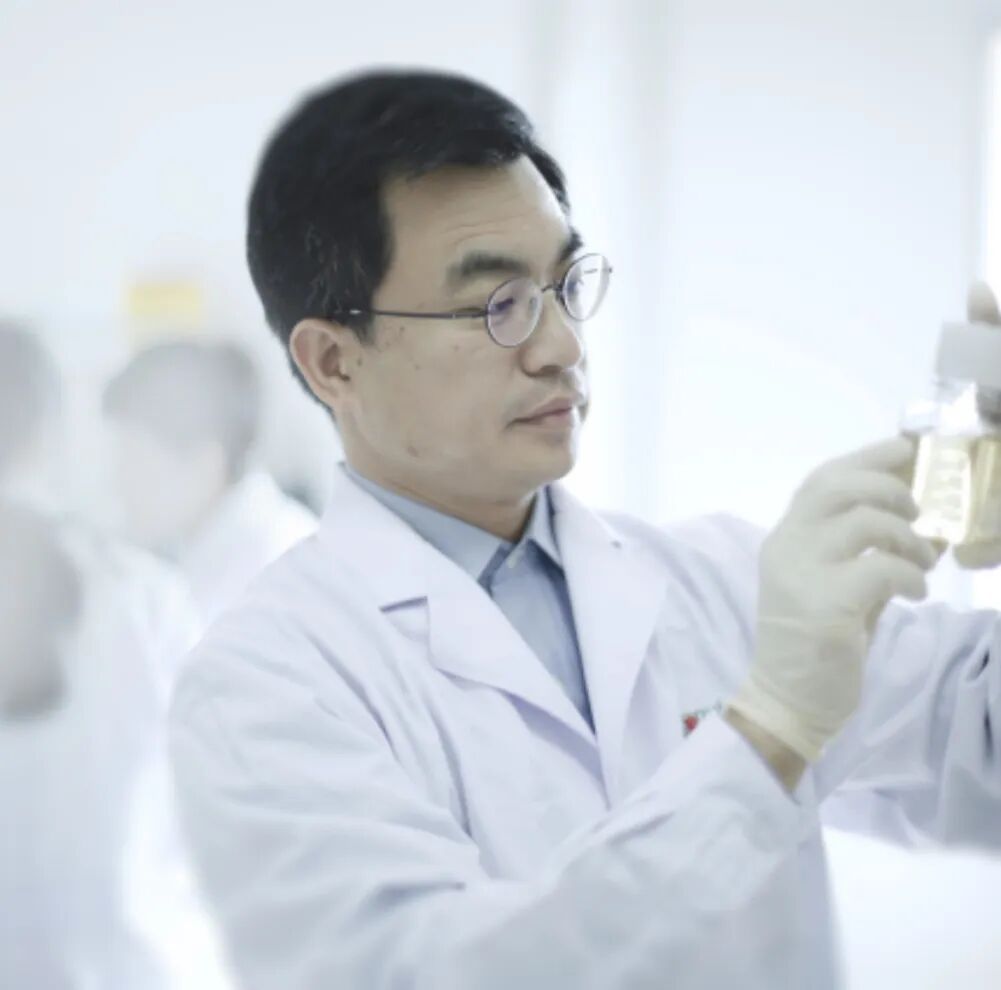
     
For high-risk groups:


Long-term smokers or passive smokers,
Individuals with long-term exposure to indoor coal smoke or oil fume pollution,
family history of lung cancer, etc.,
You must take the initiative to undergo screening after the age of 50,
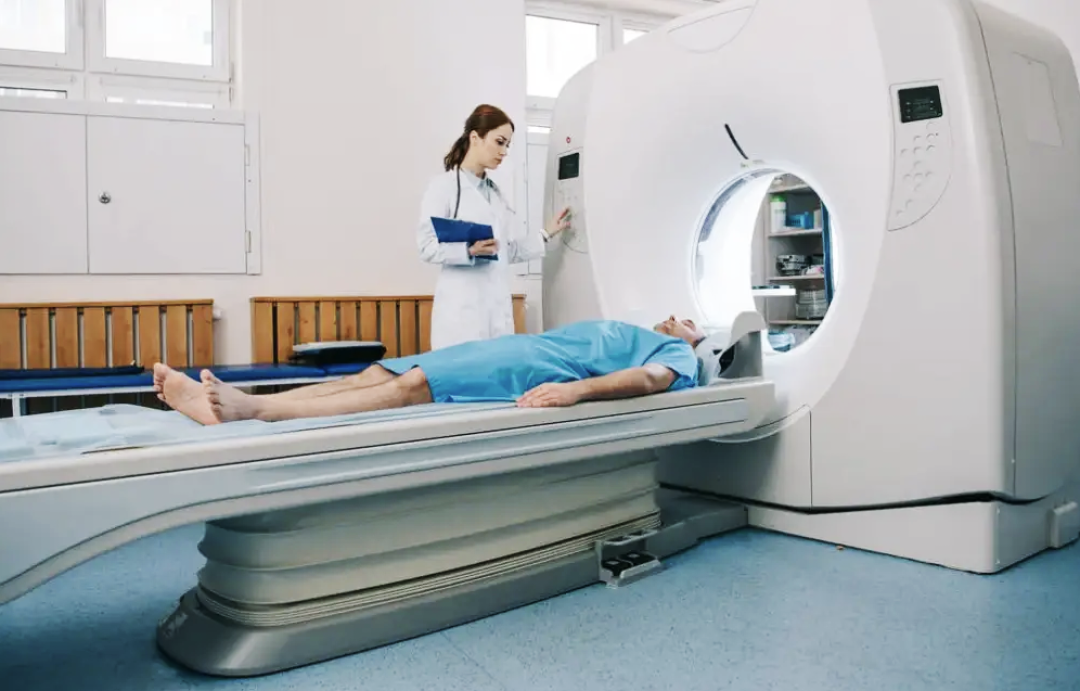
Perform low-dose spiral CT examination of the lungs.      


Reference source:      
[1]Li C, Lei S, Ding L, Xu Y, Wu X, Wang H, Zhang Z, Gao T, Zhang Y, Li L. Global burden and trends of lung cancer incidence and mortality. Chin Med J (Engl). 2023 Mar 28. doi: 10.1097/CM9.0000000000002529. Epub ahead of print. PMID: 37027426.      
[2] Chen Haiquan, "Basic and Clinical Research on Individualized Surgical Treatment for Early Non-Small Cell Lung Cancer"


Zhang Minghui

Founder of Lehe New Medicine


Professor Zhang Minghui, with a PhD in Immunology from Tsinghua University School of Medicine, has led a research team for over 20 years since the discovery of vNKT cells in 2002. They have accumulated experience in treating over 700 cases of solid tumors, covering almost all common solid tumors. The research results fully demonstrate the great value of vNKT cells in the treatment of solid tumors.
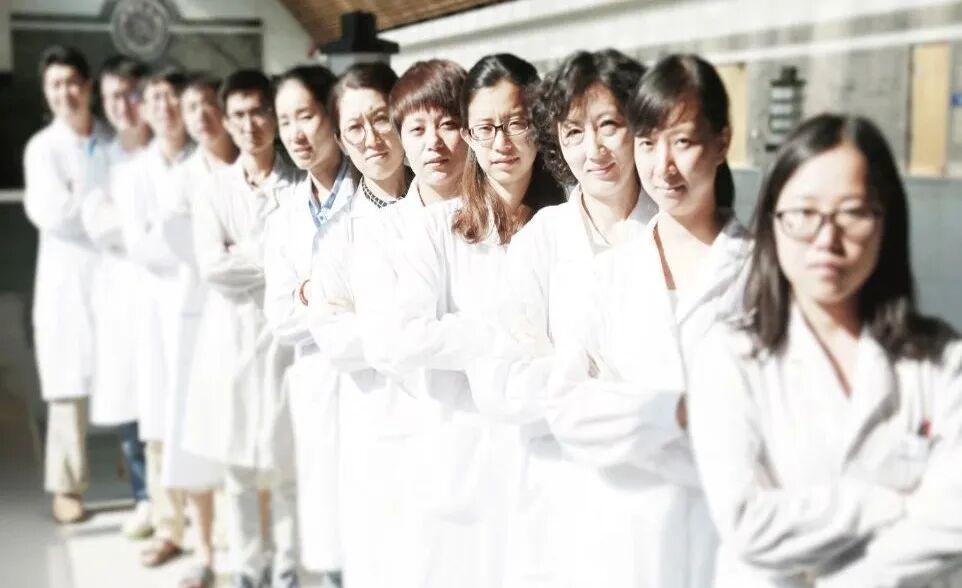


It is suitable for postoperative patients with high pathological malignancy or a risk of recurrence; patients whose tumors have been basically controlled but not cured through conventional treatments such as chemotherapy, radiotherapy, and targeted therapy; patients with persistent high carcinogenic factors; and patients intolerant to radiotherapy and chemotherapy. If these patients do not receive effective follow-up treatment after traditional anti-tumor therapy, recurrence, metastasis, or tumor reoccurrence will be highly probable. In this case, vNKT cell therapy is an ideal follow-up treatment method, which can significantly improve the prognosis of patients.



Union        
Department
I
       

Scan QR code

Communicate with Professor Zhang Minghui's team


Contributed by: Zhang Tuo
Reviewed by: Qiao Jiacheng, Wang Ying, Gao Chen      
Edited/typeset by Zhang Jiao


Click on the image to view the exciting content from previous issues


What the fairies are watching              
Click on the upper right corner of the homepage... Set as Starred!