About Lehe
乐于心,和与众,与己乐,与人和; 心宽念纯,百病无生。


乐于心,和与众,与己乐,与人和; 心宽念纯,百病无生。


If you can't understand the subsequent professional descriptions, just take two minutes to read through this text
Disease Overview
In January 2020, Mr. Zhao underwent a nasopharyngeal endoscopy and was suspected to have nasopharyngeal cancer. Later, he was diagnosed with the disease through enhanced CT and pathological biopsy (pathological results are unknown).
Unlike most tumors, nasopharyngeal cancer is relatively sensitive to radiotherapy due to its specific location. Therefore, radiotherapy is usually the preferred treatment option rather than surgery. Following his doctor's advice, Mr. Zhao opted for chemotherapy combined with radiotherapy instead of surgery. Chemotherapy is a systemic treatment that can cause significant harm to the body. After two courses of chemotherapy in February 2020, Mr. Zhao began the radiotherapy combined with chemotherapy regimen. By April 2020, he had undergone 33 rounds of radiotherapy and two rounds of chemotherapy.
Knowledge
Nasopharyngeal carcinoma (NPC) is one of the most common head and neck malignancies, exhibiting a significant familial aggregation and geographical concentration, particularly prevalent in the Guangdong and Guangxi regions. In addition to genetic factors, infection with the Epstein-Barr virus (EBV) is also a contributing factor to NPC, and it has been proven that EBV is associated with the development of various tumors.
The early symptoms of NPC are not obvious. Common symptoms include: (1) bloody nasal discharge upon inhalation, which refers to blood in the phlegm or nasal discharge after blowing the nose. (2) Tinnitus and hearing loss: NPC often occurs in the lateral wall of the nasopharynx, and tumor compression of the Eustachian tube can cause unilateral tinnitus. (3) Headache: Headaches are a common symptom, with variable locations and atypical pain, which may not be taken seriously.
The pathological types of NPC mainly include keratinizing squamous cell carcinoma and non-keratinizing carcinoma. Keratinizing squamous cell carcinoma, also known as squamous cell carcinoma (this type is more common), is further subdivided into well-differentiated, moderately differentiated, and poorly differentiated types. Non-keratinizing carcinoma, also known as lymphoepithelial carcinoma in some cases, can be divided into differentiated types (including spindle cell non-keratinizing carcinoma) and undifferentiated types (also known as nasopharyngeal undifferentiated carcinoma).
The treatment of NPC differs from that of most tumors, with chemotherapy being the preferred treatment option. This is because NPC is mostly poorly differentiated, with high sensitivity to radiation, and radiotherapy rays can easily cover the lesion and lymphatic drainage areas of NPC. Surgical treatment is usually used for highly differentiated NPC that is not sensitive to radiotherapy, as well as for recurrent and localized lesions after radiotherapy.
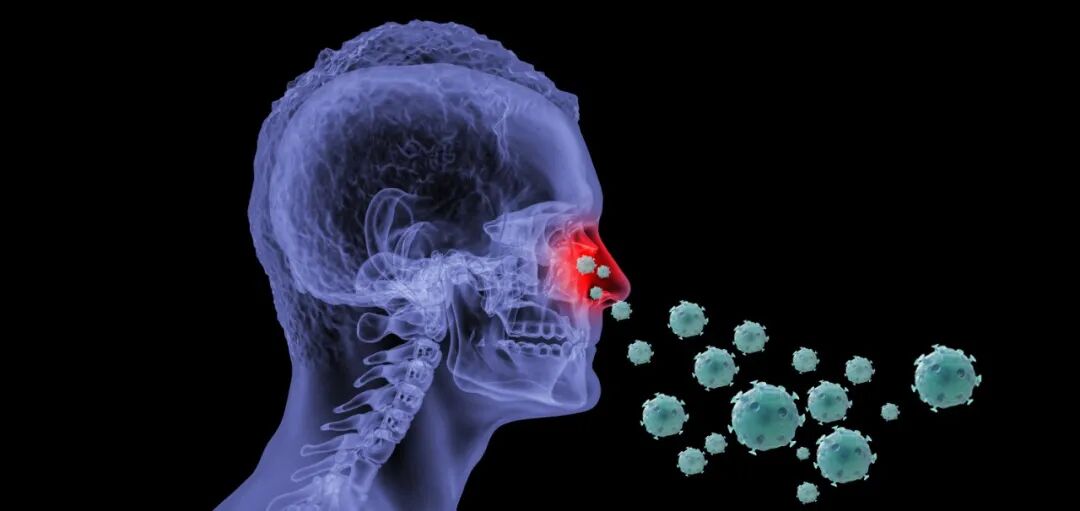
Despite undergoing radiotherapy and chemotherapy for the lesion, there is still a risk of tumor recurrence and metastasis without additional intervention. After completing traditional treatment, Mr. Zhao and his family sought the help of Professor Zhang Minghui's team at Tsinghua University School of Medicine. After learning about the demonstrated cases of NKT cell therapy, they hoped to reduce the risk of future metastasis and recurrence.
After reviewing Mr. Zhao's medical records, Professor Zhang Minghui made the following analysis and judgment:
1. Patients who have completed conventional radiotherapy still face the risk of metastatic recurrence. Some undetected tumor cells may metastasize through blood vessels and lymphatic vessels, which are difficult to detect in the early stages.
2. Nasopharyngeal cancer often metastasizes to cervical lymph nodes through lymphatic vessels and to lungs and bones through blood vessels. NKT cell therapy has a strong protective effect on lymph nodes and organs with rich blood supply.
3. NKT therapy utilizes powerful immune cells to eliminate tumor cells that may remain undetected in the body, with essentially no side effects, making it very friendly to patients. After completing radical radiotherapy, combining it with NKT cells can effectively reduce the risk of metastatic recurrence.
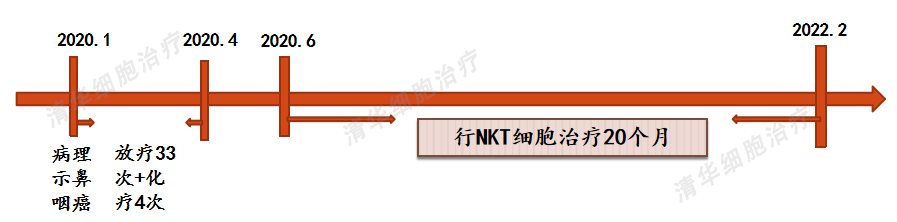
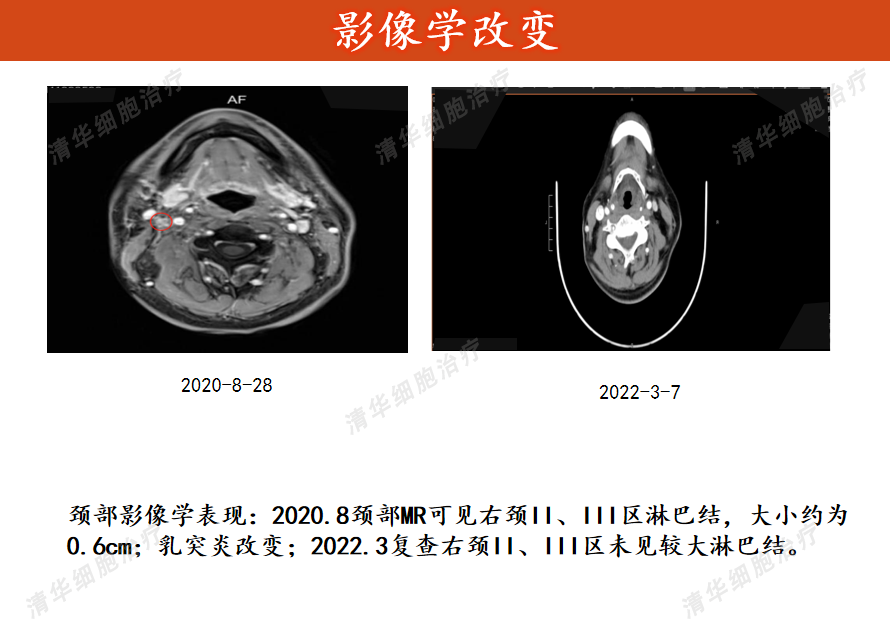
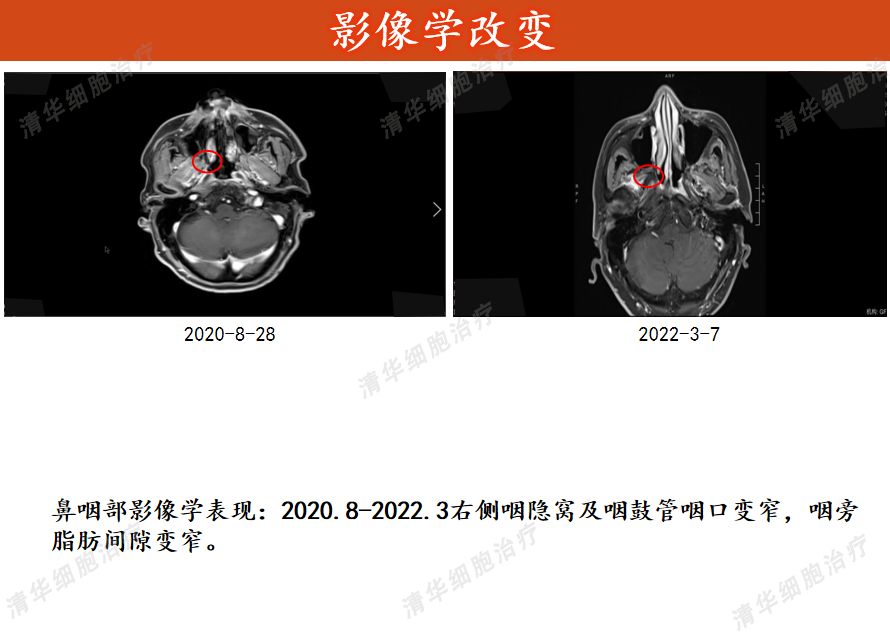
Image aspect
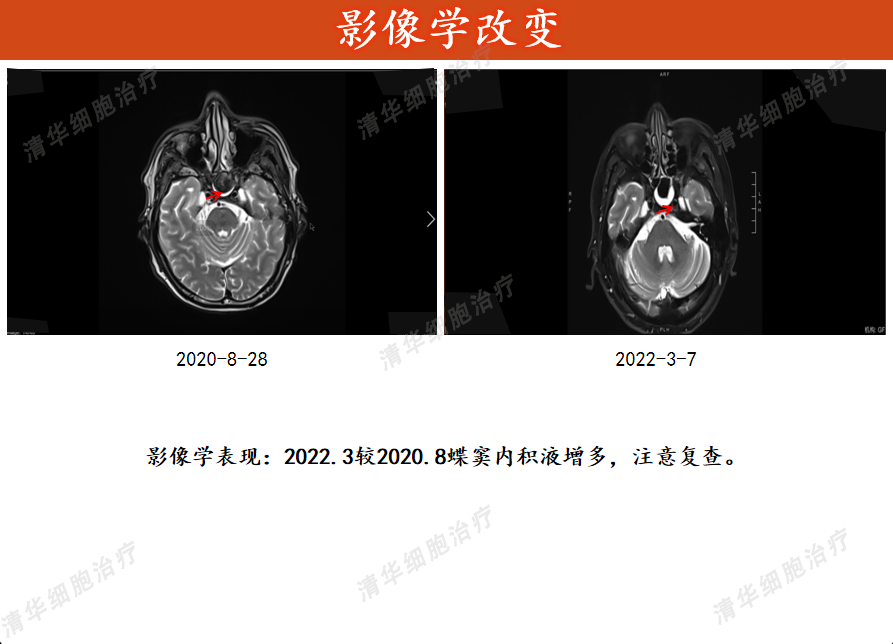
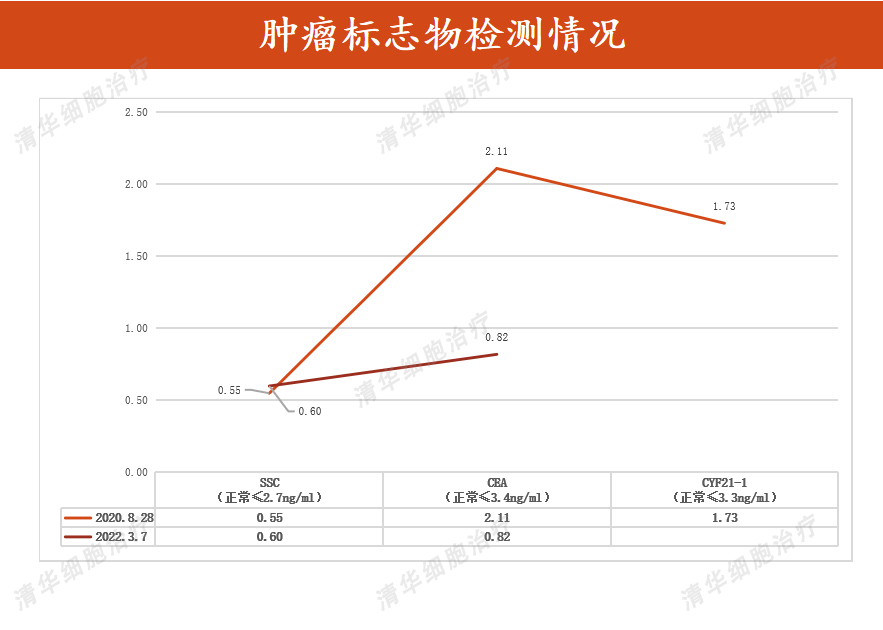
Tumor markers
Quality of Life
Conclusion Discussion
Mr. Zhao achieved the expected results after adopting the NKT cell therapy method. Over the nearly 2 years of treatment, multiple assessments showed stable conditions, and the latest assessment still showed no progression.
to view
Address: Room 1101 (Unit 101), 11th Floor, Building 1, No. 7 Courtyard, Kexueyuan Road, Life Science Park, Changping District, Beijing
Phone:010-8265 9866
Email:lehemedneo@hotmail.com